
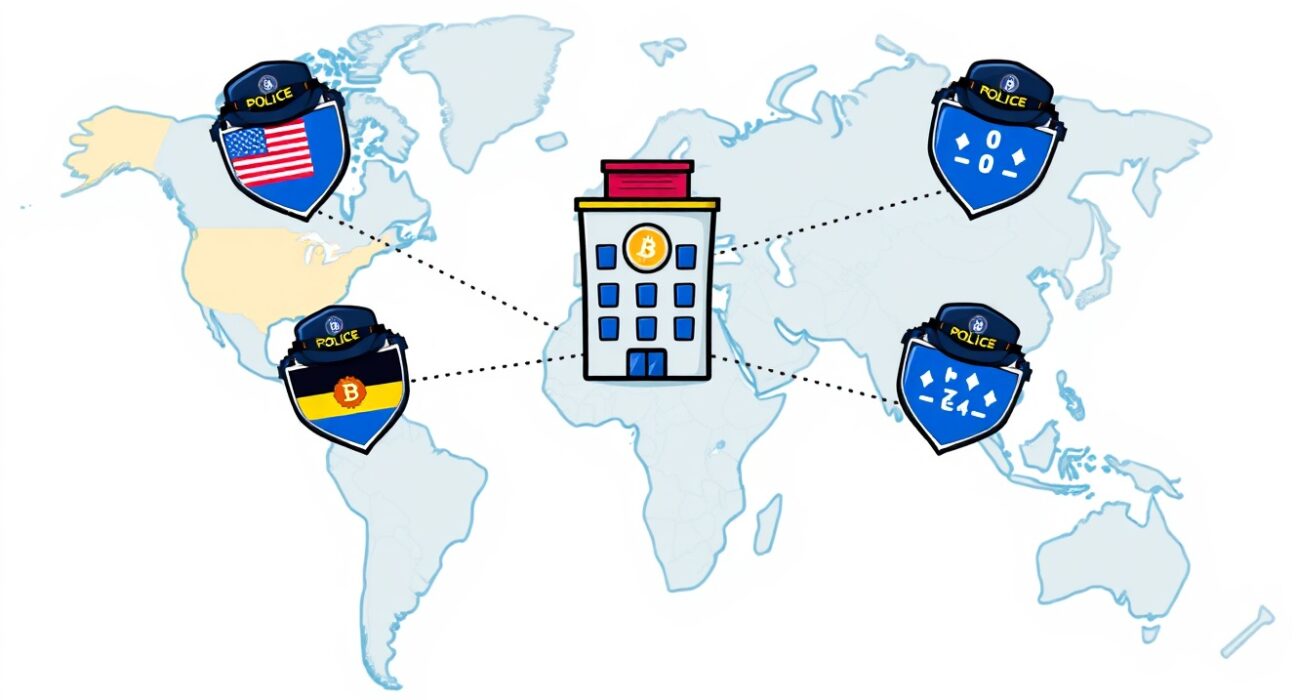
Have you ever wondered how often governments ask cryptocurrency exchanges for user data? The latest figures are in, and they paint a clear picture of escalating regulatory scrutiny. According to its 2025 transparency report, Coinbase law enforcement requests jumped by a significant 19% year-over-year. This surge highlights the growing intersection between the digital asset space and traditional legal frameworks.
What Do the Latest Coinbase Law Enforcement Request Numbers Show?
Between October 2024 and September 2025, Coinbase received a staggering 12,716 requests for cooperation from authorities worldwide. This marks a steady climb from previous years, signaling that law enforcement agencies are becoming more active in the crypto ecosystem. The exchange processes these requests carefully, aiming to balance legal obligations with its commitment to user privacy.
Therefore, this trend is not isolated to one region. It reflects a global shift towards closer monitoring of cryptocurrency transactions. For users, this underscores the importance of understanding that while crypto offers pseudonymity, it is not entirely anonymous when interacting with regulated exchanges.
Which Countries Are Driving the Increase in Requests?
A deep dive into the data reveals a fascinating geographical breakdown. The United States remains the most frequent requester by far, accounting for over half (53%) of all Coinbase law enforcement requests. This dominance aligns with the country’s position as a major financial and regulatory hub.
However, the most dramatic growth came from Europe. France, in particular, saw an astonishing 111% year-over-year increase in requests submitted to Coinbase. This suggests European authorities are rapidly scaling up their crypto-related investigative capabilities.
- United States: 53% of total requests (largest volume)
- France: 111% growth (largest percentage increase)
- Global Trend: Widespread increase across multiple jurisdictions
Why Are Coinbase Law Enforcement Requests Rising So Sharply?
Several key factors are driving this upward trend. First, the overall adoption of cryptocurrencies has expanded, leading to a larger user base and more transaction volume. Consequently, the potential for illicit activities, while a small percentage, represents a larger absolute number that attracts law enforcement attention.
Second, regulatory frameworks worldwide are maturing. Governments are implementing clearer rules, and agencies are developing specialized units to track crypto flows. This institutional knowledge translates directly into more frequent and sophisticated data requests to major exchanges like Coinbase.
What Does This Mean for the Future of Crypto and Privacy?
This increase in Coinbase law enforcement requests is a double-edged sword. On one hand, it demonstrates the industry’s growing compliance with established legal systems, which can foster greater institutional trust and mainstream adoption. Exchanges that cooperate transparently help legitimize the entire sector.
On the other hand, it raises important questions about financial privacy and the boundaries of surveillance. Users must recognize that using a centralized exchange involves entrusting a company with data that can be subpoenaed. The future will likely involve an ongoing negotiation between innovation, regulation, and individual rights.
In summary, the 19% rise in Coinbase law enforcement requests is a powerful indicator of crypto’s journey into the regulatory mainstream. It reflects heightened global scrutiny, more capable authorities, and the industry’s evolving role within the traditional financial landscape. For investors and users, staying informed about these trends is crucial for navigating the space responsibly.
Frequently Asked Questions (FAQs)
What type of information do law enforcement agencies request from Coinbase?
Typically, requests seek account holder information, transaction histories, and wallet addresses associated with specific investigations, often related to suspected fraud, money laundering, or other financial crimes.
Does Coinbase notify users when their data is requested?
Coinbase’s policy generally prohibits notifying users if doing so would compromise an investigation. However, they may inform users after a legal prohibition expires, unless legally barred.
How does Coinbase validate these law enforcement requests?
The exchange has a dedicated team that reviews each request for legal validity, ensuring it complies with applicable laws and their own privacy standards before releasing any data.
Are all countries’ requests treated equally by Coinbase?
No. Coinbase assesses requests based on the legal framework of the requesting country and its own policies. They may challenge or deny requests they deem overly broad or legally insufficient.
What can users do to protect their privacy?
Users should understand an exchange’s privacy policy, use strong security practices (like 2FA), and remember that on-chain activity, while pseudonymous, can be analyzed. For greater privacy, some users opt for decentralized platforms, which come with their own trade-offs.
Is this trend unique to Coinbase?
No, other major centralized exchanges report similar increases. This is an industry-wide phenomenon as regulators worldwide increase their focus on cryptocurrency markets.
Found this insight into the rising tide of Coinbase law enforcement requests revealing? The conversation about crypto, regulation, and privacy is vital. Share this article on social media to help your network stay informed about these critical developments shaping the future of digital assets.
To learn more about the latest cryptocurrency regulation trends, explore our article on key developments shaping global policies and institutional adoption.
Disclaimer: The information provided is not trading advice, Bitcoinworld.co.in holds no liability for any investments made based on the information provided on this page. We strongly recommend independent research and/or consultation with a qualified professional before making any investment decisions.