

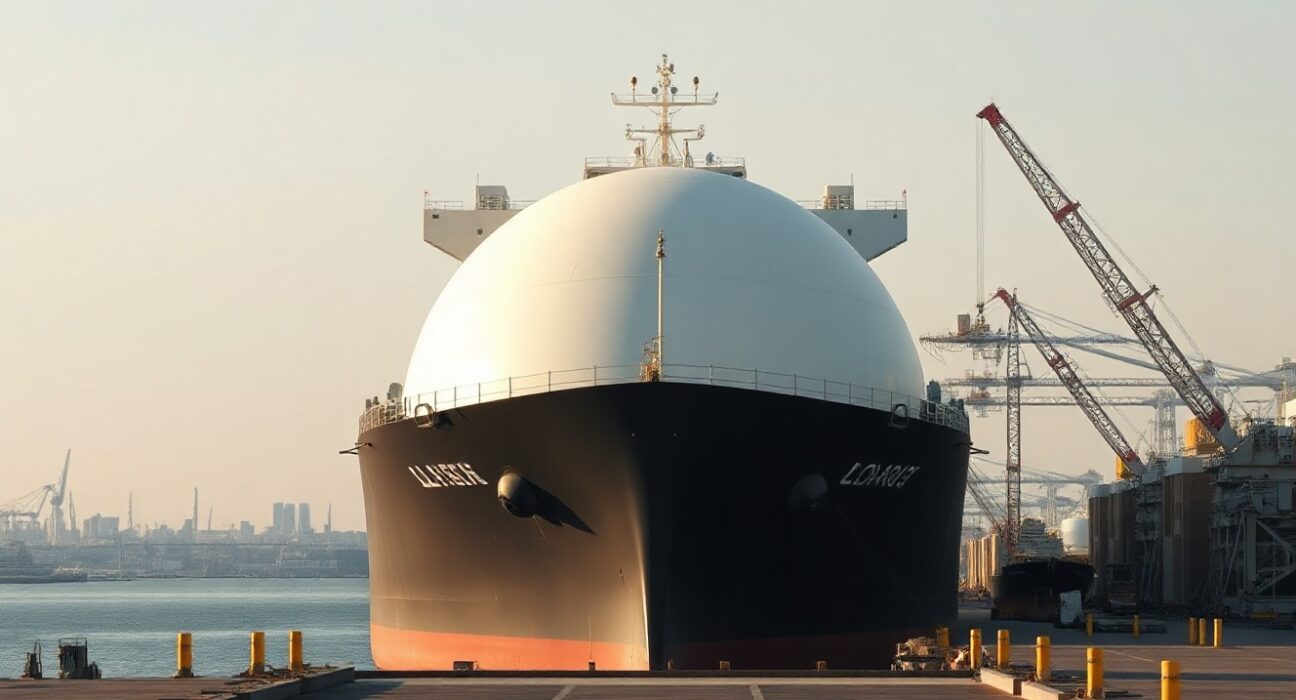
Commerzbank has revised its natural gas price forecasts upward, citing an anticipated tightening in the global LNG market that is expected to put sustained upward pressure on European and Asian benchmark prices.
What is driving the revised price outlook?
The bank’s updated analysis points to a confluence of supply-side constraints and demand resilience. The core of the argument rests on a slower-than-expected ramp-up of new LNG export capacity, particularly from major projects in the United States and Qatar, which are facing construction delays and technical hurdles. Simultaneously, demand for LNG, especially from Asian economies like China and India, remains robust, creating a competitive bidding environment for cargoes. This dynamic is projected to keep the market structurally tight, preventing significant price corrections even as seasonal demand fluctuates.
How do the new forecasts compare to previous estimates?
While the specific numerical targets from Commerzbank were not detailed in the initial report, the directional shift is clear. The revision signals that the bank now sees a higher equilibrium price band for the coming quarters. This adjustment aligns with a broader recalibration by other financial institutions that have recently acknowledged persistent geopolitical risks and supply chain vulnerabilities as key factors that will keep energy prices elevated above pre-2022 averages. The bank’s stance suggests that the period of relative price calm witnessed earlier in the year may be coming to an end.
Implications for European consumers and industry
For Europe, the higher forecast carries significant weight. The region remains heavily reliant on LNG imports to replace piped Russian gas, making it the marginal buyer in the global market. A tighter LNG market means that European wholesale prices will likely stay high, translating into elevated energy bills for households and reduced competitiveness for energy-intensive industries such as chemicals, steel, and glass manufacturing. This could also reignite inflationary pressures in the Eurozone, complicating the European Central Bank’s monetary policy path as it attempts to manage economic growth.
What should market participants watch next?
The key variables to monitor are the operational status of new LNG export facilities and the pace of industrial demand recovery in Asia. Any further delays in project commissioning will reinforce the bullish price outlook. Conversely, a sharper-than-expected economic slowdown in China could soften demand and alleviate some of the anticipated squeeze. Traders will also be closely watching storage levels in Europe as the region enters the refilling season, which will test the market’s ability to secure sufficient supply ahead of the next winter.
Conclusion
Commerzbank’s upward revision of natural gas price forecasts underscores a growing consensus that the global LNG market is entering a period of structural tightness. With supply growth lagging and demand proving resilient, the risk of higher energy prices remains skewed to the upside. This development carries profound implications for European energy security, industrial competitiveness, and the broader macroeconomic outlook, making it a critical trend for policymakers and businesses to track.
FAQs
Q1: Why is the LNG market expected to tighten?
The market is expected to tighten due to delays in new export capacity coming online in the US and Qatar, coupled with robust demand from Asia, which limits the availability of spot cargoes.
Q2: How does a tighter LNG market affect European natural gas prices?
As Europe is a major LNG importer, a tighter global market increases competition for cargoes, directly pushing up European wholesale gas prices and, subsequently, consumer energy bills.
Q3: What is the primary risk to Commerzbank’s higher price forecast?
The main downside risk is a significant economic slowdown in major Asian economies, particularly China, which would reduce industrial demand for natural gas and ease the anticipated supply squeeze.
Disclaimer: The information provided is not trading advice, Bitcoinworld.co.in holds no liability for any investments made based on the information provided on this page. We strongly recommend independent research and/or consultation with a qualified professional before making any investment decisions.
