

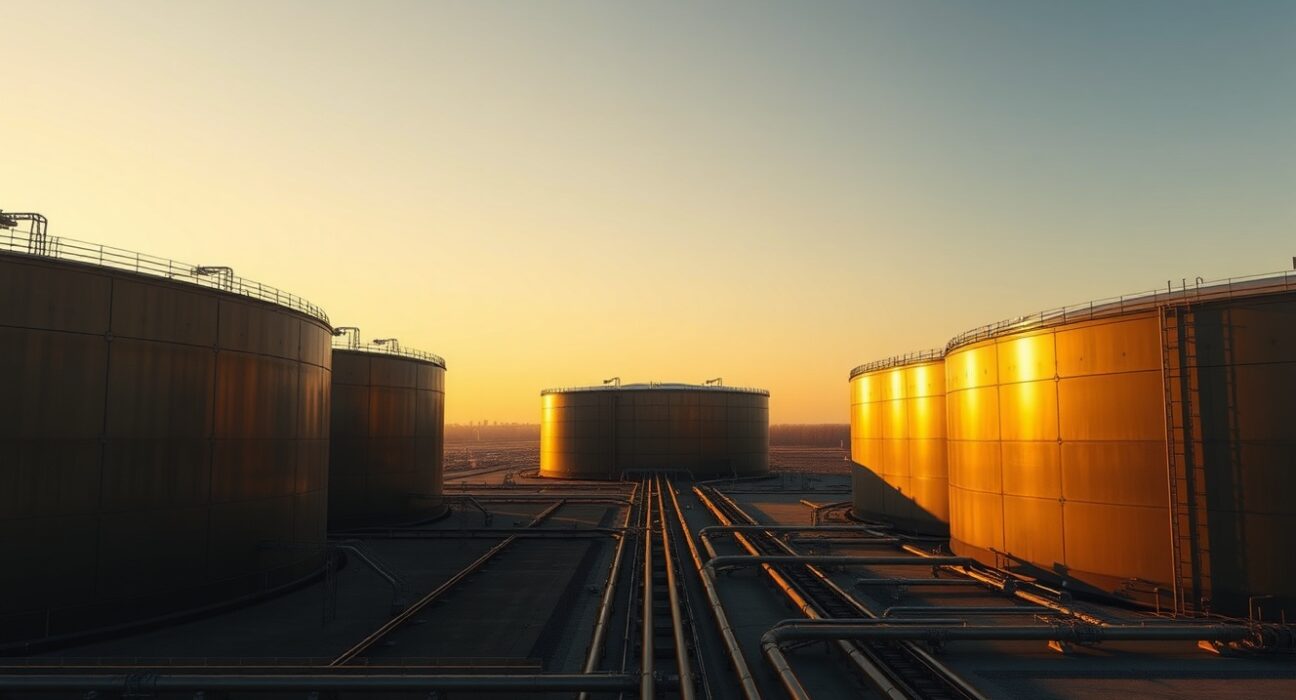
The global crude oil market is currently experiencing a supply surplus that, by most historical measures, appears well-timed. Stockpiles have risen, production remains robust, and demand signals are mixed. Yet the calendar tells a different story — one that traders, analysts, and policymakers are watching closely.
The Timing of the Glut
Typically, oil gluts that emerge during periods of weak demand create downward price pressure, benefiting consumers but squeezing producers. This time, the surplus is arriving at a moment when geopolitical tensions, refinery maintenance schedules, and seasonal demand shifts are converging in unusual ways. The result is a market that looks oversupplied on paper but faces potential tightness in specific regions and timeframes.
Data from the International Energy Agency and the U.S. Energy Information Administration indicate that global oil inventories have risen by approximately 1.5 million barrels per day over the past quarter. This is largely driven by increased output from non-OPEC producers, including the United States, Brazil, and Guyana. At the same time, demand growth has slowed in key consuming regions, particularly in Europe and parts of Asia.
Why the Calendar Matters
The concept of the ‘wrong calendar’ refers to the timing of this glut relative to upcoming seasonal shifts. Summer driving season in the Northern Hemisphere typically boosts gasoline demand, while winter heating oil consumption follows later in the year. If the current surplus persists into the second half of the year, it could coincide with refinery turnarounds and potential supply disruptions from weather events or geopolitical flashpoints.
Analysts at several major investment banks have noted that while headline inventory numbers suggest ample supply, the quality and location of that supply may not align with immediate demand needs. For instance, light sweet crude grades are abundant, but heavier sour grades — required by many complex refineries — remain relatively tight.
Implications for Prices and Consumers
For consumers, the glut may offer some relief at the pump in the short term, particularly if refiners pass on lower crude costs. However, the structural factors at play mean that price volatility could increase later in the year. Traders are pricing in a range of outcomes, from continued softness to a sudden spike if supply disruptions occur.
Producers, particularly those in higher-cost regions, face margin pressure. The current price environment, with benchmark crude trading in the mid-$70s per barrel, is comfortable for low-cost producers in the Middle East but challenging for shale operators in the Permian Basin who require prices above $60 to maintain drilling activity.
Conclusion
The crude oil glut is real, but its timing introduces complexity. Markets are not simply reacting to oversupply; they are pricing in the risk that today’s surplus becomes tomorrow’s shortage. For investors, energy companies, and consumers, understanding the calendar dynamics is essential to navigating what lies ahead. The next few months will reveal whether this glut is a temporary imbalance or a signal of deeper structural change in global oil markets.
FAQs
Q1: What is a crude oil glut?
A crude oil glut occurs when global oil supply exceeds demand, leading to rising inventories and typically lower prices. It can result from increased production, weaker demand, or both.
Q2: How does the timing of a glut affect oil prices?
Timing matters because seasonal demand patterns, refinery maintenance, and geopolitical events can amplify or mitigate the impact of a surplus. A glut arriving before peak demand seasons may have less price impact than one that coincides with supply disruptions.
Q3: Who benefits from a crude oil glut?
Consumers generally benefit from lower fuel prices, while oil-importing countries see reduced energy costs. Producers, especially those with high extraction costs, face lower revenues and may reduce investment in new production.
Disclaimer: The information provided is not trading advice, Bitcoinworld.co.in holds no liability for any investments made based on the information provided on this page. We strongly recommend independent research and/or consultation with a qualified professional before making any investment decisions.
