

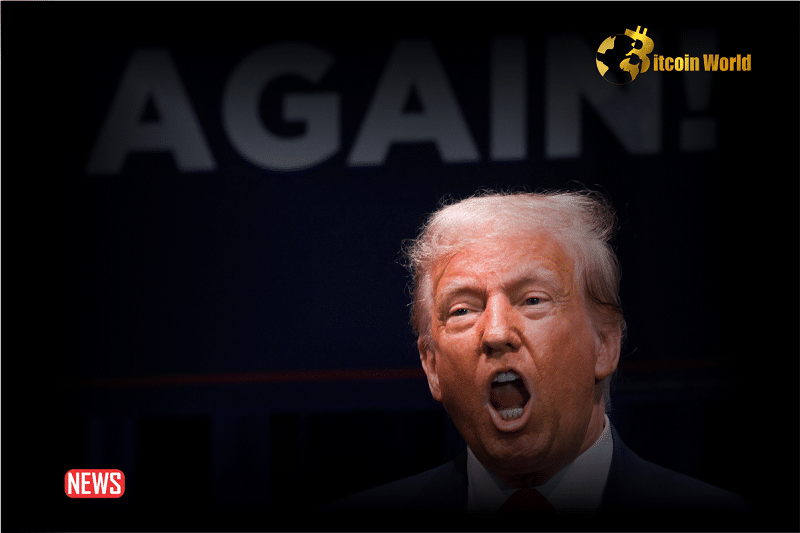
In the lead-up to the U.S. elections this November, a survey funded by Digital Currency Group (DCG) found that more than 20% of voters in several swing states consider cryptocurrency as a significant issue. This discovery marks a notable shift compared to previous election cycles. It indicates a growing awareness and concern about crypto among the electorate.
The survey, conducted online, sheds light on the evolving political landscape surrounding crypto. It suggests that politicians from both parties are increasingly willing to take positions either in favor of or against cryptocurrency. This contrasts with past elections, where crypto-related issues received less attention from candidates and voters alike.
Former President Donald Trump, for instance, has shifted his stance on crypto, now seeing it as a potentially powerful ally. Similarly, outsider candidate Robert F. Kennedy has emerged as a vocal supporter of Bitcoin. Their endorsements reflect the increasing importance of crypto in political discourse.
Of particular note is the significance of crypto in key battleground states like Arizona, Michigan, Montana, Nevada, Ohio, and Pennsylvania. According to an online Harris Poll commissioned by DCG, one-third of voters with positive views on crypto believe that regulating crypto should be a priority for policymakers.
Advocating for Pro-Crypto Policies
Julie Stitzel, senior vice president of policy at DCG, emphasized the importance of crypto-awareness among voters. She stated that a pro-crypto stance could be beneficial for policymakers and candidates, highlighting the need for reasonable regulations that balance consumer protection with innovation.
These findings coincide with a growing trend of crypto companies and advocates becoming more politically active. Organizations like Stand With Crypto, led by Coinbase, aim to influence state and federal crypto policy by mobilizing potential voters and raising funds.
However, the influx of money into politics, particularly from the crypto industry, raises concerns among the public. The recent FTX scandal, where significant funding from crypto entities was injected into political races, has heightened scrutiny on such financial interventions. Voters may be wary of overt financial influences in political decision-making.
Moreover, there’s no guarantee that politicians will uphold their campaign promises once in office. Gary Gensler, expected to adopt a more lenient approach to crypto regulation due to his background in teaching about the industry at MIT, serves as a cautionary example. His actions as the head of the U.S. Securities and Exchange Commission (SEC) may not necessarily align with initial expectations.
In conclusion, crypto’s increasing prominence in election discussions reflects its growing importance. However, it also raises questions about the intersection of finance and politics. As voters weigh the implications of crypto-related policies, they must navigate the complexities of campaign promises and the realities of governance.
Disclaimer: The information provided is not trading advice, Bitcoinworld.co.in holds no liability for any investments made based on the information provided on this page. We strongly recommend independent research and/or consultation with a qualified professional before making any investment decisions.
Related Reading
- Pro-Crypto PAC Used Fabricated Headlines in Ads Against Florida Democratic Candidate, Report Says
- El Salvador Opposition Unites Against Bukele’s Bitcoin Agenda Ahead of 2027 Vote
- Solana-Backed PAC Launches $8M Crusade to Unseat Crypto-Skeptic Senator in Ohio Showdown
- Peruvian Sol Plummets as Sánchez Nears Tense Runoff with Fujimori
- Historic Hungary Election: Tisza Party’s Landslide Victory Shatters Orban’s 16-Year Political Dominance
