
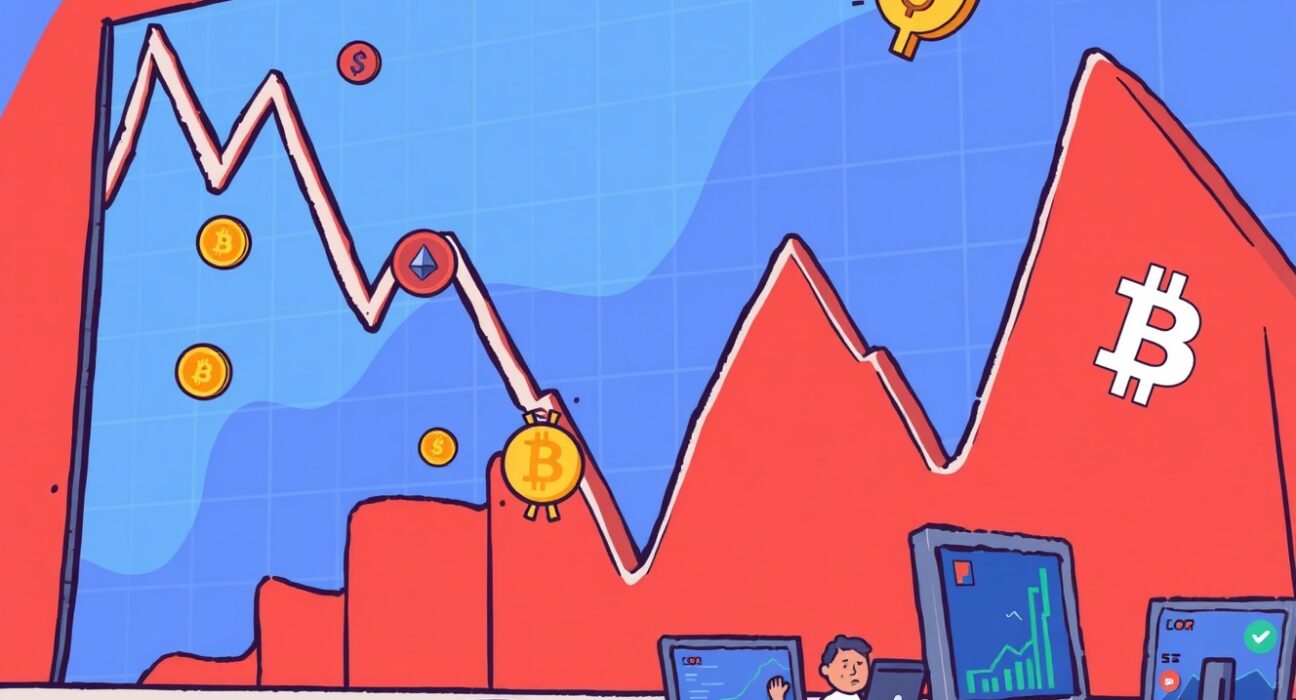
The cryptocurrency market just witnessed a significant shake-up, with a staggering $226.3 million in occurring over the past 24 hours. This massive event, primarily driven by Ethereum (ETH), highlights the inherent volatility and leveraged nature of digital asset trading. For many traders, understanding these liquidations is crucial for navigating market dynamics and safeguarding their investments.
What Are Crypto Liquidations and Why Do They Matter?
At its core, a liquidation in the crypto market happens when an exchange forcefully closes a trader’s leveraged position due to a partial or total loss of the trader’s initial margin. This occurs when a trader fails to meet the margin requirements for a leveraged trade, leading to their position being automatically closed to prevent further losses. In the world of perpetual futures, these forced closures are a common yet impactful occurrence.
The recent surge in , particularly on short positions, indicates a rapid upward price movement that caught many bearish traders off guard. When short positions are liquidated, it often creates a cascade effect, further pushing prices up as exchanges buy back assets to cover these positions, intensifying market volatility. This mechanism can quickly amplify market trends, leading to dramatic price swings.
Ethereum’s Staggering Lead in Recent Crypto Liquidations
Over the last 24 hours, Ethereum (ETH) took the unfortunate lead, accounting for a significant portion of the total liquidations. Here’s a detailed breakdown of the major cryptocurrencies affected by these forced closures:
- ETH: A monumental $130 million in liquidations, with short positions comprising an overwhelming 89.41%. This highlights a strong upward price movement for Ethereum.
- BTC: Bitcoin saw $57.99 million liquidated, and an even higher 92.12% of these were short positions. This indicates a similar, albeit smaller, squeeze on Bitcoin bears.
- SOL: Solana experienced $38.33 million in liquidations, with shorts also dominating at 91.86%. Solana’s participation further underscores the market-wide nature of this event.
These figures paint a clear picture: a sudden market rally caught a vast number of traders betting on price declines by surprise. The high percentage of short liquidations across all three assets strongly suggests a significant short squeeze. This means that as prices began to rise, short sellers were forced to close their positions, inadvertently adding buying pressure and accelerating the price increase. Understanding these helps us gauge market sentiment.
What Drives Such Massive Crypto Liquidations?
Several factors can contribute to such widespread . Market sentiment, unexpected news, or even a large whale’s strategic moves can trigger rapid price shifts. For Ethereum, the recent anticipation around network upgrades, a sudden influx of institutional interest, or broader market bullishness might have fueled the initial price pump, catching leveraged short positions off guard.
The high leverage used in perpetual futures amplifies both gains and losses. While it offers the potential for magnified returns, it also carries substantial risk. A small adverse price movement can quickly deplete a trader’s margin, leading to liquidation. This recent event serves as a powerful reminder of the double-edged sword that is leveraged trading, especially when dealing with assets like ETH.
Navigating the Volatility: Lessons from Crypto Liquidations
For traders and investors, understanding these market dynamics is paramount. The scale of these underscores the importance of robust risk management strategies. Here are some actionable insights to help you navigate volatile markets:
- Manage Leverage Wisely: Avoid over-leveraging your positions, especially in volatile markets. Higher leverage significantly increases your risk of liquidation.
- Set Stop-Loss Orders: Implement stop-loss orders to automatically close your position if the price moves against you, limiting potential losses and protecting your capital.
- Stay Informed: Keep abreast of market news, technical analysis, and upcoming events that could influence asset prices. Knowledge is power in fast-moving markets.
- Diversify Your Portfolio: Don’t put all your eggs in one basket. Diversification across different assets can help mitigate risks during market downturns or unexpected rallies.
The recent $226.3 million liquidation event is a stark reminder that the crypto market can be unforgiving. While opportunities abound, so do risks, particularly for those engaging in leveraged trading. Prudent decision-making and a clear understanding of market mechanics are your best allies in this dynamic environment.
In summary, the past 24 hours saw a monumental $226.3 million in crypto liquidations, with Ethereum leading the charge at $130 million. The overwhelming majority of these were short positions, indicating a powerful short squeeze across ETH, BTC, and SOL. This event highlights the extreme volatility of the crypto market and the inherent risks associated with leveraged trading. For participants, it reinforces the critical need for disciplined risk management and staying informed to navigate these turbulent waters successfully.
Frequently Asked Questions (FAQs)
Q1: What is a crypto liquidation?
A: A crypto liquidation occurs when an exchange automatically closes a trader’s leveraged position because their margin falls below a required level, typically due to adverse price movements. This is a forced closure to prevent further losses.
Q2: Why were so many short positions liquidated?
A: A high percentage of short liquidations indicates a sudden upward price movement (often called a short squeeze) that caught traders betting on price declines off guard, forcing their positions to close at a loss.
Q3: What does this mean for the overall crypto market?
A: Large liquidation events can signal increased volatility and can sometimes precede further price movements as market participants react. It often indicates a significant shift in market sentiment or an unexpected price surge.
Q4: How can traders protect themselves from liquidations?
A: Traders can protect themselves by using lower leverage, setting stop-loss orders, maintaining sufficient margin, and staying informed about market conditions and news. Risk management is key.
Q5: Is Ethereum always the leader in liquidations?
A: Not always. While Ethereum led this particular event, the leading asset in liquidations can vary depending on market conditions, specific news, and trading activity surrounding different cryptocurrencies at any given time.
Did you find this analysis helpful? Share this article with your network to help fellow crypto enthusiasts understand the dynamics of and navigate the volatile market with greater confidence!
To learn more about the latest trends, explore our article on key developments shaping the price action.
Disclaimer: The information provided is not trading advice, Bitcoinworld.co.in holds no liability for any investments made based on the information provided on this page. We strongly recommend independent research and/or consultation with a qualified professional before making any investment decisions.