
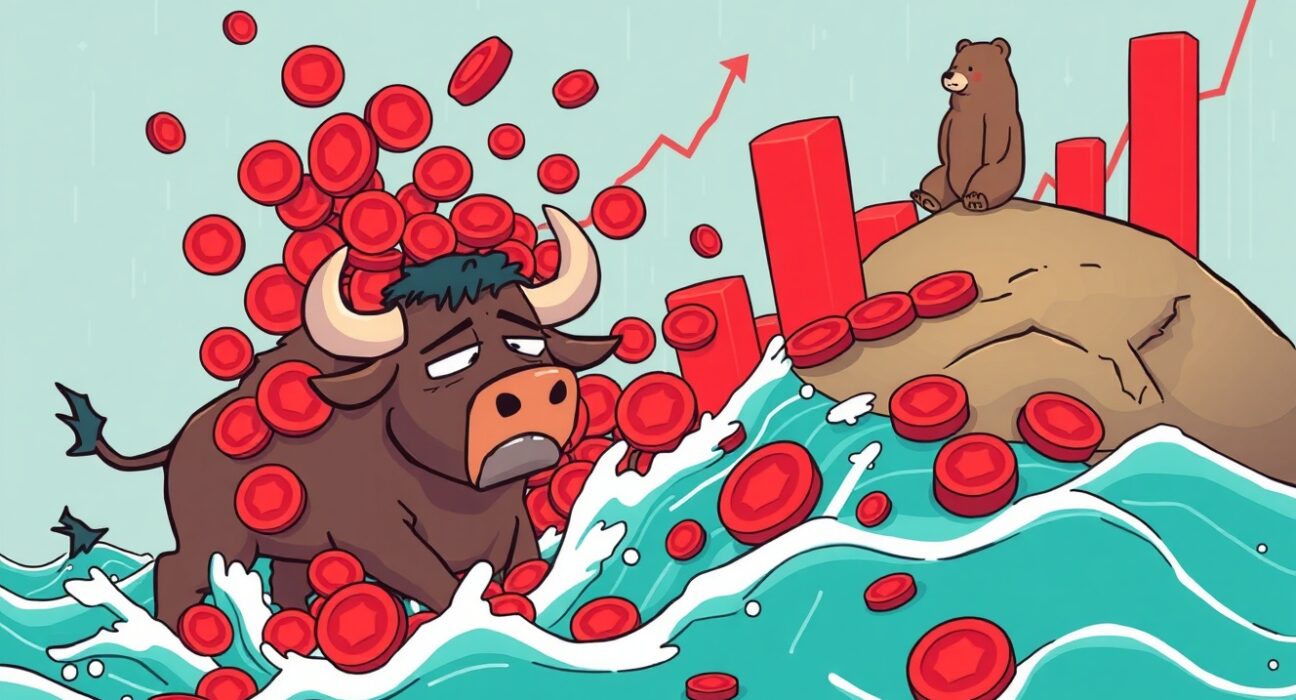
The cryptocurrency market just witnessed a brutal wave of forced selling, with over $344 million in positions being wiped out in 24 hours. The most shocking detail? The vast majority of these crypto liquidations—where exchanges automatically close leveraged positions—hit traders betting on prices going up. This event serves as a stark reminder of the extreme risks in leveraged futures trading.
What Are Crypto Liquidations and Why Do They Matter?
Before we dive into the numbers, let’s clarify a key concept. In perpetual futures trading, you can use leverage to amplify your bets. However, if the market moves against you and your collateral value falls below a certain point, the exchange forcibly closes your position. This is a crypto liquidation. It protects the exchange from loss but can create cascading sell-offs, accelerating price drops. Therefore, understanding these events is crucial for any active trader.
The $344M Bloodbath: A Breakdown by Asset
The data from the past day paints a clear and painful picture. Long positions—bets that an asset’s price will rise—were overwhelmingly on the wrong side of this move. Here are the key figures that highlight the scale of the crypto liquidations:
- Bitcoin (BTC): $178 million liquidated, with a staggering 65.59% of those being long positions.
- Ethereum (ETH): $132 million liquidated, where 58.32% were longs.
- Solana (SOL): $34.29 million liquidated, with longs making up a massive 82.51% of the total.
This pattern shows that a sudden market downturn caught a huge number of optimistic traders off guard, triggering a domino effect of automatic selling.
Why Did Longs Account for the Majority of Liquidations?
You might wonder why bullish traders suffered so disproportionately. Several factors typically converge in these events. First, a sharp, unexpected price decline can happen due to macroeconomic news or large sell orders. Second, high leverage magnifies losses. A trader using 10x leverage only needs a 10% price move against them to face crypto liquidations. Finally, clustered liquidity at certain price levels means once liquidation begins, it can feed on itself, pushing prices lower and triggering more long liquidations in a vicious cycle.
How Can Traders Navigate and Mitigate Liquidation Risk?
While crypto liquidations are a market reality, you can take steps to protect your capital. The goal is not to avoid risk entirely, but to manage it intelligently.
- Use Lower Leverage: Higher leverage offers greater reward but exponentially increases your risk of liquidation. Using 3x-5x instead of 10x or more provides a much larger safety cushion.
- Set Strategic Stop-Losses: Don’t rely on the exchange’s liquidation price. Set your own stop-loss orders at a level you are comfortable with to exit a trade before a forced closure.
- Monitor Funding Rates: Extremely high positive funding rates can signal overcrowded long positions, which often precede a squeeze and a wave of long crypto liquidations.
- Never Over-allocate: Only risk a small percentage of your total portfolio on any single leveraged trade.
The Bottom Line: Respect the Power of Leverage
The recent $344 million liquidation event is a powerful lesson in market dynamics. It underscores that in volatile crypto markets, leverage is a double-edged sword. While the majority of this pain was felt by longs, the mechanics work both ways. A sharp rally can trigger equally brutal short squeezes. The key takeaway is to trade with caution, manage your risk proactively, and always understand that crypto liquidations are an ever-present danger in the futures market.
Frequently Asked Questions (FAQs)
Q: What exactly triggers a crypto liquidation?
A: A liquidation is triggered when the value of your collateral in a leveraged futures position falls below the maintenance margin requirement set by the exchange. The system then automatically closes the position to prevent further loss.
Q: Are liquidations always bad for the market?
A: They can exacerbate volatility. A wave of long liquidations forces sell orders, pushing prices down further, which can trigger more liquidations in a negative feedback loop.
Q: Can I get my money back after a liquidation?
A: No. Once your position is liquidated, the loss is realized, and any remaining collateral (if any) is returned to your account. The process is automatic and irreversible.
Q: Do liquidations happen on spot trading?
A> No. Liquidations are specific to margin and futures trading where you borrow funds (use leverage) to trade. In spot trading, you only lose value if the asset price falls, but your coins are not forcibly sold.
Q: Why were Solana (SOL) long liquidations so high at 82.51%?
A> This suggests that SOL futures traders were extremely bullish and using high leverage. When the market turned, this crowded trade led to a more intense squeeze on those long positions compared to BTC or ETH.
Found this breakdown of the recent crypto liquidations helpful? Share this article with fellow traders on X (Twitter) or Telegram to help them understand the risks and navigate the markets more safely!
To learn more about the latest crypto market trends, explore our article on key developments shaping Bitcoin and Ethereum price action.
Disclaimer: The information provided is not trading advice, Bitcoinworld.co.in holds no liability for any investments made based on the information provided on this page. We strongly recommend independent research and/or consultation with a qualified professional before making any investment decisions.