

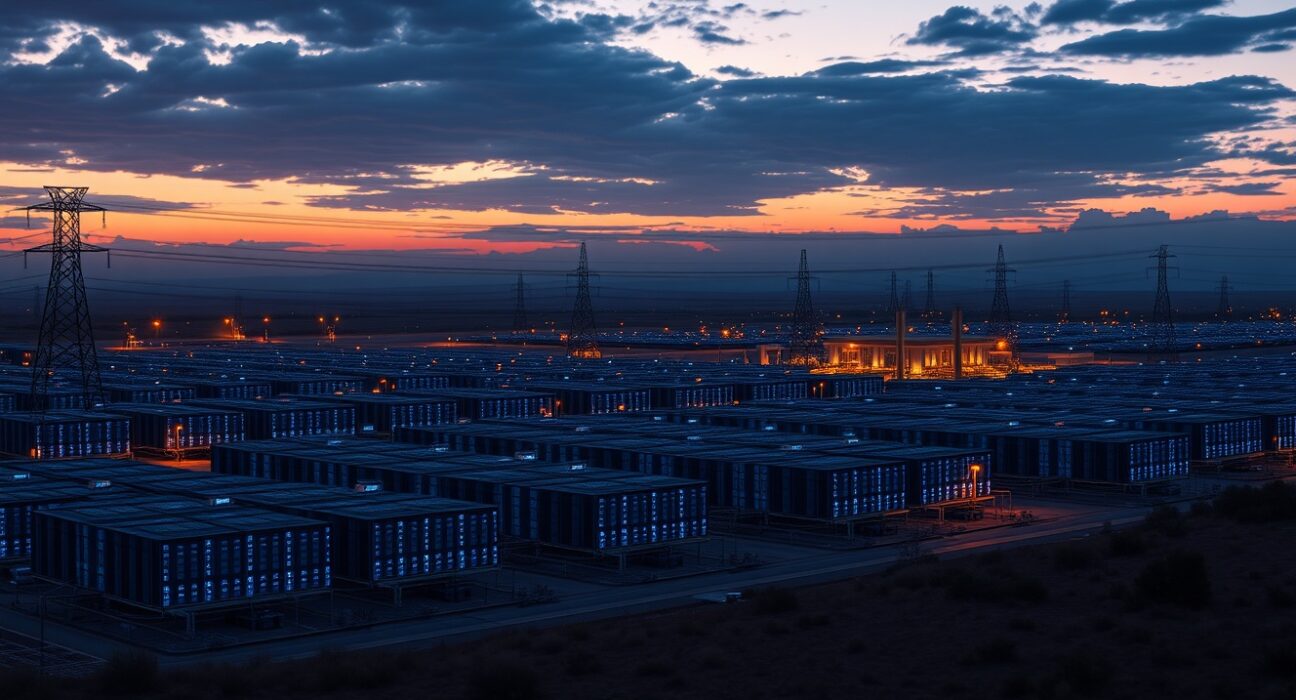
Data centers in the United States are projected to consume four times more electricity by 2035 than they do today, accounting for roughly one-fifth of all electricity generated in the country, according to a new report from BloombergNEF. The surge is driven primarily by the rapid expansion of artificial intelligence compute infrastructure, which is expected to push total U.S. data center capacity to nearly 200 gigawatts over the next decade.
AI compute fuels unprecedented demand growth
The BloombergNEF report, released in early 2025, estimates that nearly half of the new data center capacity will be dedicated to training and running AI models. Most of that compute power will remain concentrated in the United States, which is forecast to host 64% of the world’s AI chips by power demand by 2033. The consultancy’s latest projections are significantly higher than previous estimates — the new forecast for 2035 electricity demand is 83% higher than what BloombergNEF predicted just four months earlier, in December 2024.
Other organizations tracking the trend have similarly revised their numbers upward. EPRI, an electrical industry nonprofit, has more than doubled its 2024 estimate for data center power demand. S&P Global raised its forecast by more than a third between October 2024 and April 2025. These repeated revisions reflect the accelerating pace of data center development across the country, as tech companies race to build out capacity for generative AI and large language model workloads.
Strained grids and regional concentration
The report highlights that the majority of new data centers will connect to electrical grids already under significant strain. The PJM Interconnection, which covers a broad swath from Virginia to Illinois, is expected to see 34% of its electricity consumed by data centers. In Texas, the Electric Reliability Council of Texas (ERCOT) will need to dedicate 22% of its generating capacity to data center loads.
PJM, which already hosts a large concentration of the nation’s data centers, has faced mounting challenges managing connection requests from both large generators and large electricity consumers. The grid operator paused applications for new sources to connect to the grid for four years, creating a precarious bottleneck as demand continued to grow. Though PJM reopened the queue to new generating sources in April 2025, the situation has become so strained that American Electric Power, a major utility, has threatened to pull out of the interconnection entirely.
The supply-demand imbalance has driven electricity prices up by 76% over the past year within the PJM region. Despite the congestion, data centers remain eager to connect — they represented 38% of charges in the grid manager’s most recent capacity auction, indicating sustained demand even at elevated prices.
Global implications of the data center boom
While the United States claims a majority of AI compute capacity, data center growth is accelerating worldwide. By 2033, if AI adoption continues along an aggressive trajectory, data centers globally will create 1,935 terawatt-hours of new electricity demand — nearly as much as India, the world’s most populous country, uses annually. This level of demand will have profound implications for global energy markets, grid infrastructure investments, and climate goals.
The concentration of compute power in the U.S. also raises questions about energy security and regional economic competitiveness. States and regions that can accommodate data center growth may see significant economic benefits, but those with constrained grids could face higher electricity costs for residents and businesses.
Why this matters
The data center electricity demand surge is not merely an industry trend — it has direct consequences for electricity pricing, grid reliability, and climate policy. Policymakers at the federal and state levels are grappling with how to balance the economic benefits of AI infrastructure with the need to maintain affordable, reliable electricity for homes and businesses. The BloombergNEF report underscores that current grid planning and interconnection processes are not keeping pace with the speed of data center development, and that without significant investment in new generation and transmission capacity, the strain on regional grids will intensify.
Conclusion
BloombergNEF’s latest projections paint a stark picture of the energy demands of the AI era. Data centers are on course to become one of the largest consumers of electricity in the United States within a decade, placing unprecedented pressure on aging grid infrastructure and driving up costs. The report’s repeated upward revisions suggest that even these new estimates may prove conservative if AI adoption continues to accelerate. For grid operators, utilities, and policymakers, the message is clear: the time to plan for this demand surge is now, not when the lights start flickering.
FAQs
Q1: How much more electricity will data centers use by 2035?
According to BloombergNEF, data centers in the U.S. are expected to consume four times more electricity than they do today, accounting for roughly one-fifth of all U.S. electricity generation.
Q2: What is driving the increase in data center electricity demand?
The primary driver is the rapid expansion of artificial intelligence compute infrastructure, including both training and inference workloads for large language models and other AI systems.
Q3: Which U.S. grids will be most affected?
The PJM Interconnection (covering Virginia to Illinois) is expected to see 34% of its electricity go to data centers, while ERCOT in Texas will need to devote 22% of its generating capacity. Both grids are already under strain.
Q4: Why have forecasts been revised upward so sharply?
BloombergNEF’s latest estimate for 2035 is 83% higher than its December 2024 forecast, reflecting the fevered pace of data center development and accelerating AI adoption. Other organizations like EPRI and S&P have similarly raised their projections.
Disclaimer: The information provided is not trading advice, Bitcoinworld.co.in holds no liability for any investments made based on the information provided on this page. We strongly recommend independent research and/or consultation with a qualified professional before making any investment decisions.
