
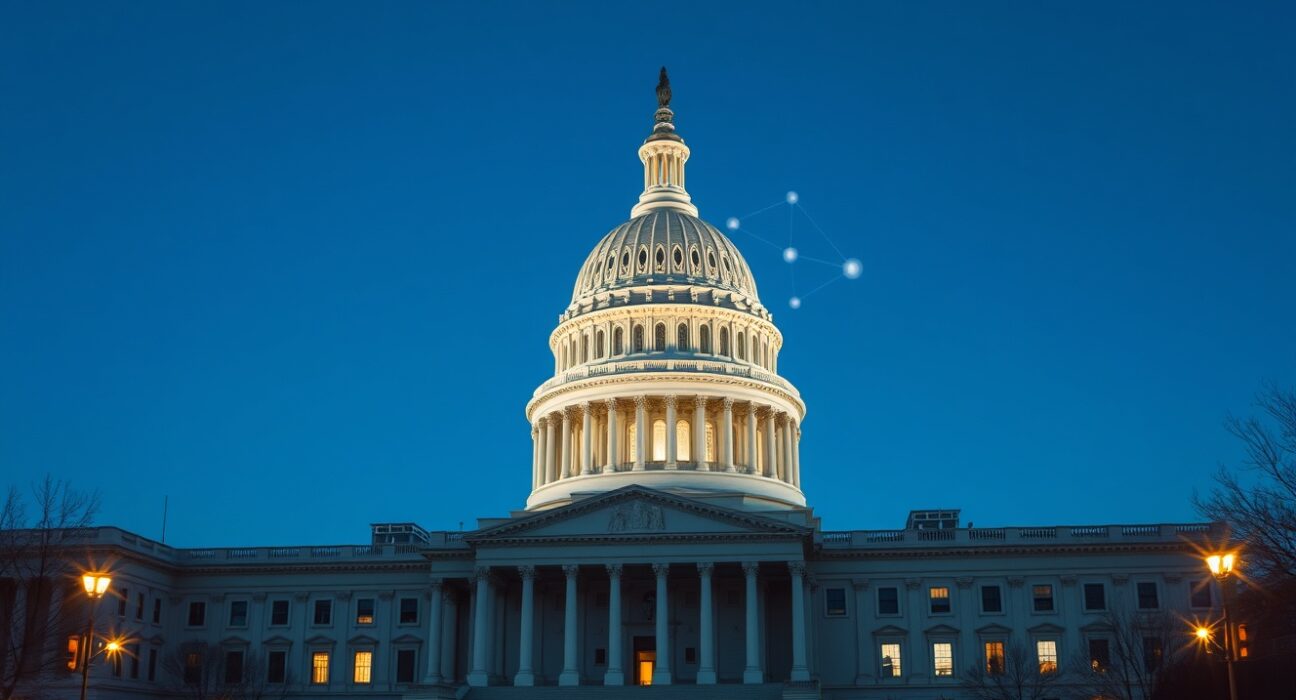
WASHINGTON, D.C., March 2025 – The future of comprehensive cryptocurrency regulation in the United States hinges on a critical procedural step, with U.S. Senator Tim Scott poised to outline the markup schedule for the landmark Digital Asset Market Clarity Act at today’s DC Blockchain Summit. This announcement represents a pivotal moment for an industry long seeking legal certainty, potentially unlocking a new era of institutional adoption and consumer protection. The summit, a key gathering of policymakers and industry leaders, will focus intensely on the legislative path forward for a bill that has navigated a complex journey through Congress.
The Digital Asset Market Clarity Act’s Legislative Journey
The Digital Asset Market Clarity Act represents a foundational attempt to create a unified federal regulatory framework for digital assets. Initially passing the House of Representatives in July of last year, the bill subsequently encountered significant hurdles within the Senate Banking Committee. Consequently, the markup process—a vital stage where committee members debate, amend, and ultimately shape legislation—has been eagerly awaited by stakeholders across finance and technology.
Senator Tim Scott, as Chairman of the Senate Banking Committee, holds considerable influence over the bill’s trajectory. His scheduled discussion at the DC Blockchain Summit will provide the first official timeline for this essential committee work. Furthermore, this development follows months of behind-the-scenes negotiations aimed at resolving the primary point of contention that stalled progress.
The Stablecoin Stalemate and Banking Negotiations
A central dispute delaying the Act involves the treatment of interest, or yield, generated by stablecoin reserves. Key questions persist about which entities can custody these reserves and how resultant earnings should be managed. This issue sits at the intersection of traditional banking and innovative fintech, creating a regulatory gray area.
However, recent reports indicate a potential breakthrough. Cody Carbone, CEO of The Digital Chamber, a major industry advocacy group, suggested negotiations between crypto firms and banking institutions are concluding. These discussions reportedly aim to establish clear rules for bank partnerships regarding stablecoin issuance and reserve management. Such an agreement could remove the largest obstacle to the bill’s advancement, paving the way for a smoother markup process.
Political Timelines and Market Sentiment
Despite optimistic signals from industry negotiators, the political calendar presents a separate challenge. Senate Majority Leader John Thune has publicly stated that a full Senate floor vote cannot occur before April, setting a definitive minimum timeline. This delay underscores the careful, often slow-moving nature of major financial legislation.
Market participants are actively gauging the bill’s odds. On the prediction market platform Polymarket, traders are currently pricing in approximately a 60% probability that the Digital Asset Market Clarity Act passes into law this year. This figure reflects cautious optimism, acknowledging both the procedural progress and the remaining political hurdles.
The potential impacts of the legislation are far-reaching. Analysts highlight several key areas the bill aims to address:
- Regulatory Classification: Clearly defining what constitutes a digital asset security versus a commodity.
- Market Integrity: Establishing rules for trading platforms to prevent fraud and market manipulation.
- Consumer Protection: Mandating disclosure requirements and custody standards for consumer assets.
- Stablecoin Oversight: Creating a federal framework for payment stablecoin issuance and regulation.
Broader Context: The Global Regulatory Race
The United States’ legislative efforts occur within a competitive global landscape. Other major jurisdictions, including the European Union with its MiCA framework and the United Kingdom with its phased regulatory approach, have moved aggressively to establish clear rules. Proponents of the Digital Asset Market Clarity Act argue that U.S. leadership is crucial for maintaining influence over the future of the global financial system.
Conversely, continued delay risks ceding innovation and standard-setting to other regions. The DC Blockchain Summit serves as a reminder of the intense focus from both domestic and international observers on Washington’s next steps. The scheduled markup is therefore not merely a procedural event but a signal of American commitment to shaping the digital economy.
Expert Perspectives on the Summit’s Significance
Financial policy experts note that Senator Scott’s announcement will provide much-needed transparency. “Marking up a bill of this magnitude requires careful scheduling,” explains Dr. Elena Torres, a senior fellow at the Center for Financial Innovation. “A public timeline allows all stakeholders—from startups to incumbent banks—to prepare their analysis and engagement. It moves the discussion from speculation to structured debate.”
The summit itself acts as a barometer for the industry’s political maturation. The fact that a senior committee chairman is using this platform for a major scheduling announcement demonstrates the integration of blockchain topics into mainstream financial policy discourse. This integration is a significant evolution from earlier years when crypto regulation was a niche concern.
Conclusion
The upcoming discussion on the Digital Asset Market Clarity Act markup schedule at the DC Blockchain Summit marks a decisive inflection point. While challenges remain, particularly regarding stablecoin provisions and the Senate’s legislative calendar, the act of scheduling the markup represents tangible progress. Resolution of the banking negotiations could provide the necessary compromise to advance this landmark legislation. Ultimately, the path charted at the summit will determine whether 2025 becomes the year the United States establishes a comprehensive federal framework for the digital asset economy, with profound implications for markets, innovation, and global financial leadership.
FAQs
Q1: What is the Digital Asset Market Clarity Act?
The Digital Asset Market Clarity Act is a proposed U.S. federal bill designed to create a comprehensive regulatory framework for cryptocurrencies and digital assets. It aims to clarify rules for trading, stablecoins, consumer protection, and the roles of different regulatory agencies.
Q2: What is a “markup” in the legislative process?
A markup is a meeting held by a congressional committee to debate, amend, and rewrite a proposed bill before it is sent to the full chamber (Senate or House) for a vote. It is a critical stage where the details of legislation are finalized.
Q3: Why has the bill been stalled in the Senate Banking Committee?
The primary point of contention has been disagreements over how to regulate the interest payments generated by reserves backing stablecoins. Negotiations between the crypto industry and traditional banks on this issue have been ongoing.
Q4: What is the significance of the DC Blockchain Summit for this bill?
The summit is a major policy forum where Senator Tim Scott, Chairman of the Senate Banking Committee, is expected to publicly announce the future schedule for the bill’s markup. This provides official transparency on the next legislative step.
Q5: What are the chances the bill becomes law in 2025?
Based on current prediction market data from Polymarket, traders estimate roughly a 60% chance of passage this year. However, Senate leadership has indicated a floor vote cannot occur before April, and the bill must still clear committee and full Senate votes before potential reconciliation with the House version.
Disclaimer: The information provided is not trading advice, Bitcoinworld.co.in holds no liability for any investments made based on the information provided on this page. We strongly recommend independent research and/or consultation with a qualified professional before making any investment decisions.