
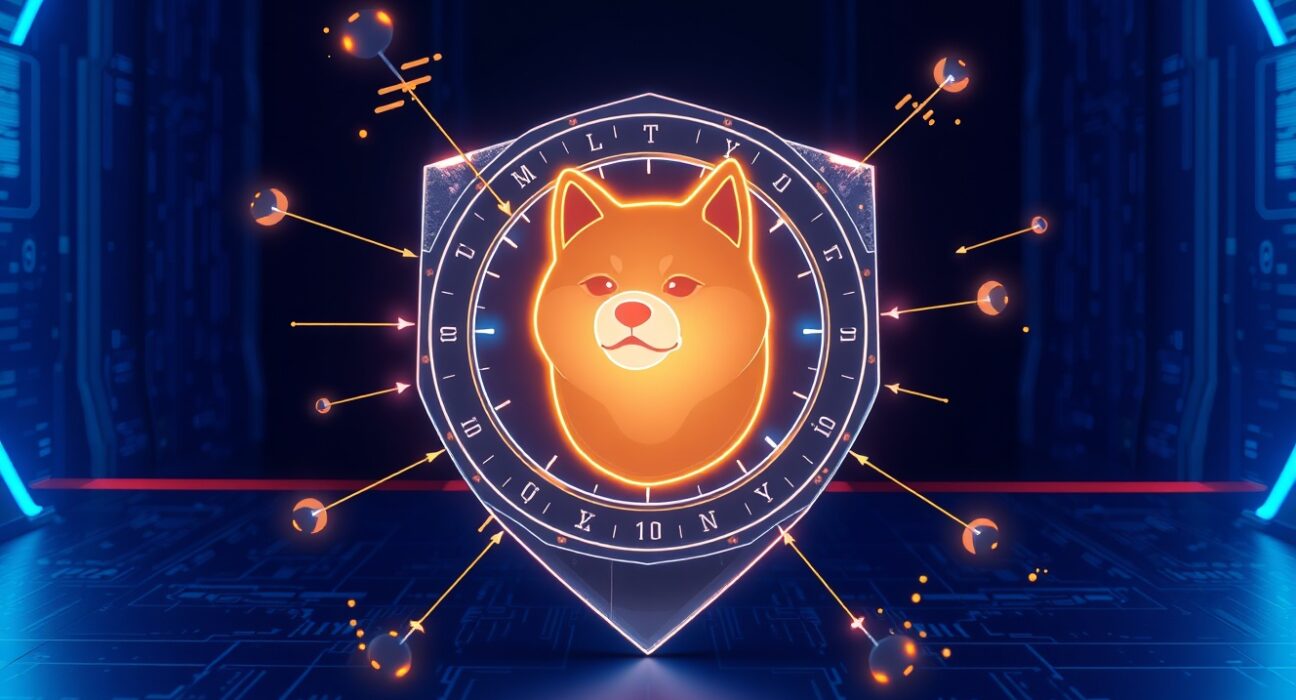
In a proactive move to safeguard its multi-billion dollar ecosystem, Dogecoin developers have begun testing groundbreaking quantum-resistant transaction technology. This initiative, first reported by DL News, directly addresses warnings from industry giants like Google about the existential threat quantum computers pose to current cryptographic systems. The development marks a significant step for the meme-inspired cryptocurrency as it evolves to meet future security challenges.
Dogecoin’s Quantum Resistance Initiative Explained
Dogecoin’s core development team is currently experimenting with a novel method to harden transactions against quantum attacks. The proposed technology involves embedding unique cryptographic fingerprints into specific parts of a transaction. This process creates a digital signature that even advanced quantum computers would struggle to forge or break. However, achieving full network-wide quantum resistance necessitates a major upgrade to the Dogecoin blockchain itself. This upgrade would represent one of the most substantial technical changes to the network since its inception.
The need for such measures stems from the fundamental way cryptocurrencies secure assets. Traditional blockchains like Dogecoin rely on cryptographic algorithms such as Elliptic Curve Digital Signature Algorithm (ECDSA). These algorithms are currently secure against classical computers. Quantum computers, however, leverage principles of quantum mechanics to solve certain mathematical problems exponentially faster. Specifically, they could potentially break the public-key cryptography that protects wallets and authorizes transactions.
- Quantum Threat: Future quantum computers could decrypt private keys from public addresses.
- Current Defense: The experimental method adds post-quantum cryptographic layers to transactions.
- End Goal: To create a quantum-resistant blockchain that protects user funds indefinitely.
The Rising Threat of Quantum Computing to Cryptocurrency
Warnings about quantum computing’s disruptive potential are not new. Companies including Google, IBM, and Microsoft have consistently highlighted the risk. In 2019, Google claimed its Sycamore processor achieved “quantum supremacy” by performing a calculation in minutes that would take a classical supercomputer millennia. While current quantum machines are not yet powerful enough to crack cryptocurrency cryptography, the trajectory of progress is clear. The cryptocurrency industry operates on a long-term horizon, requiring solutions today for threats that may materialize in 10 to 20 years.
This is not a speculative fear. The National Institute of Standards and Technology (NIST) has been running a years-long process to standardize post-quantum cryptographic algorithms. The threat is considered so credible that governments and financial institutions worldwide are preparing for a “Y2Q” (Years to Quantum) transition. For a cryptocurrency like Dogecoin, with a market cap often in the tens of billions and a vast, global user base, proactive defense is a necessity for maintaining trust and value.
Technical Hurdles and Network Upgrade Challenges
Implementing quantum resistance is far from trivial. The Dogecoin development team faces a significant technical balancing act. Any new cryptographic system must be integrated without compromising the network’s legendary reliability and accessibility. Furthermore, a major protocol upgrade requires near-universal consensus from miners, node operators, and wallet providers. A failed or contentious upgrade could split the network, creating two separate blockchains. The table below outlines key considerations for the upgrade:
| Challenge | Description | Potential Impact |
|---|---|---|
| Backward Compatibility | Ensuring new transaction types don’t break old wallets. | User experience and adoption. |
| Transaction Size/Speed | Post-quantum signatures are often larger, affecting block size and fees. | Network scalability and cost. |
| Consensus Activation | Achieving agreement across a decentralized, global community. | Network unity and security. |
Despite these hurdles, the work positions Dogecoin alongside other forward-looking projects. Cryptocurrencies like Ethereum and Cardano are also researching quantum-resistant solutions. By starting its exploration now, the Dogecoin community ensures it is not caught unprepared. This development work also enhances the project’s technical credibility, moving its public perception further beyond its meme-coin origins.
Broader Implications for the Crypto Ecosystem
Dogecoin’s exploration of quantum-resistant technology sends a powerful signal to the entire digital asset industry. It underscores that long-term security is paramount, regardless of a project’s starting point. If successful, Dogecoin could provide a valuable case study for other Proof-of-Work blockchains seeking similar upgrades. The initiative also highlights the collaborative nature of open-source development, where research and code can be shared to benefit the entire ecosystem.
For investors and users, this development is a strong positive signal about the project’s governance and long-term viability. It demonstrates that the developer community is actively stewarding the network’s future. While the price of DOGE is famously volatile and driven by many factors, foundational improvements to security and future-proofing contribute to its underlying value proposition. The move may encourage other large-cap cryptocurrencies to accelerate their own post-quantum roadmaps.
Conclusion
Dogecoin’s foray into testing quantum-resistant technology represents a critical and forward-thinking evolution. By addressing the future threat of quantum computing now, developers are working to protect the assets of millions of users and ensure the network’s relevance for decades to come. While a major network upgrade presents substantial challenges, this proactive step solidifies Dogecoin’s transition from a cultural phenomenon to a serious, enduring participant in the cryptocurrency landscape. The success of this quantum resistance initiative will be a key determinant of Dogecoin’s security and resilience in the coming technological era.
FAQs
Q1: What is quantum-resistant technology in blockchain?
Quantum-resistant technology refers to cryptographic algorithms designed to be secure against attacks from both classical and future quantum computers. These algorithms replace or supplement current systems that quantum machines could break.
Q2: Why is Dogecoin working on this now if quantum computers aren’t a threat yet?
Cryptographic upgrades for large, decentralized networks take many years to research, test, and deploy safely. Starting now ensures the Dogecoin network is prepared well before quantum computers become capable of breaking existing cryptography, protecting user funds proactively.
Q3: Will this upgrade change how I use my Dogecoin wallet?
Potentially, yes. For full protection, users will likely need to migrate funds to a new type of quantum-resistant address or upgrade their wallet software. Developers will aim to make this process as simple as possible, but some user action may be required when the upgrade is activated.
Q4: Are other cryptocurrencies working on quantum resistance?
Yes. Several major blockchain projects, including Ethereum, Cardano, and Algorand, have active research initiatives or plans to integrate post-quantum cryptography. It is becoming a standard area of research for long-term-focused crypto projects.
Q5: How long will it take for Dogecoin to become fully quantum-resistant?
There is no definitive timeline. The process involves extensive testing, community consensus, and careful implementation. It could take several years from the initial testing phase to a fully activated and adopted network upgrade.
Disclaimer: The information provided is not trading advice, Bitcoinworld.co.in holds no liability for any investments made based on the information provided on this page. We strongly recommend independent research and/or consultation with a qualified professional before making any investment decisions.