

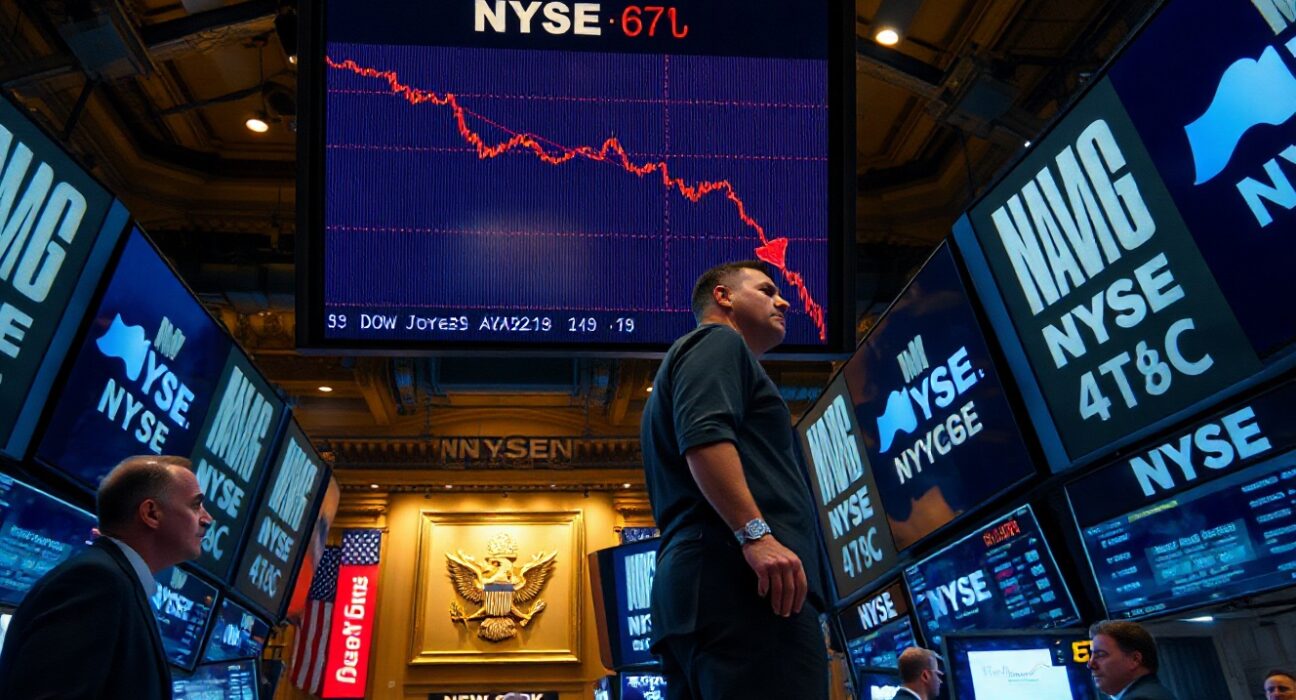
The Dow Jones Industrial Average experienced a sharp sell-off on Monday, as investors digested the sudden collapse of a widely watched ceasefire agreement. The market’s reaction underscored a growing realization that the fragile truce had been a key pillar supporting recent risk appetite, and its failure has exposed underlying vulnerabilities in investor confidence.
Ceasefire as a Market Anchor
For weeks, the prospect of a durable ceasefire had provided a floor under equities, encouraging a cautious optimism that geopolitical tensions were easing. The Dow had rallied on hopes that reduced conflict would stabilize energy prices, supply chains, and broader economic outlook. However, the breakdown of negotiations, marked by renewed hostilities over the weekend, reversed those gains in a single trading session.
Analysts noted that the ceasefire was effectively “load-bearing” for the market’s recent structure. Without it, the underlying risks that investors had been willing to overlook—persistent inflation, interest rate uncertainty, and slowing corporate earnings—returned to the forefront. The Dow’s decline was broad-based, with industrial and energy sectors particularly hard hit as supply disruption fears reignited.
Market Reaction and Volume Surge
Trading volume surged as institutional investors rushed to adjust positions. The Dow closed down more than 500 points, erasing the previous week’s gains. The CBOE Volatility Index (VIX), often referred to as the market’s fear gauge, spiked above 25, reflecting heightened anxiety.
“The market had priced in a continuation of the ceasefire as a baseline scenario,” said a senior market strategist at a major investment bank. “When that assumption broke, it forced a rapid repricing of risk across multiple asset classes. The Dow was the most visible casualty.”
Bond markets also reacted, with yields on 10-year Treasuries falling as investors sought safe-haven assets. The dollar strengthened against major currencies, further pressuring multinational corporations that rely on overseas revenue.
What This Means for Investors
The episode serves as a reminder that geopolitical developments can act as hidden supports—or triggers—for financial markets. For retail and institutional investors alike, the key takeaway is the importance of stress-testing portfolios against the sudden removal of such supports. Diversification across asset classes and geographies remains the most reliable hedge against tail risks of this nature.
Looking ahead, the market’s direction will depend on whether a new ceasefire can be negotiated, and how quickly. Until then, volatility is likely to remain elevated, and the Dow may face further tests of its recent lows.
Conclusion
The Dow Jones Industrial Average’s sharp decline following the ceasefire collapse reveals how deeply intertwined market sentiment and geopolitical stability have become. The sell-off was not merely a reaction to bad news, but a structural repricing of risk that had been masked by the truce. Investors should monitor diplomatic developments closely and prepare for continued turbulence as the situation evolves.
FAQs
Q1: Why did the Dow fall after the ceasefire collapsed?
The ceasefire had been a key factor supporting investor confidence. Its collapse removed that support, prompting a broad sell-off as markets repriced geopolitical risk.
Q2: Which sectors were most affected?
Industrial and energy sectors were hit hardest due to renewed concerns over supply chain disruptions and energy price volatility.
Q3: What should investors do in this environment?
Focus on diversification, review portfolio exposure to geopolitical risk, and consider defensive positions until the outlook becomes clearer.
Disclaimer: The information provided is not trading advice, Bitcoinworld.co.in holds no liability for any investments made based on the information provided on this page. We strongly recommend independent research and/or consultation with a qualified professional before making any investment decisions.
