

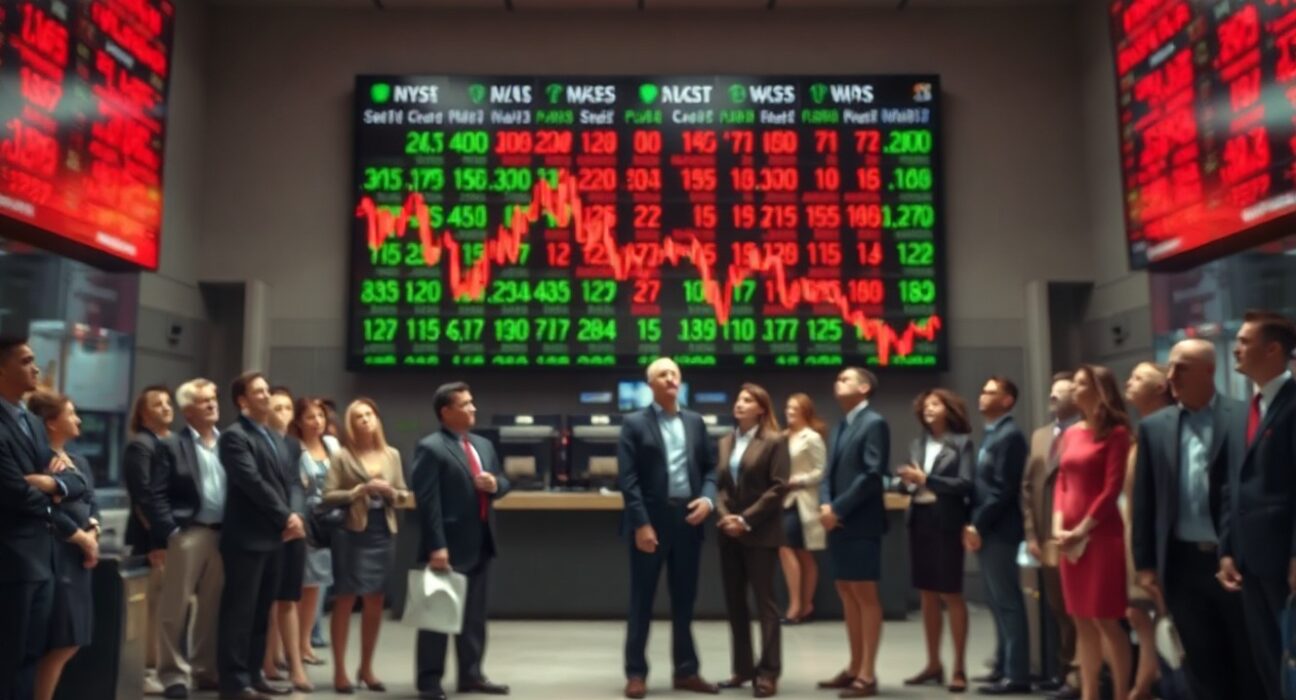
Dow Jones futures slipped in early trading as escalating US-Iran tensions and renewed fears of Federal Reserve rate hikes weighed on investor sentiment. The move reflects a cautious mood across global markets, with investors closely monitoring geopolitical developments and central bank policy signals.
Market Overview
Stock futures pointed to a lower open for the Dow Jones Industrial Average, as traders digested the latest headlines from the Middle East. The decline was broad-based, with technology and energy sectors among the most affected. As of this morning, futures on the S&P 500 and Nasdaq also traded lower, indicating a risk-off tone across the board.
The geopolitical backdrop remains fluid, and market participants are wary of potential supply disruptions in the energy sector. Oil prices have risen on the news, adding to inflationary concerns that could prompt the Fed to maintain a tighter monetary policy stance.
Impact of US-Iran Tensions
The latest round of US-Iran tensions has introduced a new layer of uncertainty for investors. While the direct economic impact is still being assessed, historical patterns suggest that such geopolitical events can lead to short-term market volatility, particularly in energy and defense stocks. Analysts are closely watching for any signs of escalation that could disrupt global supply chains or trade routes.
Rate Hike Fears
Adding to the pressure, recent comments from Federal Reserve officials have revived fears of further interest rate hikes. Stronger-than-expected economic data, including resilient labor market figures, have led some policymakers to signal that rates may need to stay higher for longer. This has weighed on equities, as higher borrowing costs tend to dampen corporate profits and consumer spending.
What This Means for Investors
For everyday investors, the combination of geopolitical risk and monetary policy uncertainty suggests a period of heightened volatility. It may be prudent to review portfolio diversification and consider defensive sectors that historically perform well during turbulent times. However, it is important to remember that market timing is difficult, and long-term investment strategies should remain focused on fundamental goals.
Conclusion
In summary, Dow Jones futures slipped as US-Iran tensions and rate hike fears weighed on sentiment. While the market’s reaction is understandable, investors should keep a close eye on upcoming economic data and geopolitical developments. The situation remains fluid, and further volatility is possible.
FAQs
Q1: What are Dow Jones futures?
Dow Jones futures are financial contracts that track the expected value of the Dow Jones Industrial Average at a future date. They allow investors to speculate on the market’s direction before the regular trading session opens.
Q2: How do US-Iran tensions affect the stock market?
US-Iran tensions can affect the stock market through increased oil prices, heightened geopolitical risk, and uncertainty about global stability. These factors can lead to investor caution and market sell-offs, especially in sectors directly exposed to the region.
Q3: Why do rate hike fears impact stock prices?
Rate hikes increase borrowing costs for companies and consumers, which can reduce corporate profits and consumer spending. As a result, higher interest rates often lead to lower stock valuations, prompting investors to sell equities.
Disclaimer: The information provided is not trading advice, Bitcoinworld.co.in holds no liability for any investments made based on the information provided on this page. We strongly recommend independent research and/or consultation with a qualified professional before making any investment decisions.
