

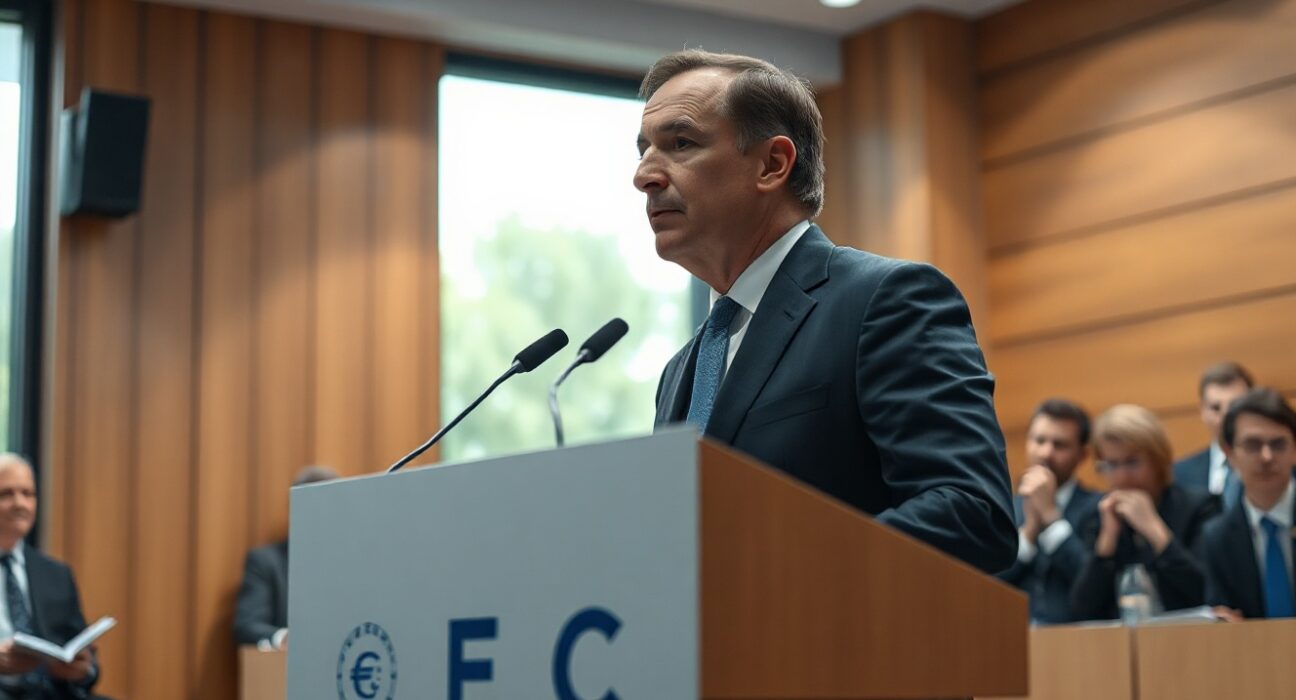
European Central Bank (ECB) board member José Luis Escriva has issued a fresh warning that rising energy costs are beginning to transmit into other sectors of the eurozone economy, a development that could keep inflation elevated for longer than previously anticipated. Speaking at a monetary policy forum in Frankfurt, Escriva noted that the initial energy price shock, which had largely been contained to fuel and electricity markets, is now showing signs of broadening into services and non-energy industrial goods.
Energy Pass-Through Gains Momentum
Escriva’s remarks come as the ECB grapples with the delicate balance between curbing inflation and avoiding a recession. The central bank has raised interest rates at a record pace over the past year, but the pass-through of energy costs into core inflation—which strips out volatile food and energy prices—complicates the outlook. “We are observing a gradual but persistent transmission of energy price increases into other cost components, particularly in transportation, logistics, and some consumer services,” Escriva stated, citing internal ECB analysis.
Data from Eurostat released earlier this month showed that eurozone inflation eased to 2.9% in October, but core inflation remained sticky at 4.2%. Escriva’s comments suggest that the ECB’s governing council may need to maintain a restrictive monetary policy stance for longer than markets currently expect. The warning aligns with similar concerns voiced by other ECB policymakers, including President Christine Lagarde, who has repeatedly emphasized the risk of second-round effects.
Implications for the Eurozone Economy
The spillover of energy inflation has direct implications for households and businesses. Higher transportation costs are feeding into retail prices, while rising electricity prices are pressuring manufacturing margins. Escriva highlighted that small and medium-sized enterprises (SMEs) are particularly vulnerable, as they have less pricing power and thinner margins than larger corporations.
Financial markets reacted cautiously to the news, with the euro edging higher against the dollar and bond yields ticking up slightly. Analysts at ING noted that Escriva’s comments reinforce the view that the ECB’s work on inflation is not yet done. “The pass-through dynamic is the key risk for 2024. If energy costs remain elevated, the ECB may be forced to keep rates higher for longer, which would further dampen economic growth,” said Carsten Brzeski, global head of macro at ING.
What This Means for Consumers
For eurozone consumers, the warning signals that relief at the pump and on energy bills may not immediately translate into lower overall living costs. Escriva pointed out that businesses are increasingly passing on higher input costs to customers, which could keep headline inflation above the ECB’s 2% target through 2024. The ECB’s latest staff projections, released in September, forecast inflation averaging 3.2% in 2024, but Escriva acknowledged that upside risks remain.
Conclusion
Escriva’s frank assessment underscores the complexity of the inflation challenge facing the ECB. While energy prices have moderated from their 2022 peaks, the lagged effects of previous increases are still working their way through the economy. Policymakers must now weigh the risk of tightening too much against the risk of easing prematurely. For investors, businesses, and households, the message is clear: the path back to price stability is likely to be bumpier and longer than initially hoped.
FAQs
Q1: What did ECB board member Escriva say about energy inflation?
Escriva warned that energy price increases are beginning to spill over into other sectors of the eurozone economy, such as services and non-energy industrial goods, which could keep inflation elevated for longer.
Q2: Why does energy inflation passing through to other sectors matter?
It matters because it suggests that inflation is becoming more broad-based and persistent, making it harder for the ECB to bring inflation back to its 2% target without keeping interest rates high for an extended period.
Q3: How might this affect ECB monetary policy?
Escriva’s comments reinforce the likelihood that the ECB will maintain a restrictive policy stance, potentially keeping interest rates at elevated levels through 2024, rather than cutting them as some markets had anticipated.
Disclaimer: The information provided is not trading advice, Bitcoinworld.co.in holds no liability for any investments made based on the information provided on this page. We strongly recommend independent research and/or consultation with a qualified professional before making any investment decisions.
