

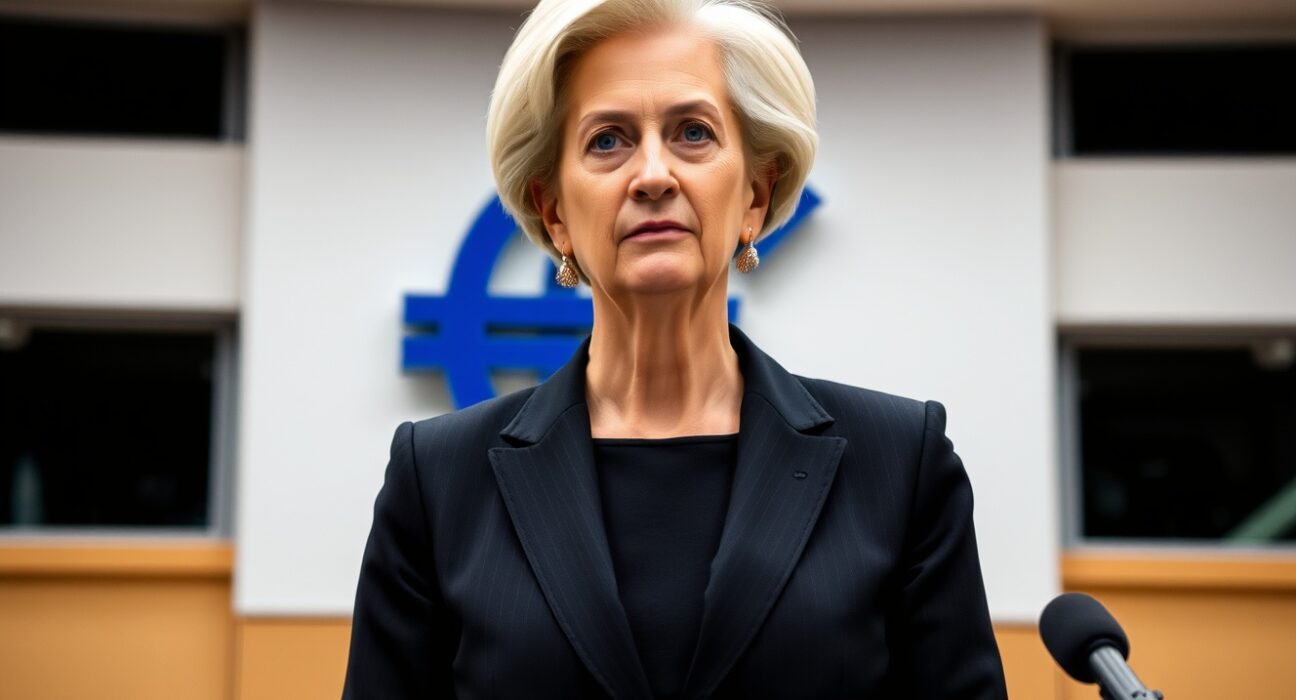
European Central Bank President Christine Lagarde has signaled that the institution is prepared to continue raising interest rates to combat persistent inflation, asserting that the eurozone economy can absorb further tightening without severe damage. Speaking at a recent event, Lagarde emphasized that the ECB’s primary mandate—price stability—remains non-negotiable, even as some member states face slowing growth.
Lagarde’s Stance: Inflation Fight Is Not Over
Lagarde’s comments come as the ECB navigates a delicate balancing act. While headline inflation in the eurozone has eased from its double-digit peaks, core inflation remains stubbornly above the bank’s 2% target. The president made clear that the governing council is not yet ready to declare victory. “We can raise rates further if needed, and we should not be afraid to do so,” she stated, reinforcing a hawkish tone that markets have been closely monitoring.
The ECB has already lifted its benchmark deposit rate to 4%, a historic high, following a series of aggressive hikes that began in July 2022. Lagarde’s latest remarks suggest that another increase at the next policy meeting remains a live option, depending on incoming data.
Why This Matters for the Eurozone Economy
The central bank’s resolve is being tested by a mixed economic picture. The eurozone narrowly avoided a recession in the first half of the year, but growth remains tepid, particularly in Germany, the bloc’s largest economy. Manufacturing output has contracted, and business confidence indicators have softened.
However, Lagarde argued that the labor market remains resilient, with unemployment at historic lows, and that wage growth is gradually catching up. She indicated that the ECB’s models show the economy can withstand further tightening without triggering a severe downturn. “The transmission of our policy is working, but we have not yet reached the terminal rate,” she said, suggesting that the peak of the tightening cycle may still be ahead.
Market and Consumer Implications
For investors, Lagarde’s comments reinforce expectations that interest rates will remain higher for longer. Bond yields in the eurozone have edged up, and the euro has strengthened modestly against the dollar. For consumers and businesses, the message is clear: borrowing costs—from mortgages to corporate loans—are unlikely to decline soon.
Higher rates are designed to cool demand and bring inflation down, but they also increase the cost of credit. Homeowners with variable-rate mortgages, particularly in countries like Spain and Italy, will face continued pressure. Small and medium-sized enterprises, which rely heavily on bank lending, may see tighter financing conditions.
Conclusion
Christine Lagarde’s latest remarks underscore the ECB’s unwavering commitment to price stability, even as economic headwinds intensify. The central bank is signaling that it is prepared to prioritize inflation control over short-term growth concerns, a stance that will likely define monetary policy through the remainder of the year. Market participants and consumers alike should brace for the possibility of further rate increases, as the ECB remains in data-dependent mode, watching core inflation and wage developments closely.
FAQs
Q1: Will the ECB definitely raise rates again?
Not necessarily. Lagarde emphasized that decisions are data-dependent. Another hike is possible if inflation data remains elevated, but the ECB could also pause if economic conditions deteriorate significantly.
Q2: How high could interest rates go?
The ECB has not provided a specific terminal rate forecast. Analysts estimate that the deposit rate could peak between 4.25% and 4.5%, depending on incoming inflation and wage data.
Q3: What does this mean for my mortgage or savings?
If the ECB raises rates further, variable-rate mortgage payments will increase. On the positive side, savings account and fixed-term deposit rates may also rise, offering better returns for savers.
Disclaimer: The information provided is not trading advice, Bitcoinworld.co.in holds no liability for any investments made based on the information provided on this page. We strongly recommend independent research and/or consultation with a qualified professional before making any investment decisions.
