

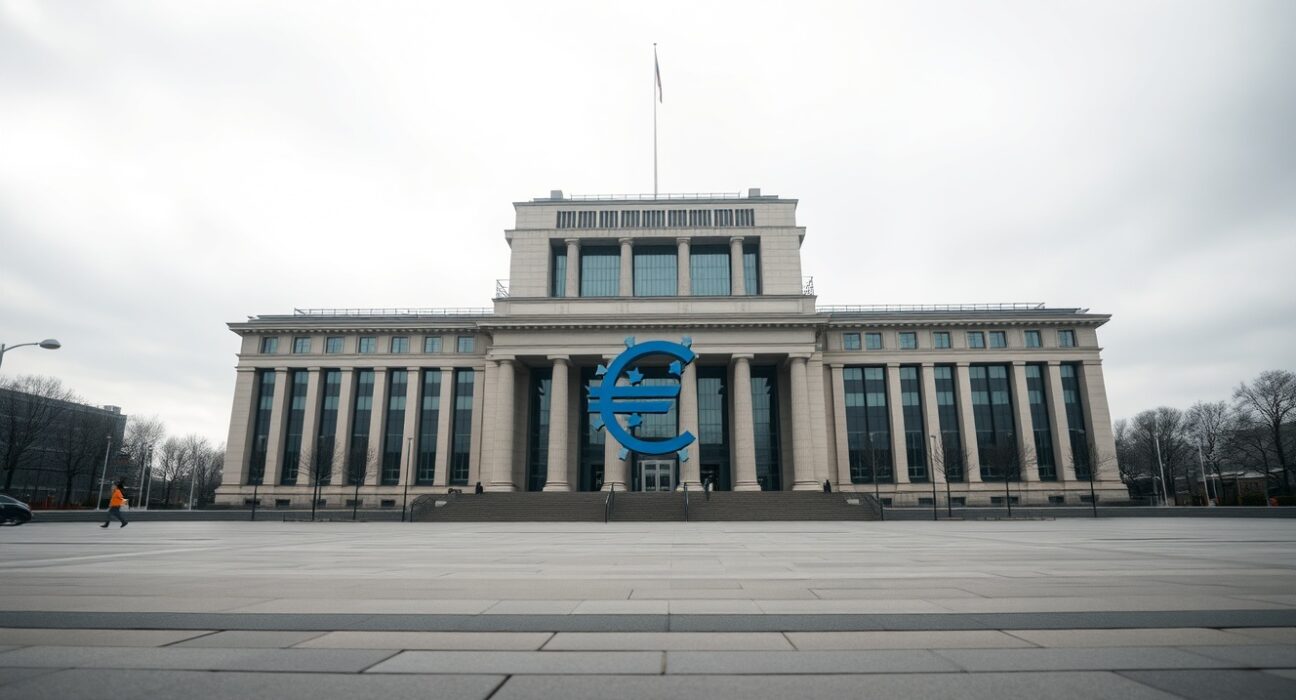
European Central Bank officials have confirmed that inflation across the Eurozone is expected to remain above the bank’s 2% target for a longer period than previously anticipated, signaling a prolonged period of tight monetary policy. The announcement, based on the latest internal forecasts and economic data, underscores persistent price pressures in the bloc’s largest economies.
Inflation Forecast Revised Upward
The ECB’s updated projections, discussed during recent policy meetings, indicate that inflation will not return to the target level until at least late 2025, with risks tilted to the upside. Key drivers include sticky services inflation, rising wage demands, and ongoing energy market volatility. Officials emphasized that the path to 2% is now expected to be slower, requiring interest rates to remain at restrictive levels for longer.
Implications for Interest Rates and Borrowing Costs
This confirmation directly impacts market expectations for ECB rate cuts. Investors had previously priced in a series of reductions starting mid-2024, but the new guidance suggests a more cautious approach. Higher-for-longer rates will maintain pressure on variable-rate mortgages, business loans, and government borrowing costs across the Eurozone. Households and businesses should prepare for sustained elevated borrowing costs.
What This Means for Consumers
For Eurozone consumers, the extended inflation outlook means that the cost of living will remain elevated for a longer period, particularly in housing, transportation, and services. Savings rates, while improving, may still lag behind inflation in real terms. Policymakers advise households to budget cautiously and monitor variable-rate debt.
ECB’s Communication Strategy
The ECB has shifted its communication to emphasize data dependency and patience, avoiding forward guidance on specific rate paths. This approach aims to manage market expectations without committing to a timeline that could be undermined by future data surprises. The central bank remains committed to its price stability mandate, even if it means tolerating a temporary economic slowdown.
Conclusion
The ECB’s confirmation that Eurozone inflation will stay above target for longer reinforces the likelihood of a delayed monetary easing cycle. This has broad implications for financial markets, fiscal policy, and household finances across the currency union. Investors and consumers should adjust their expectations accordingly, as the battle against inflation enters a more protracted phase.
FAQs
Q1: Why is Eurozone inflation staying above target for longer?
Persistent services inflation, strong wage growth, and energy price volatility are the main factors keeping inflation above the ECB’s 2% target.
Q2: How will this affect interest rates?
The ECB is expected to keep interest rates at their current high levels for longer, delaying any potential rate cuts until inflation shows a sustained decline toward the target.
Q3: What should consumers do in response?
Consumers should review their budgets, consider fixing mortgage rates if possible, and build emergency savings to cushion against prolonged high living costs.
Disclaimer: The information provided is not trading advice, Bitcoinworld.co.in holds no liability for any investments made based on the information provided on this page. We strongly recommend independent research and/or consultation with a qualified professional before making any investment decisions.
