

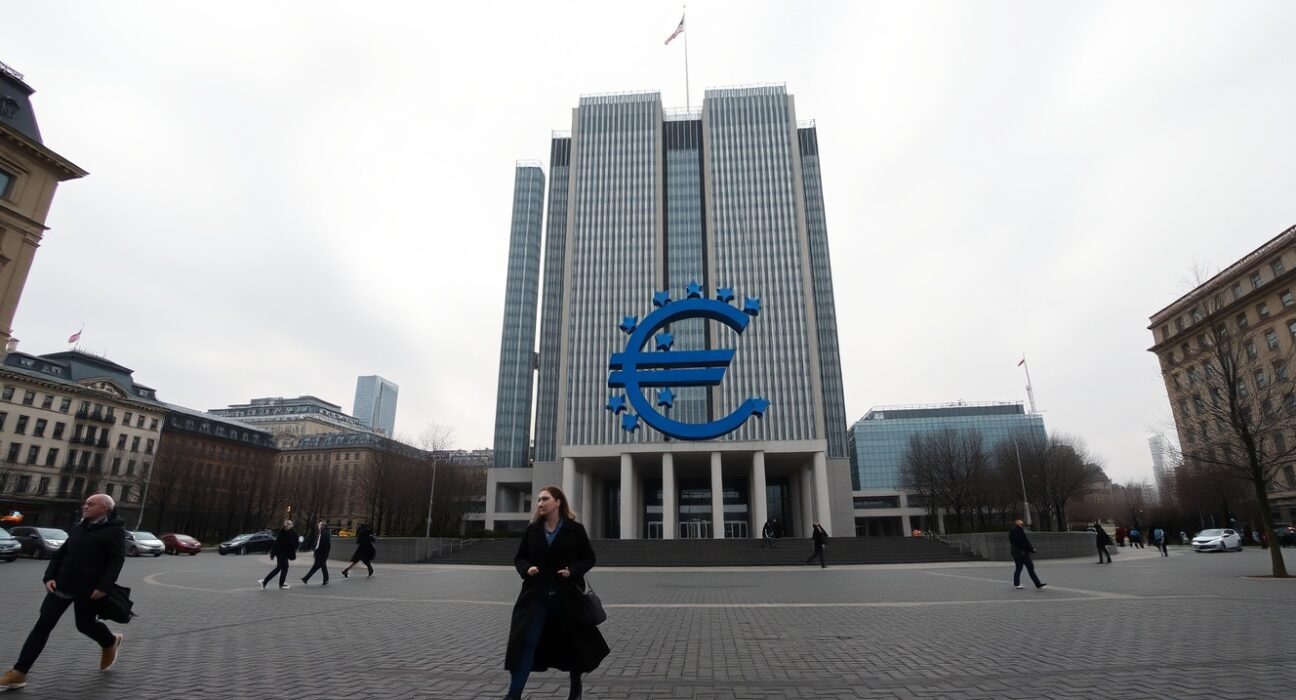
Analysts at ING have characterized potential interest rate increases by the European Central Bank (ECB) this summer as a form of insurance against lingering inflation pressures, rather than the start of a prolonged tightening cycle. The assessment comes as markets and policymakers debate the next steps for monetary policy in the eurozone.
ING’s View on the ECB’s Summer Path
In a recent note, ING economists suggested that any rate moves by the ECB in the coming months are likely to be limited and tactical. The primary goal would be to guard against the risk that inflation proves stickier than currently forecast, especially in the services sector and amid still-elevated wage growth. ING describes this approach as ‘insurance’ — a preemptive step to maintain credibility without committing to a series of aggressive hikes.
The analysis highlights that the ECB’s own projections show inflation gradually returning toward its 2% target by 2025. However, upside risks remain, including geopolitical tensions and potential supply chain disruptions. A modest rate increase this summer could serve as a signal that the Governing Council remains vigilant, without derailing the fragile economic recovery.
Market Context and Implications
The discussion around summer rate hikes occurs against a backdrop of mixed economic data. While headline inflation has fallen from its 2022 peaks, core inflation has proven more persistent. The eurozone economy has shown signs of stagnation, particularly in manufacturing, while the services sector continues to show resilience. This divergence complicates the ECB’s communication strategy.
ING’s insurance thesis suggests that the ECB may prioritize a cautious, data-dependent stance. A summer hike would likely be accompanied by dovish language, emphasizing that further moves are not pre-committed and will depend on incoming data. This approach aims to avoid triggering a sharp tightening of financial conditions that could harm growth.
What This Means for Investors and Consumers
For bond markets, an insurance-style hike could lead to a flattening of the yield curve, as short-term rates rise modestly while long-term expectations remain anchored. For consumers and businesses, the impact would be relatively muted compared to a full-blown tightening cycle. Mortgage rates and corporate borrowing costs might see a slight uptick, but not the dramatic increases witnessed in 2022-2023.
The key takeaway is that the ECB is likely to err on the side of caution. ING’s analysis underscores that the central bank is more concerned about losing control of inflation expectations than about a mild overshoot of its target. The summer months will provide critical data points on wage negotiations and services inflation, which will ultimately determine whether this insurance policy is needed.
Conclusion
ING’s characterization of potential ECB summer rate hikes as insurance rather than a cycle offers a nuanced perspective on the central bank’s likely path. It reflects a balancing act between managing inflation risks and supporting a still-fragile eurozone economy. Markets should prepare for the possibility of a modest, well-communicated move rather than a series of aggressive actions. The final decision will hinge on economic data in the weeks ahead.
FAQs
Q1: What does ING mean by ‘insurance’ rate hikes?
ING suggests the ECB might raise rates modestly this summer as a precaution against persistent inflation, not as the start of a long tightening cycle. The goal is to maintain credibility without committing to further increases.
Q2: How would a summer rate hike affect eurozone consumers?
The impact would likely be limited. Borrowing costs for mortgages and loans could rise slightly, but the move would be smaller and less consequential than the aggressive hikes seen in 2022-2023.
Q3: What data will the ECB watch most closely?
The ECB will focus on core inflation, services prices, wage growth, and economic growth data. Signs of persistent inflation in these areas could trigger the insurance hike, while weak growth might delay it.
Disclaimer: The information provided is not trading advice, Bitcoinworld.co.in holds no liability for any investments made based on the information provided on this page. We strongly recommend independent research and/or consultation with a qualified professional before making any investment decisions.
