

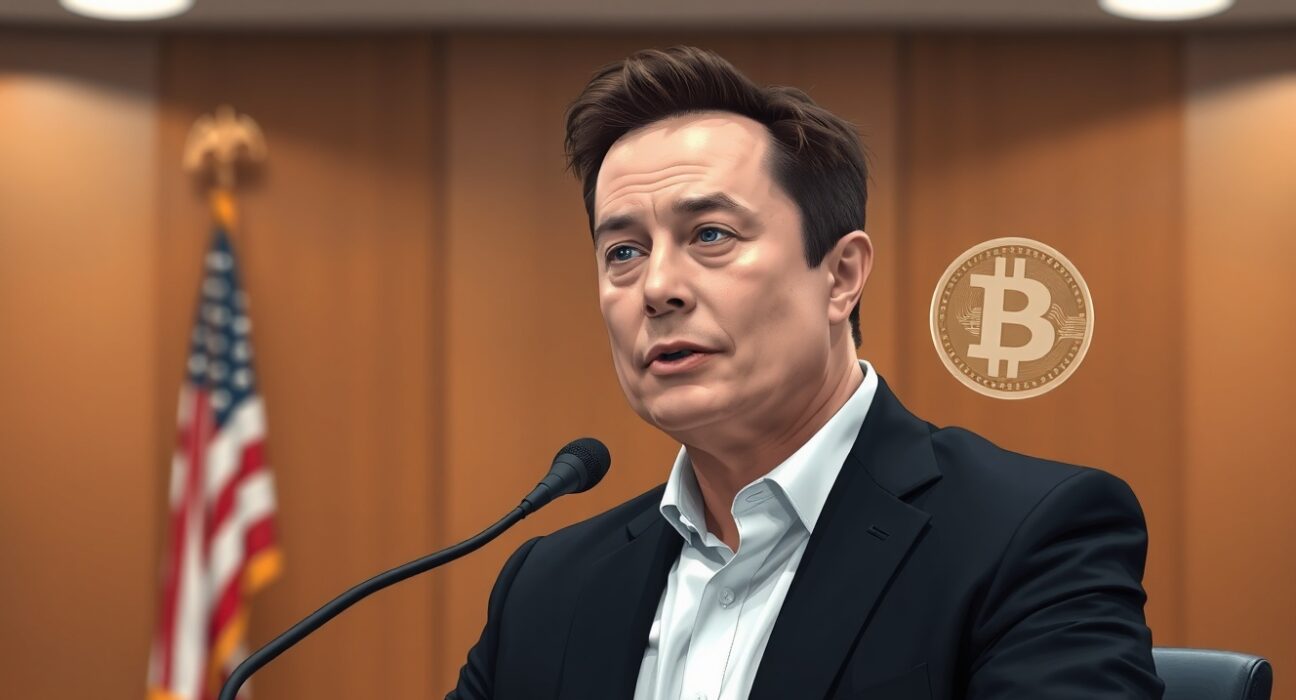
Elon Musk, the CEO of Tesla and SpaceX, has made a startling revelation about his stance on cryptocurrency. In recent testimony from his ongoing lawsuit against OpenAI, Musk stated that he likes Bitcoin but believes most cryptocurrencies are scams. This statement, reported by Fortune magazine, has sent ripples through the digital asset world.
Elon Musk Bitcoin: A Complex Relationship
Musk’s relationship with Bitcoin has always been complex. He has previously invested heavily in the cryptocurrency. Tesla purchased $1.5 billion worth of Bitcoin in early 2021. This move significantly boosted Bitcoin’s price and mainstream adoption. However, Musk later reversed Tesla’s acceptance of Bitcoin as payment due to environmental concerns about mining energy use.
Now, his latest testimony adds a new layer. He specifically distinguishes Bitcoin from the broader crypto market. He calls the vast majority of other digital tokens “scams.” This is a powerful statement from one of the world’s most influential tech leaders.
What Does This Mean for the Crypto Market?
Musk’s words carry immense weight. His tweets have historically moved markets. A single post from him can send Dogecoin soaring or crashing. His latest declaration could trigger a sell-off in smaller altcoins. Conversely, it might strengthen Bitcoin’s position as the only legitimate digital asset in his eyes.
Experts are divided. Some see this as a validation of Bitcoin’s unique value proposition. Others worry it could damage the entire industry’s reputation. The crypto market is already facing intense regulatory scrutiny. Musk’s comments add fuel to the fire.
Musk Testimony: The OpenAI Lawsuit Context
The testimony emerged from a legal battle between Musk and OpenAI. Musk co-founded OpenAI but later left the company. He now alleges that OpenAI has deviated from its original non-profit mission. The lawsuit focuses on artificial intelligence, not cryptocurrency. However, Musk’s offhand comments about crypto have stolen the spotlight.
Legal analysts note that Musk’s statements are not part of the core lawsuit. Yet, they are admissible as evidence of his views. The court may use them to assess his credibility or motives. For the public, they offer a rare, unfiltered glimpse into Musk’s personal beliefs.
Timeline of Musk’s Crypto Comments
- 2021: Tesla buys $1.5B in Bitcoin. Musk calls Bitcoin a “good thing.”
- 2021: Tesla stops accepting Bitcoin over energy concerns.
- 2022: Musk tweets support for Dogecoin, calling it “people’s crypto.”
- 2023: Musk hints at integrating crypto payments into Twitter (now X).
- 2024: Musk testifies in OpenAI lawsuit, calling most crypto a scam.
Bitcoin News: A Safe Haven or a Risky Bet?
Bitcoin has often been called “digital gold.” Its proponents argue it is a hedge against inflation. They point to its fixed supply of 21 million coins. Musk’s endorsement reinforces this narrative. He clearly sees value in Bitcoin’s decentralized network and security.
However, Bitcoin is not without risks. Its price remains highly volatile. Regulatory crackdowns in the US and China pose threats. Environmental concerns also persist. Musk himself cited these issues when Tesla stopped accepting Bitcoin payments.
Despite these challenges, Bitcoin continues to attract institutional investors. Major companies like MicroStrategy and Square hold large Bitcoin reserves. Musk’s testimony may encourage more cautious investors to follow suit.
Cryptocurrency Scams: The Dark Side of Digital Assets
Musk’s claim that most crypto is a scam is not unfounded. The crypto industry has seen countless frauds. High-profile examples include the FTX collapse and the Terra Luna crash. Scammers use fake tokens, Ponzi schemes, and rug pulls to steal billions from investors.
According to the Federal Trade Commission, crypto scams cost Americans over $1 billion in 2023 alone. Common scams include:
- Fake investment platforms promising unrealistic returns.
- Phishing attacks targeting wallet keys.
- Pump-and-dump schemes on low-cap tokens.
- Impersonation scams using Musk’s own image to promote fake giveaways.
Musk himself has been a victim of impersonation. Scammers often create fake Twitter accounts using his name. They promise to double Bitcoin sent to a wallet. These scams have cost victims millions.
How to Identify a Crypto Scam
Experts recommend several red flags. First, if an offer sounds too good to be true, it likely is. Second, legitimate projects have transparent teams and whitepapers. Third, avoid tokens that guarantee profits or use aggressive marketing. Finally, never share your private keys or seed phrases.
Musk’s warning may help educate new investors. His massive platform can spread awareness about the risks. This could reduce the number of people falling victim to scams.
Impact on Tesla and Musk’s Business Empire
Musk’s comments also affect his own companies. Tesla still holds a significant amount of Bitcoin on its balance sheet. A negative view of crypto could hurt Tesla’s brand among crypto enthusiasts. Conversely, it might appeal to traditional investors who view crypto skeptically.
Musk’s other ventures, like X (formerly Twitter), are also involved in crypto. X has integrated Bitcoin tipping and is exploring payment features. Musk’s testimony may signal a shift in strategy. He might prioritize Bitcoin over other tokens for X’s payment system.
Shareholders will watch closely. Any change in Musk’s crypto stance could impact stock prices. Tesla’s stock has already been volatile due to Musk’s unpredictable behavior.
Expert Opinions on Musk’s Statement
Financial analysts have weighed in on Musk’s testimony. Some agree with his assessment. They argue that 99% of cryptocurrencies will eventually go to zero. Others believe Musk is being too harsh. They point to the innovation in DeFi, NFTs, and blockchain technology.
“Musk is a visionary, but he is not infallible,” says Dr. Emily Carter, a blockchain researcher at MIT. “His views reflect a common bias toward assets he owns. He holds Bitcoin, so he defends it. He does not hold most altcoins, so he dismisses them.”
Other experts note that Musk’s opinion is just one data point. The crypto market is driven by technology, adoption, and regulation. No single person can determine its fate. However, Musk’s influence on retail investors is undeniable.
Conclusion
Elon Musk’s testimony that he likes Bitcoin but calls most crypto a scam is a major moment for the industry. It reinforces Bitcoin’s status as the leading digital asset. It also highlights the pervasive problem of scams in the crypto space. Investors should heed Musk’s warning while conducting their own research. The future of cryptocurrency remains uncertain, but Musk’s words will echo for years to come.
FAQs
Q1: Why does Elon Musk like Bitcoin but call other crypto a scam?
Musk believes Bitcoin has intrinsic value due to its network security and limited supply. He views most other tokens as lacking real utility or being designed to defraud investors.
Q2: Did Musk’s testimony affect Bitcoin’s price?
Bitcoin’s price saw a slight increase following the news, as investors interpreted Musk’s support as a positive signal. Altcoins, however, experienced minor sell-offs.
Q3: What specific crypto scams did Musk reference?
Musk did not name specific tokens. He broadly referred to the prevalence of pump-and-dump schemes, fake ICOs, and impersonation scams that plague the industry.
Q4: How does Musk’s testimony impact the OpenAI lawsuit?
The testimony is not central to the lawsuit’s core issues about AI governance. However, it provides context about Musk’s worldview and may influence the judge’s perception of his character.
Q5: Should I sell my altcoins after Musk’s comments?
Investors should make decisions based on their own research, not a single comment. Musk’s opinion is influential but not definitive. Diversification and due diligence remain key.
Disclaimer: The information provided is not trading advice, Bitcoinworld.co.in holds no liability for any investments made based on the information provided on this page. We strongly recommend independent research and/or consultation with a qualified professional before making any investment decisions.
