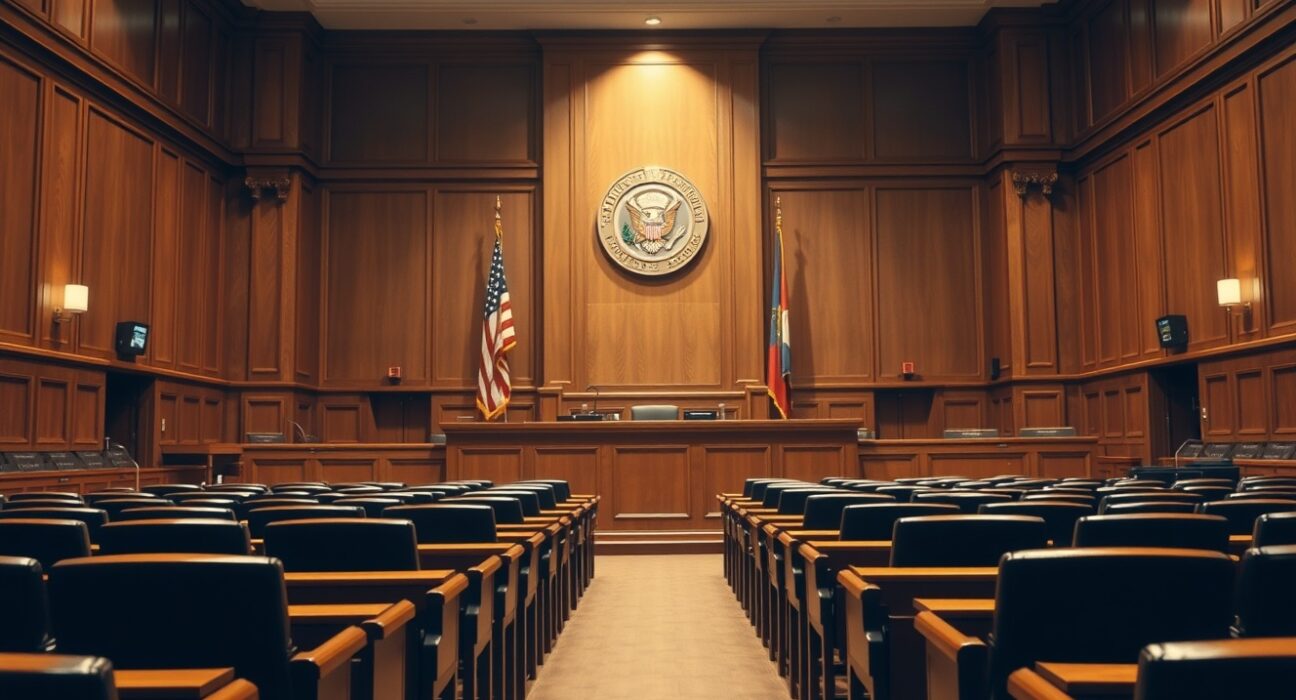
A California jury has delivered a unanimous verdict against Elon Musk, rejecting his claim that OpenAI and its cofounders, Sam Altman and Greg Brockman, betrayed the lab’s original nonprofit mission by creating a for-profit arm. The nine jurors found that Musk’s lawsuit was filed too late under the statute of limitations, effectively ending one of the most closely watched legal battles in the tech industry.
Narrow Legal Question Decides the Case
The trial, which featured testimony from some of Silicon Valley’s most prominent figures, ultimately turned on a procedural question: when did Musk suffer the harm he alleged? Jurors concluded that any promises broken by Altman and OpenAI occurred before the legal deadline for filing such claims. Judge Yvonne Gonzalez Rogers noted after the verdict that there was substantial evidence supporting the jury’s finding, adding that she was prepared to dismiss the case on the spot.
Musk, who cofounded OpenAI in 2015 as a nonprofit dedicated to safe artificial intelligence, accused the defendants of “stealing a charity” by transitioning to a capped-profit model and eventually launching a for-profit subsidiary. The lawsuit sought to unwind OpenAI’s corporate structure and block its reported plans for an initial public offering.
Implications for OpenAI and the AI Industry
The verdict removes a significant legal cloud over OpenAI’s future. With the lawsuit resolved, the company can move forward with its restructuring and potential IPO without the threat of court-ordered changes to its governance. This development is likely to reassure investors and partners who had been watching the case closely.
The case also highlights the ongoing tension in the AI sector between nonprofit ideals and commercial realities. OpenAI’s evolution from a research-focused nonprofit to a multibillion-dollar enterprise has been a flashpoint for debate about how to balance safety, transparency, and profitability in advanced AI development.
What This Means for Musk and Future Litigation
While Musk has lost this round, the broader legal and regulatory landscape for AI companies remains uncertain. The case did not address the merits of whether OpenAI violated its original mission, leaving the door open for future challenges from other parties or regulators. Musk’s legal team has not indicated whether they will appeal.
Conclusion
The jury’s decision brings a definitive close to a high-profile lawsuit that had captivated the tech world. For OpenAI, the verdict clears a major hurdle ahead of its IPO. For the AI industry, it serves as a reminder that legal battles over corporate mission and structure are likely to continue as the technology matures.
FAQs
Q1: Why did the jury rule against Elon Musk?
The jury found that Musk’s claims were filed after the statute of limitations had expired. Any harm he allegedly suffered occurred before the legal deadline to sue.
Q2: What was Musk’s main argument in the lawsuit?
Musk argued that OpenAI’s cofounders broke promises to keep the lab a nonprofit focused on safe AI, instead creating a for-profit structure that benefited them financially.
Q3: How does this verdict affect OpenAI’s IPO plans?
The verdict removes a major legal threat to OpenAI’s restructuring and potential IPO, allowing the company to proceed without the risk of court-ordered changes to its corporate structure.
Disclaimer: The information provided is not trading advice, Bitcoinworld.co.in holds no liability for any investments made based on the information provided on this page. We strongly recommend independent research and/or consultation with a qualified professional before making any investment decisions.