

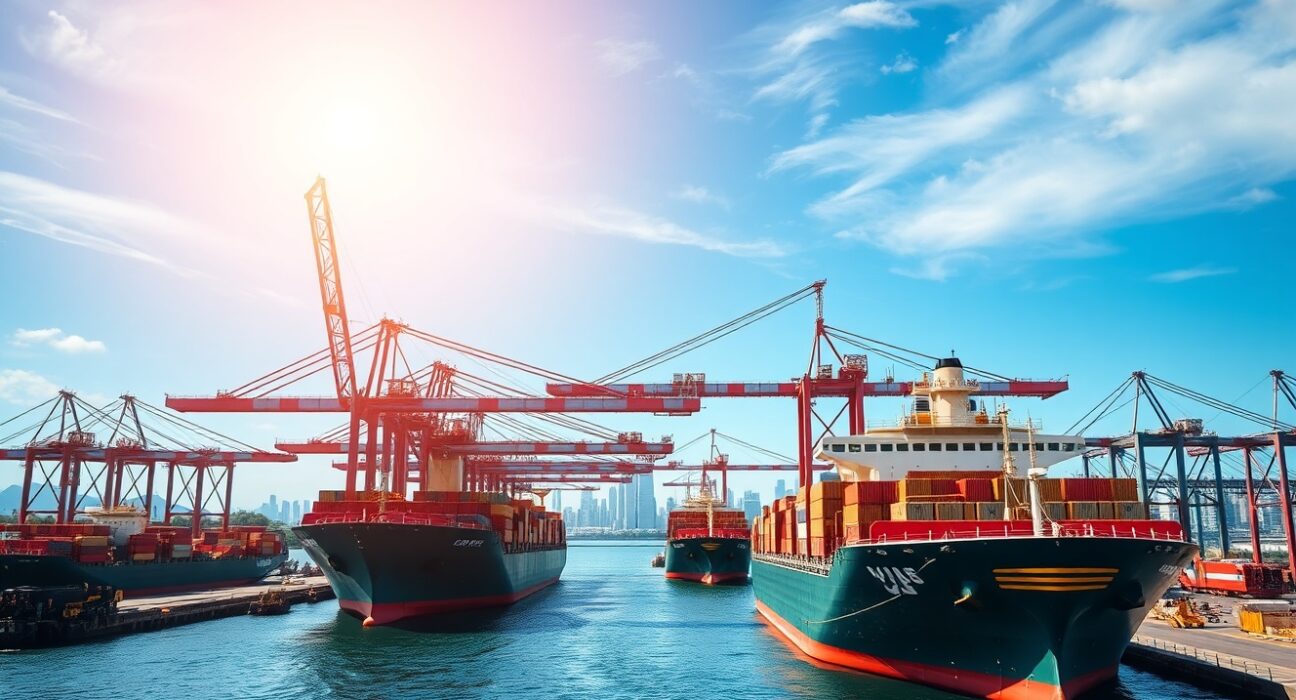
Emerging economies are weathering the global energy shock more effectively than many analysts initially anticipated, according to recent economic data and market indicators. While high energy prices have strained budgets worldwide, several developing nations have demonstrated unexpected stability, leveraging diversified trade partnerships and domestic energy resources to cushion the impact.
Resilience Through Diversification
The current energy crisis, triggered by geopolitical tensions and supply chain disruptions, has posed significant challenges for both developed and developing nations. However, emerging economies—particularly those in Asia and Latin America—have shown notable resilience. Countries like India, Indonesia, and Brazil have benefited from a combination of strategic fuel reserves, increased domestic energy production, and stronger bilateral trade agreements that have mitigated the worst effects of price volatility.
According to data from the International Monetary Fund, many emerging markets have maintained stable growth rates, with inflation pressures remaining lower than in some advanced economies. This suggests that structural reforms and fiscal prudence adopted in recent years are paying dividends.
Key Factors Behind the Stability
Several factors have contributed to this unexpected stability. First, many emerging economies have reduced their reliance on imported fossil fuels by investing in renewable energy sources, such as solar and wind power. Second, stronger commodity prices have boosted export revenues for resource-rich nations, providing a fiscal buffer. Third, improved monetary policy frameworks have helped central banks manage inflation without triggering sharp economic downturns.
Analysts note that the situation remains fluid, with risks from potential new supply shocks and global interest rate hikes. However, the overall picture is more positive than earlier forecasts had suggested.
What This Means for Investors and Policymakers
For investors, the relative stability of emerging markets presents both opportunities and cautions. While the short-term outlook appears favorable, long-term challenges—including debt sustainability and climate transition costs—remain significant. Policymakers in these nations are now focusing on maintaining fiscal discipline while continuing to invest in infrastructure and energy transition projects.
Conclusion
Emerging economies have so far demonstrated a robust ability to absorb the shocks of the global energy crisis, thanks to diversified energy strategies, stronger fiscal positions, and adaptive policy responses. While risks persist, the data indicates a period of relative stability that could provide a foundation for sustained growth. Continued monitoring of global energy markets and domestic policy adjustments will be essential to maintaining this trajectory.
FAQs
Q1: Why are emerging economies weathering the energy shock better than expected?
They have diversified energy sources, increased domestic production, and stronger trade partnerships that reduce vulnerability to price spikes.
Q2: Which emerging economies are showing the most resilience?
Countries like India, Indonesia, and Brazil have demonstrated notable stability due to their energy strategies and fiscal policies.
Q3: What are the main risks to this stability going forward?
Potential new supply shocks, global interest rate hikes, and long-term debt sustainability remain key concerns.
Disclaimer: The information provided is not trading advice, Bitcoinworld.co.in holds no liability for any investments made based on the information provided on this page. We strongly recommend independent research and/or consultation with a qualified professional before making any investment decisions.
