

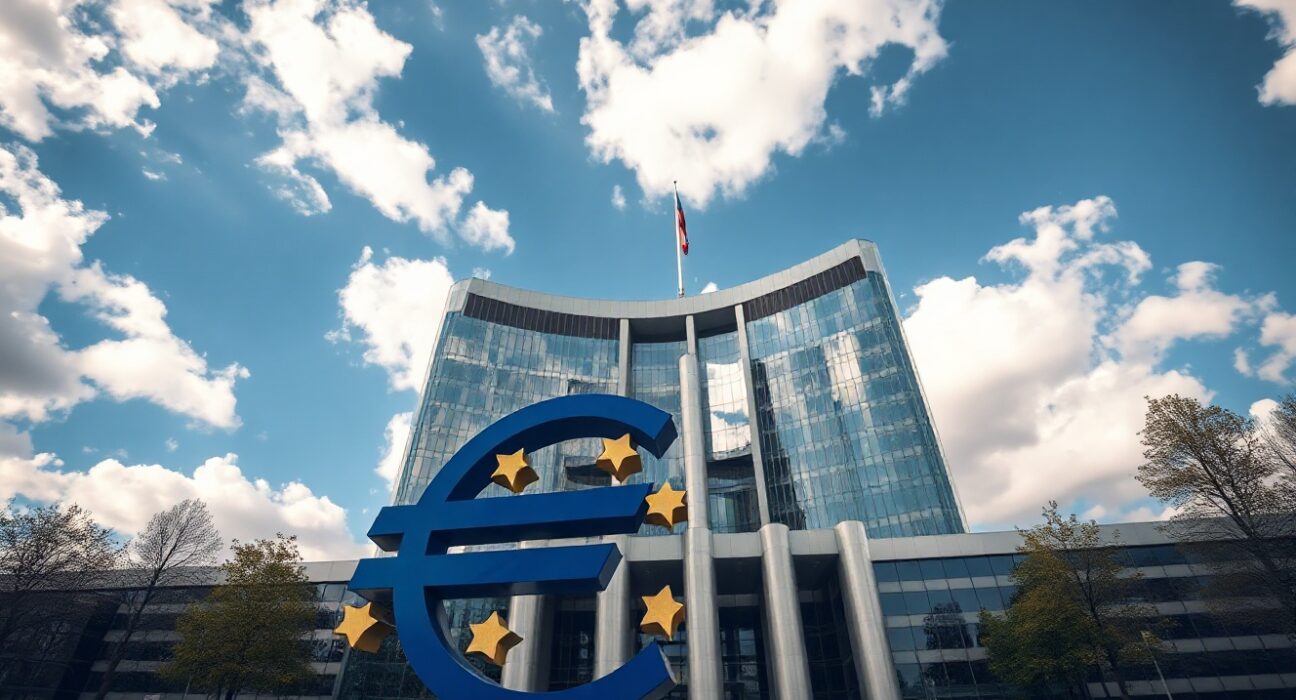
The euro weakened against major currencies on Thursday after the European Central Bank (ECB) raised its key interest rate by 25 basis points, as widely expected. The single currency fell to $1.0825, down 0.4% on the day, as markets digested the central bank’s decision and its accompanying policy statement.
ECB’s Decision in Context
The ECB’s Governing Council, meeting in Frankfurt, decided to increase the deposit facility rate to 3.75%, the highest level since 2001. This marks the ninth consecutive rate hike in the central bank’s battle against inflation, which remains stubbornly above its 2% target. The main refinancing rate now stands at 4.25%.
While the move was largely anticipated by financial markets, the euro’s decline suggests that some investors had hoped for a more hawkish tone from ECB President Christine Lagarde during her press conference. Instead, Lagarde emphasized that future decisions will remain data-dependent, leaving the door open for a potential pause in September.
Why the Euro Fell
Currency markets often move on the gap between expectations and reality. In this case, the euro’s dip can be attributed to two key factors:
- Dovish undertones: Lagarde’s cautious language about the economic outlook, particularly regarding weak manufacturing data and slowing growth in Germany, dampened enthusiasm for further aggressive tightening.
- Rate differentials: The Federal Reserve is expected to hold rates steady or potentially cut later this year, but the ECB’s relatively softer stance compared to the Fed’s recent signals made the dollar more attractive in comparison.
Traders also noted that the euro had rallied in the days leading up to the decision, meaning some profit-taking occurred after the announcement.
Impact on Consumers and Businesses
For European consumers, the rate hike means higher borrowing costs for mortgages, car loans, and credit cards. However, savers may see slightly better returns on deposits as banks pass on some of the increase. For businesses, particularly exporters, a weaker euro is a double-edged sword: it makes European goods cheaper abroad, supporting sales, but also raises the cost of imported raw materials and energy, which can feed into inflation.
The ECB’s decision also affects global markets. A weaker euro tends to strengthen the US dollar, which can put pressure on emerging market currencies and commodities priced in dollars, such as oil and gold.
What’s Next for the ECB?
Economists are divided on the ECB’s next move. Some expect one final quarter-point hike in September, while others believe the central bank has reached the peak of its tightening cycle. Key data points to watch include the July inflation report, due at the end of the month, and the next round of economic projections in September.
Lagarde reiterated that the ECB is not pre-committing to a particular rate path, but the tone of the statement suggested a growing concern about the economic slowdown. The euro’s reaction reflects this uncertainty.
Conclusion
The ECB’s rate hike was a predictable step in its fight against inflation, but the euro’s decline highlights the market’s focus on the central bank’s cautious outlook. With inflation still above target and growth weakening, the ECB faces a delicate balancing act. For now, the euro remains sensitive to every word from Frankfurt, and traders will be watching closely for clues about the next move.
FAQs
Q1: Why did the euro fall after the ECB raised rates?
The euro fell because the ECB’s accompanying statement and President Lagarde’s comments were seen as less hawkish than some investors expected, signaling a possible pause in rate hikes. Markets also engaged in profit-taking after the euro’s recent gains.
Q2: How does the ECB rate hike affect my savings and loans?
Banks may increase interest rates on savings accounts and deposits, but they also raise rates on variable-rate mortgages, personal loans, and credit cards. Borrowers should expect higher monthly payments, while savers may see modestly better returns.
Q3: Will the ECB continue raising rates?
The ECB has not committed to further hikes. Future decisions will depend on incoming economic data, particularly inflation figures and growth indicators. Many analysts expect at most one more small increase, if any.
Disclaimer: The information provided is not trading advice, Bitcoinworld.co.in holds no liability for any investments made based on the information provided on this page. We strongly recommend independent research and/or consultation with a qualified professional before making any investment decisions.
