

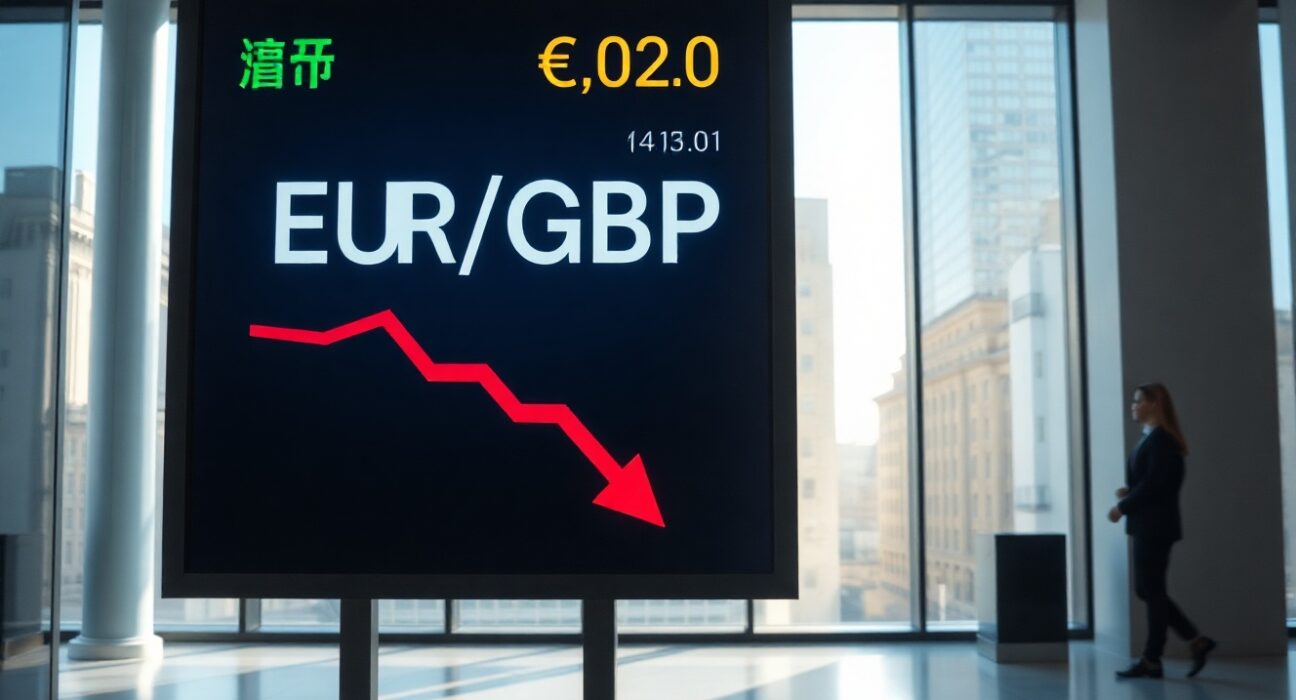
The Euro remained under pressure against the British Pound on Tuesday, holding onto earlier losses following the release of weaker-than-expected retail sales data from Germany. The single currency failed to recover ground as traders digested the implications of subdued consumer spending in the Eurozone’s largest economy.
German Retail Sales Miss Expectations
Germany’s retail sales figures for the reported period came in below market forecasts, signaling ongoing caution among consumers. The data, adjusted for inflation and calendar effects, showed a month-on-month decline that surprised analysts who had anticipated modest growth. This added to the narrative of a sluggish economic recovery in Germany, which has weighed on the Euro in recent sessions.
The disappointing numbers reinforce concerns about the health of the German economy, which has struggled with weak industrial output, elevated energy costs, and cautious consumer sentiment. For the Euro, this data point reduces the likelihood of a near-term shift toward tighter monetary policy by the European Central Bank, as policymakers remain focused on supporting growth.
Pound Gains on Divergent Economic Outlook
In contrast, the British Pound has found support from a relatively more resilient UK economic picture, including stronger wage growth and persistent inflation that keeps the Bank of England in a tightening bias. While the BoE has also faced challenges, the relative economic performance between the UK and the Eurozone has favored Sterling in recent trading.
The EUR/GBP pair dipped to session lows after the German data release, with the Euro struggling to regain the 0.8500 level. Traders are now watching for further Eurozone economic indicators this week, including inflation data from Germany and the broader bloc, which could provide additional direction.
What This Means for Traders and Businesses
For forex traders, the divergence between Eurozone and UK economic data continues to drive short-term momentum in the cross. Businesses with exposure to both currencies should monitor upcoming data releases closely, as any further weakness in German consumption could extend the Euro’s losses. The lack of a strong catalyst for Euro recovery suggests the pair may remain under pressure in the near term.
Conclusion
The Euro’s inability to rebound after disappointing German retail sales data underscores the currency’s sensitivity to the region’s economic fundamentals. With the UK economy showing relative resilience, the Pound is likely to maintain its advantage unless Eurozone data surprises to the upside. Traders will focus on upcoming inflation prints for the next major test of sentiment.
FAQs
Q1: Why did the Euro fall after German retail sales data?
German retail sales missed expectations, indicating weak consumer spending. This is negative for the Euro because it suggests the Eurozone’s largest economy is struggling, reducing the case for tighter ECB policy and dampening investor confidence.
Q2: How does German economic data affect the EUR/GBP exchange rate?
Germany is the Eurozone’s largest economy, so its data heavily influences the Euro’s value. Weak German data tends to weaken the Euro against the Pound, especially when UK economic data is comparatively stronger.
Q3: What should forex traders watch next for EUR/GBP?
Traders should monitor upcoming German and Eurozone inflation data, as well as any comments from ECB or BoE officials. A significant miss in inflation could further pressure the Euro, while stronger data could trigger a recovery.
Disclaimer: The information provided is not trading advice, Bitcoinworld.co.in holds no liability for any investments made based on the information provided on this page. We strongly recommend independent research and/or consultation with a qualified professional before making any investment decisions.
