

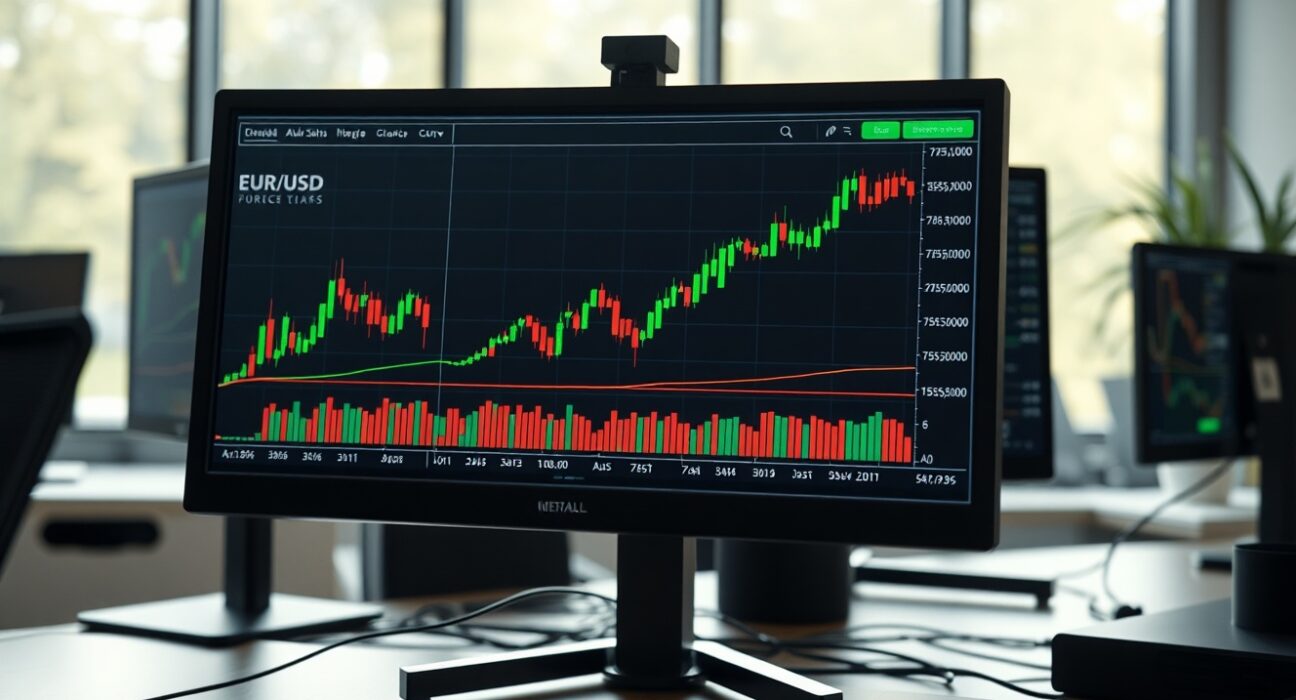
The euro continued its upward momentum on Friday, climbing further beyond the 1.1400 mark against the US dollar, as the greenback softened across the board. Traders are now squarely focused on the upcoming US Nonfarm Payrolls (NFP) report, which is expected to provide fresh direction for the currency pair.
Dollar Weakness Fuels Euro’s Ascent
The single currency has been on a steady rise this week, driven primarily by a broad-based weakening of the US dollar. Market sentiment has shifted as expectations grow that the Federal Reserve may be nearing the end of its aggressive rate-hiking cycle. Recent economic data, including softer-than-expected manufacturing and services PMI figures, have reinforced this view, prompting investors to reduce their long-dollar positions.
The EUR/USD pair has now broken through the psychologically important 1.1400 level, a threshold that had acted as resistance in recent sessions. Technical analysts point to the next key resistance zone near 1.1450, with a potential move toward 1.1500 if the dollar weakness persists.
NFP Report in Focus
All eyes are on the US Bureau of Labor Statistics’ monthly employment report, due later today. The NFP data is one of the most closely watched economic indicators, offering critical insight into the health of the US labor market and the broader economy.
Economists surveyed by Bloomberg expect the US economy to have added 200,000 jobs in the latest month, with the unemployment rate holding steady at 3.7%. Average hourly earnings are forecast to rise 0.3% month-over-month, a figure that will be scrutinized for signs of persistent wage inflation.
A strong jobs report could revive expectations for further Fed tightening, potentially halting the dollar’s recent slide and capping the euro’s gains. Conversely, a weak print would likely reinforce the narrative of a slowing economy, pushing the dollar lower and extending the EUR/USD rally.
Market Implications and Outlook
The outcome of the NFP report will have implications beyond the forex market. A disappointing number could fuel risk-on sentiment, benefiting equities and emerging market currencies, while a strong reading might trigger a flight to safety. For euro traders, the key is whether the pair can sustain its position above 1.1400, which would signal a potential shift in the medium-term trend.
European Central Bank (ECB) policy remains another factor. The ECB has maintained a hawkish stance, with President Christine Lagarde reiterating the need for further rate hikes to combat inflation. This divergence in monetary policy expectations between the ECB and the Fed has been a supportive factor for the euro.
Conclusion
The euro’s climb above 1.1400 reflects a clear shift in market dynamics, with the dollar under pressure ahead of a pivotal US jobs report. The NFP data will be the defining event for the session, likely determining the near-term trajectory of the EUR/USD pair. Traders should brace for increased volatility as the numbers are released.
FAQs
Q1: Why is the euro rising against the US dollar?
The euro is rising primarily due to a weakening US dollar, driven by growing market expectations that the Federal Reserve may soon pause its interest rate hiking cycle. Recent softer US economic data has reinforced this view.
Q2: What is the significance of the 1.1400 level for EUR/USD?
The 1.1400 level is a psychologically important resistance point. Breaking and holding above it signals bullish momentum and could open the path toward the next resistance levels at 1.1450 and 1.1500.
Q3: How could the US Nonfarm Payrolls report affect the euro?
A strong NFP report could boost the US dollar by reviving expectations for further Fed tightening, potentially pushing EUR/USD lower. A weak report would likely weaken the dollar further, supporting the euro’s rally.
Disclaimer: The information provided is not trading advice, Bitcoinworld.co.in holds no liability for any investments made based on the information provided on this page. We strongly recommend independent research and/or consultation with a qualified professional before making any investment decisions.
