

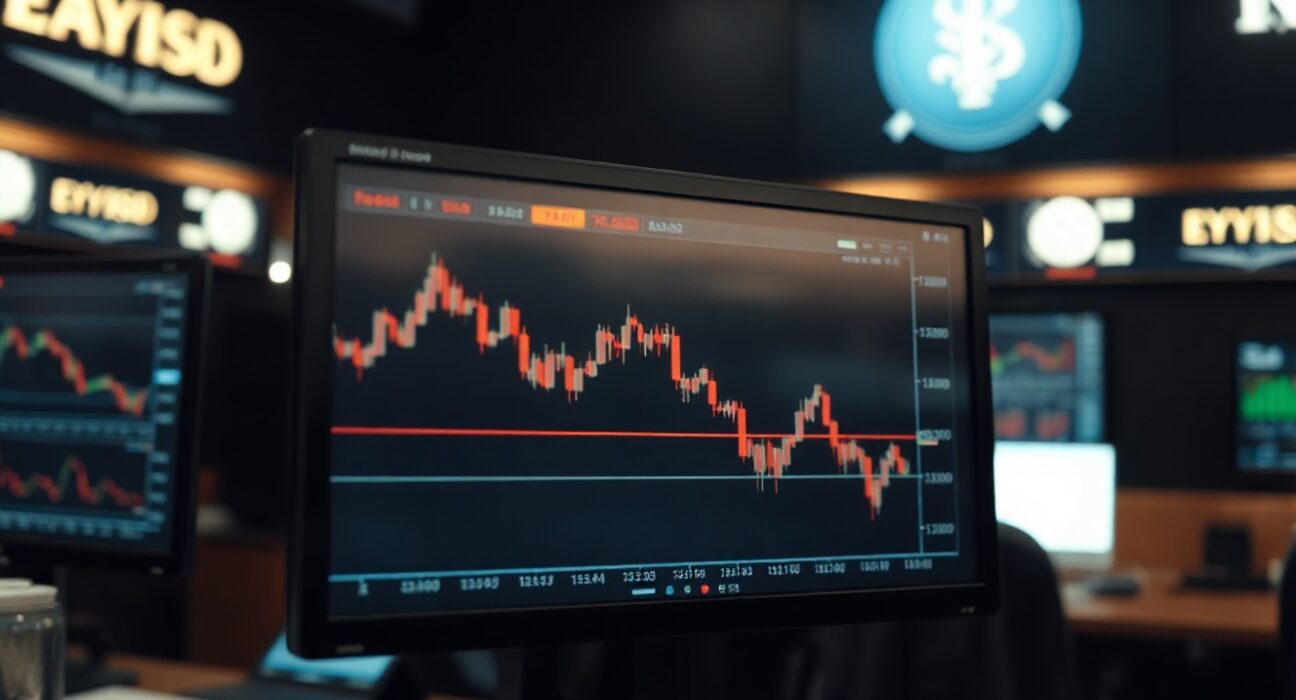
The euro softened to near 1.1500 against the U.S. dollar on [date of publication], as the widening conflict between the United States and Iran fueled demand for safe-haven assets, particularly the greenback, and pressured risk-sensitive currencies like the euro.
Market Context: Why the Euro Is Falling
The euro’s decline is primarily driven by geopolitical risk aversion. Investors typically flock to the U.S. dollar during times of heightened international tension, viewing it as a stable store of value. The escalation of the US-Iran conflict has increased uncertainty in global markets, leading to a shift away from riskier assets, including the euro.
Additionally, the eurozone’s economic outlook remains subdued, with sluggish growth and inflationary pressures below the European Central Bank’s target. This has made the euro less attractive compared to the dollar, especially when global risks escalate.
Technical and Fundamental Drivers
From a technical perspective, the EUR/USD pair has been under pressure, breaking below key support levels. The move toward 1.1500 is seen as a significant test, with traders watching for potential further downside if geopolitical tensions persist.
Fundamentally, the conflict has also impacted oil prices, which have risen due to supply concerns. Higher energy costs could weigh on the eurozone economy, which is a net importer of oil, further undermining the euro’s appeal.
Implications for Traders and Businesses
For currency traders, the current environment suggests heightened volatility and a potential for further euro weakness if the conflict escalates. Businesses with exposure to euro-dollar exchange rates may need to hedge against adverse moves.
Consumers in the eurozone may also feel the impact through higher import prices, especially for energy, which could feed into inflation and affect purchasing power.
Outlook and Monitoring Points
Looking ahead, markets will closely monitor diplomatic efforts to de-escalate the conflict, as well as any new economic data from the eurozone and the U.S. A de-escalation could trigger a rebound in the euro, while continued tensions may push the pair below 1.1500.
Conclusion
As of [date of publication], the euro’s slide toward 1.1500 reflects a market bracing for prolonged geopolitical uncertainty. The combination of safe-haven demand for the dollar and the eurozone’s economic vulnerabilities underscores the challenges ahead for the single currency. Investors and businesses should remain vigilant and prepared for continued volatility.
FAQs
Q1: Why does the US-Iran conflict affect the euro?
The conflict increases global risk aversion, prompting investors to move capital into safe-haven assets like the U.S. dollar. This demand for dollars strengthens the greenback against the euro, causing the EUR/USD exchange rate to fall.
Q2: Is the euro likely to drop below 1.1500?
It depends on the evolution of geopolitical tensions and economic data. If the conflict escalates or economic data from the eurozone remains weak, the pair could break below 1.1500. Conversely, de-escalation could lead to a recovery.
Q3: How does oil price movement influence the euro?
The eurozone is a major oil importer, so rising oil prices increase the cost of imports, potentially widening the trade deficit and adding to inflationary pressures. This can weigh on economic growth and make the euro less attractive to investors.
Disclaimer: The information provided is not trading advice, Bitcoinworld.co.in holds no liability for any investments made based on the information provided on this page. We strongly recommend independent research and/or consultation with a qualified professional before making any investment decisions.
