

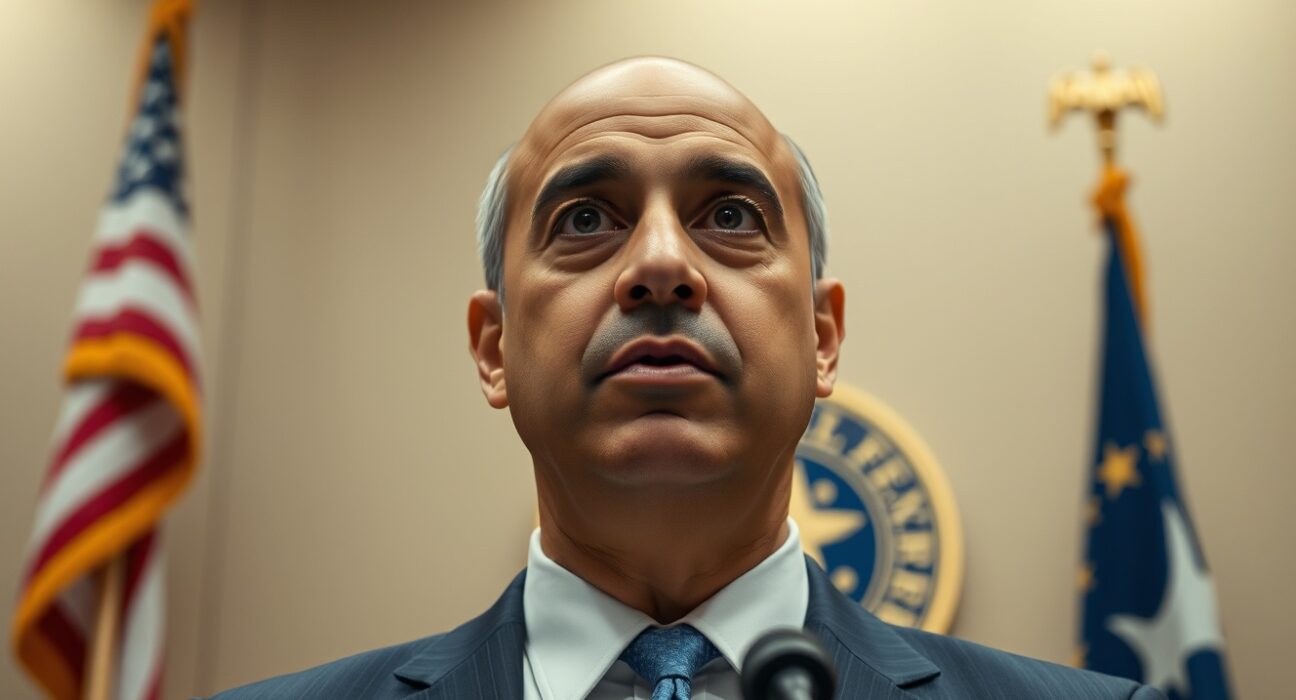
Minneapolis Federal Reserve Bank President Neel Kashkari stated on Tuesday that inflation in the United States remains too high, signaling that the central bank is in no rush to begin cutting interest rates. His remarks come as markets continue to price in potential rate cuts later this year, a timeline Kashkari suggested may be premature.
Kashkari’s Latest Assessment
Speaking at a moderated event in Minneapolis, Kashkari acknowledged that while progress has been made in bringing inflation down from its peak in 2022, the latest data shows the fight is far from over. “Inflation is still too high,” Kashkari said. “We need to see more consistent evidence that it is sustainably moving toward our 2% target before we can consider adjusting the policy rate.”
Kashkari’s comments align with the broader sentiment among several Federal Open Market Committee (FOMC) members who have recently emphasized patience. The Fed has held its benchmark interest rate steady at a range of 5.25% to 5.50% since July 2023, and Kashkari indicated that maintaining that level remains appropriate for now.
Market and Economic Implications
The statement from Kashkari, who is considered a centrist on the FOMC, reinforces the view that the central bank is prioritizing inflation control over supporting economic growth. This stance has direct implications for borrowing costs across the economy, including mortgages, auto loans, and business credit.
Investors reacted cautiously to the news. Equity markets edged lower in midday trading as expectations for a near-term rate cut receded. Bond yields ticked higher, reflecting a reassessment of the Fed’s policy path. The U.S. dollar strengthened modestly against a basket of major currencies.
For consumers, Kashkari’s message means that high interest rates are likely to persist, keeping monthly payments elevated on variable-rate debt and slowing the housing market. However, for savers, higher rates continue to offer better returns on savings accounts and certificates of deposit.
Why This Matters
The Federal Reserve’s decisions on interest rates have a cascading effect on the entire economy. Kashkari’s public remarks offer a window into the internal debate at the central bank. His insistence that inflation remains too high suggests that the FOMC is not yet confident that price stability has been achieved, even as some economic indicators show a cooling economy.
This is particularly relevant as the U.S. approaches a presidential election year, where economic conditions — especially inflation and interest rates — are a central issue for voters. The Fed’s independence and its commitment to its dual mandate of price stability and maximum employment are under increased scrutiny.
Conclusion
Neel Kashkari’s latest comments serve as a reminder that the Federal Reserve’s battle against inflation is not yet won. With inflation still above the 2% target, the central bank is likely to maintain its current restrictive policy stance for the foreseeable future. For markets and consumers, the message is clear: patience remains the watchword, and rate cuts are not imminent.
FAQs
Q1: What did Neel Kashkari say about inflation?
Kashkari stated that inflation is still too high and that the Federal Reserve needs more consistent evidence that it is moving toward the 2% target before considering rate cuts.
Q2: What does this mean for interest rates?
It suggests the Fed will hold its benchmark interest rate steady at the current level of 5.25%–5.50% for longer than some market participants had anticipated.
Q3: How might this affect consumers?
Consumers can expect borrowing costs for mortgages, car loans, and credit cards to remain high, while savers may continue to benefit from elevated yields on deposit accounts.
Disclaimer: The information provided is not trading advice, Bitcoinworld.co.in holds no liability for any investments made based on the information provided on this page. We strongly recommend independent research and/or consultation with a qualified professional before making any investment decisions.
