
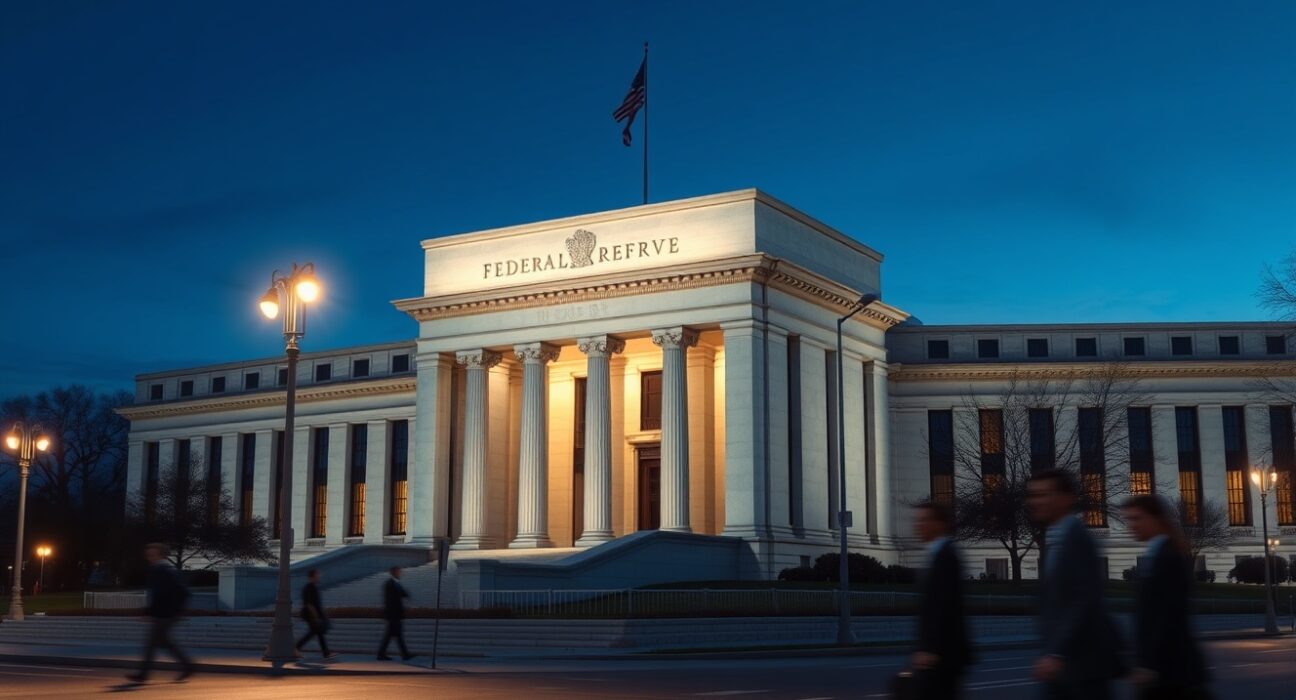
WASHINGTON, D.C. – March 19, 2025: The Federal Reserve today released minutes from its March policy meeting, providing critical insights into the central bank’s decision to maintain interest rates at current levels. These Fed minutes reveal a surprisingly hawkish outlook among policymakers despite their unanimous vote to hold rates steady. Market analysts immediately scrutinized the document for clues about future monetary policy direction.
Fed Minutes Detail March Rate Hold Rationale
The Federal Open Market Committee voted unanimously to maintain the federal funds rate at 5.25%-5.50% during its March 18-19 meeting. However, the newly released Fed minutes show significant internal debate about inflation persistence. Several members expressed concerns about recent economic data. They noted particularly stubborn service sector inflation and tight labor market conditions.
Furthermore, the minutes indicate committee members discussed potential risks of premature easing. Most participants emphasized the need for greater confidence in inflation’s sustainable return to the 2% target. The document states clearly that recent progress remains insufficient for policy changes. Consequently, the committee maintained its restrictive policy stance.
Hawkish Outlook Despite Steady Rates
Market observers immediately noted the disconnect between the rate hold decision and the hawkish tone. The Fed minutes contain multiple references to upside inflation risks. Several participants cited strong consumer spending and resilient economic activity. They also pointed to elevated housing costs and wage growth above productivity trends.
Additionally, the discussion revealed concerns about financial conditions easing prematurely. Some members worried market expectations could undermine the Fed’s inflation fight. The minutes specifically mention monitoring credit spreads and equity valuations. This hawkish outlook suggests the committee remains vigilant despite holding rates steady.
Inflation Assessment and Economic Projections
The Fed minutes provide detailed analysis of recent inflation trends. Committee members acknowledged welcome disinflation in goods prices. However, they expressed frustration with persistent services inflation. The document highlights particular concern about shelter costs and non-housing services.
Moreover, participants reviewed updated economic projections. Most expected core PCE inflation to decline gradually through 2025. Yet several noted uncertainty about the pace of this decline. The minutes reveal divided views on labor market rebalancing. Some saw signs of cooling while others noted continued tightness.
Expert Analysis of Policy Implications
Financial analysts quickly parsed the Fed minutes for policy signals. “These minutes confirm the Fed’s higher-for-longer stance,” noted Jane Wilson, chief economist at Global Financial Insights. “The committee wants markets to understand their commitment to price stability.” Wilson emphasized the minutes’ careful balance between data dependence and forward guidance.
Similarly, Michael Chen of Strategic Monetary Analysis observed subtle shifts. “The discussion about balance sheet runoff deserves attention,” Chen stated. “Some members suggested slowing quantitative tightening sooner than expected.” This potential policy adjustment could precede any rate cuts.
Market Reaction and Financial Conditions
Financial markets responded immediately to the Fed minutes release. Treasury yields initially rose across the curve, particularly in the 2-5 year segment. Equity markets showed mixed reactions with rate-sensitive sectors underperforming. The dollar index strengthened modestly against major currencies.
Furthermore, futures markets adjusted their rate expectations significantly. According to CME FedWatch data, traders reduced expectations for June rate cuts. The probability of a July cut also declined substantially. This market repricing reflects the minutes’ hawkish tone.
Historical Context and Policy Evolution
The current Fed minutes emerge from a complex policy history. The Federal Reserve began its tightening cycle in March 2022. It raised rates eleven times through July 2023 before pausing. Since then, the committee has maintained restrictive policy while assessing inflation progress.
Previous meeting minutes showed gradual evolution in committee views. Early 2024 minutes emphasized inflation risks dominating. Later documents revealed growing confidence in disinflation trends. The March 2025 minutes represent a recalibration amid recent data surprises.
Comparative Analysis with Global Central Banks
The Fed’s stance contrasts with other major central banks currently. The European Central Bank recently signaled potential June rate cuts. Similarly, the Bank of England has adopted a more dovish tone. The Bank of Japan continues its gradual policy normalization.
This divergence reflects different economic conditions across regions. The United States shows stronger growth and more persistent inflation. Consequently, the Fed maintains more restrictive policy. The minutes acknowledge these global monetary policy differences.
Forward Guidance and Communication Strategy
The Fed minutes reveal careful attention to communication challenges. Participants discussed managing market expectations effectively. They emphasized the importance of data-dependent forward guidance. Several members noted the risks of both over- and under-signaling policy intentions.
Additionally, the document shows committee awareness of credibility issues. The Fed wants to avoid premature declarations of victory over inflation. Yet it also seeks to acknowledge genuine progress when it occurs. This balancing act appears throughout the minutes discussion.
Conclusion
The March Fed minutes provide crucial transparency about monetary policy deliberations. They reveal a hawkish outlook underlying the committee’s rate hold decision. Policymakers remain concerned about persistent inflation despite recent progress. Consequently, the Federal Reserve maintains its restrictive stance while monitoring incoming data. These Fed minutes will guide market expectations and economic decisions throughout 2025.
FAQs
Q1: What do the Fed minutes reveal about future rate cuts?
The minutes show committee members want greater confidence in sustainable inflation reduction before considering rate cuts. Most participants emphasized patience and data dependence.
Q2: How did markets react to the March Fed minutes?
Financial markets interpreted the minutes as hawkish, leading to higher Treasury yields and reduced expectations for near-term rate cuts. The dollar strengthened modestly.
Q3: What inflation concerns appear in the Fed minutes?
Participants expressed particular concern about persistent services inflation, shelter costs, and wage growth exceeding productivity gains. Several noted upside risks to inflation forecasts.
Q4: How does the Fed’s stance compare to other central banks?
The Federal Reserve maintains a more hawkish position than the ECB or Bank of England, reflecting stronger U.S. economic growth and more persistent inflation pressures.
Q5: What key data will the Fed monitor before its next decision?
Committee members will closely watch upcoming inflation reports, labor market data, consumer spending figures, and financial conditions indicators before the May meeting.
Disclaimer: The information provided is not trading advice, Bitcoinworld.co.in holds no liability for any investments made based on the information provided on this page. We strongly recommend independent research and/or consultation with a qualified professional before making any investment decisions.