
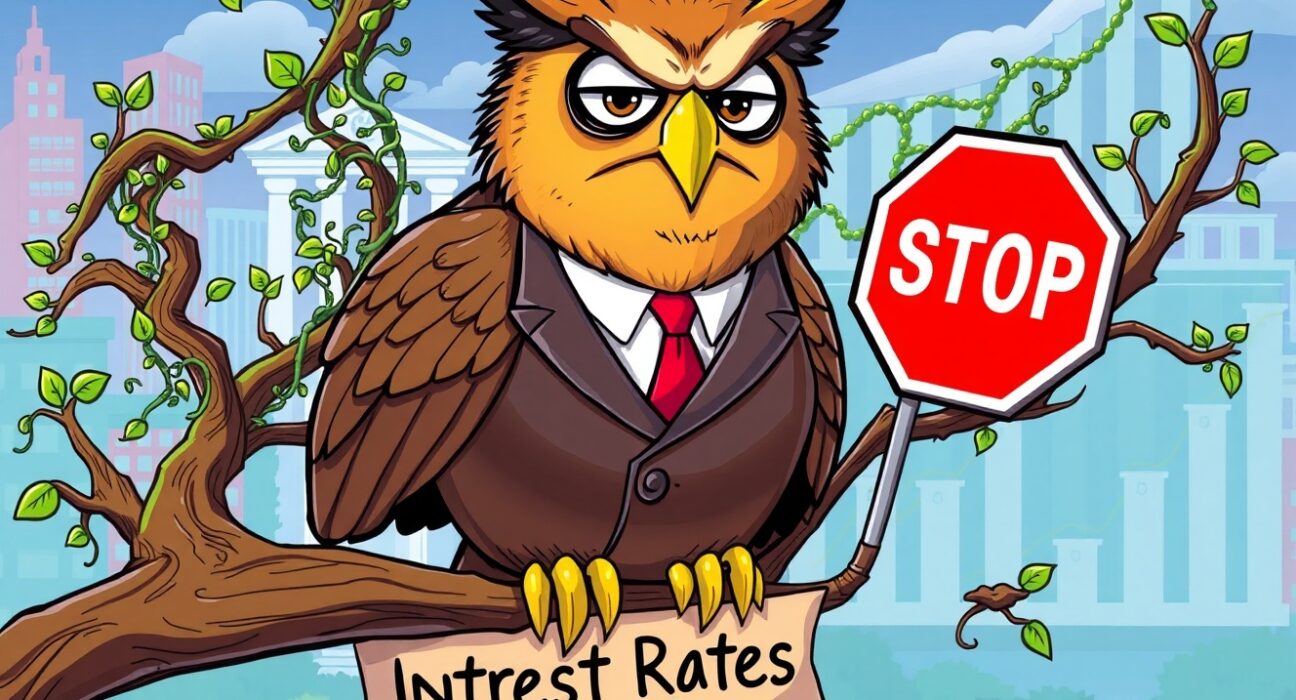
If you’re watching the markets, your attention just snapped to the latest data. The probability of a crucial Fed pause on rate cuts has taken a significant leap. Traders in the U.S. interest rate futures market now assign a 78% chance that the Federal Reserve will halt its easing cycle in January 2026. This is a notable shift from the 70% odds priced just before today’s pivotal FOMC meeting. But what’s driving this change, and why should it matter to you? Let’s break it down.
What Does a Fed Pause on Rate Cuts Actually Mean?
First, let’s clarify the terminology. A Fed pause in this context doesn’t mean rates are frozen forever. Instead, it signals a potential endpoint for a cycle of reductions. The market is betting that by early 2026, the central bank will have lowered borrowing costs enough and will then stop to assess the economic landscape. This projection is a direct reflection of trader sentiment, derived from complex financial instruments that bet on future Fed policy.
The 8-percentage-point jump in probability is substantial. It tells us that the FOMC’s latest communication—its statement, economic projections, and the Chair’s press conference—has meaningfully altered the market’s long-term outlook. The Fed may have signaled a more cautious or extended path for policy normalization than previously expected.
Why Did the Odds of a Pause Suddenly Increase?
The immediate shift from 70% to 78% is the story. Several factors from the FOMC meeting could be the catalyst:
- Updated Economic Projections: The Fed’s “dot plot,” which charts officials’ rate expectations, may have shown fewer anticipated cuts through 2026.
- Inflation Caution: The Fed might have emphasized a “higher for longer” approach if inflation proves stubborn, delaying the end point of the cutting cycle.
- Growth Resilience: Surprisingly strong economic data could mean the Fed has more room to wait before stimulating with lower rates, pushing the final pause further out.
Therefore, this isn’t just a minor statistical blip. It’s a recalibration of the entire market’s timeline for monetary policy.
What Are the Real-World Implications of This Fed Pause?
This shifting probability has tangible consequences. When the market prices in a later Fed pause, it influences financial conditions today.
- For Borrowers & Savers: Expectations for higher long-term rates can keep mortgage, auto loan, and business borrowing costs elevated. Conversely, savers might enjoy better yields on savings accounts and CDs for a longer period.
- For Investors: The stock market often reacts to the expected path of rates. A delayed pause can pressure growth stocks while potentially benefiting financial sectors.
- For the Economy: It signals the Fed’s belief that the economy will remain strong enough to not require aggressive stimulus through 2025, which is a positive sign for fundamental health.
Understanding this Fed pause dynamic is key to making informed personal finance and investment decisions.
Navigating the Path to the 2026 Fed Pause
The journey to January 2026 is not set in stone. The 78% probability is a snapshot, not a guarantee. This path will be shaped by incoming data on inflation, employment, and growth. As an observer, you should focus on these key indicators. Moreover, remember that the Fed itself reacts to this data. If the economy weakens unexpectedly, the timeline for the final rate cuts and the subsequent pause could accelerate. Conversely, a resurgence of inflation could see these odds climb even higher.
The key takeaway is that the market is now more confident that the Fed’s rate-cutting cycle will have a defined stopping point in early 2026, and that this pause will be a deliberate policy choice, not an abrupt reaction to a crisis.
Conclusion: A Landmark Shift in Market Sentiment
In summary, the jump to a 78% chance of a January 2026 Fed pause on rate cuts is a major development. It reflects a market digesting a more patient, data-dependent Federal Reserve. This shift alters the horizon for borrowing costs, investment returns, and economic planning. While the future remains data-dependent, this probability offers a crucial framework for anticipating the Fed’s moves over the next two years. Staying informed on this evolving narrative is essential for anyone with a stake in the financial markets.
Frequently Asked Questions (FAQs)
What is a ‘Fed pause’ in rate cuts?
A ‘Fed pause’ refers to a point in time when the Federal Reserve stops actively changing interest rates, specifically halting a cycle of reductions. It’s a period of assessment where policymakers wait to see the effects of their previous actions before deciding on the next move.
How is the 78% probability calculated?
This probability is derived from the U.S. interest rate futures market. Traders buy and sell contracts based on their expectations for future Fed policy rates. The aggregate pricing of these contracts implies the market’s collective forecast, which currently sees a 78% likelihood of no cut in January 2026.
Does a pause mean rates will never be cut again?
No, not necessarily. A pause is typically temporary. It means the Fed is stopping to observe economic data. If the economy later weakens significantly, the Fed could resume cutting rates after the pause. The pause is an endpoint for the current expected cycle.
What should an average investor do with this information?
Investors should view this as a signal for a potentially higher interest rate environment for longer. This may warrant reviewing asset allocations—for instance, being cautious with highly leveraged companies or long-duration bonds, while potentially favoring sectors like banking that benefit from higher rates.
Can these odds change quickly?
Absolutely. These market-implied probabilities are highly sensitive to new economic data (like CPI or jobs reports) and Fed official speeches. A single strong inflation report could push the odds higher, while weak growth data could lower them.
Why is January 2026 specifically important?
January 2026 is simply the meeting date identified by the futures market as the most likely point for the cycle to end. It’s a projection based on the expected pace of cuts. The specific month is less important than the trend that the cycle’s conclusion is being pushed further into the future.
Found this analysis of the crucial Fed pause insightful? Help others navigate these complex market signals by sharing this article on Twitter (X), LinkedIn, or your favorite financial forum. Knowledge is power, especially when it comes to the Fed’s next move.
To learn more about the latest economic trends, explore our article on key developments shaping monetary policy and future market action.
Disclaimer: The information provided is not trading advice, Bitcoinworld.co.in holds no liability for any investments made based on the information provided on this page. We strongly recommend independent research and/or consultation with a qualified professional before making any investment decisions.