
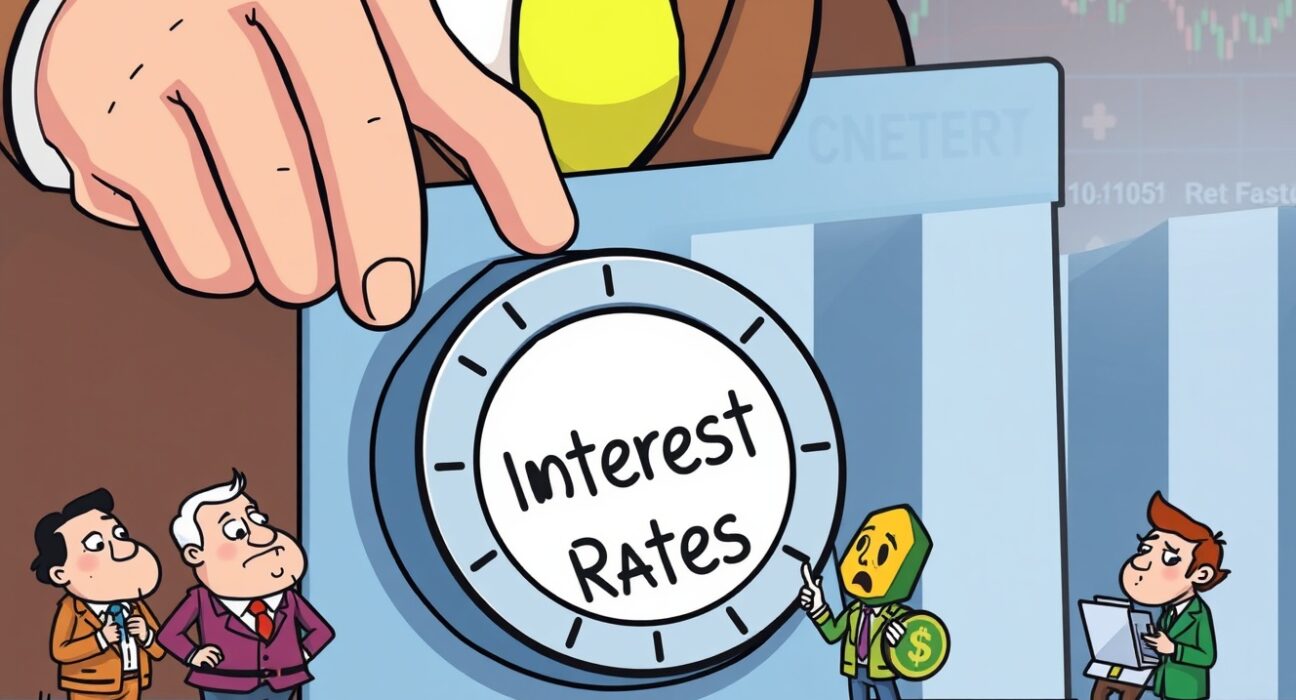
The financial world is keenly watching the Federal Reserve, especially concerning potential Fed rate cuts. Recent projections from the Federal Reserve’s members have offered a glimpse into their collective thinking, revealing a significant split regarding the path of interest rates for the remainder of the year. This forward-looking insight is crucial for investors, businesses, and everyday consumers alike, as monetary policy decisions ripple across the entire economy.
Understanding the Split: What Do These Fed Rate Cuts Projections Mean?
The latest summary of economic projections from the Federal Reserve’s Open Market Committee (FOMC) members highlights a divided outlook. Out of 19 members, nine are anticipating two more interest rate reductions before the year concludes. This indicates a notable segment of the Fed believes the economy will require further stimulus or that inflation is sufficiently under control to warrant easing.
- Majority View: Nine members foresee two additional Fed rate cuts, suggesting a belief in moderating inflation and a need to support economic growth.
- Moderate View: Two members project only one rate cut, indicating a slightly more cautious approach to monetary easing.
- Hawkish Stance: Six members expect no further Fed rate cuts this year, emphasizing concerns about persistent inflation or a robust economy that does not require additional stimulus.
This divergence reflects the complex economic environment the Fed navigates, balancing inflation control with employment goals. Each projection carries implications for market expectations and future economic activity.
The Broader Economic Ripple Effect of Anticipated Fed Rate Cuts
Interest rate decisions by the Federal Reserve have a profound impact on the broader economy. When the Fed cuts rates, it generally makes borrowing cheaper for consumers and businesses. This can stimulate spending and investment, as loans for homes, cars, and business expansion become more affordable.
Conversely, lower rates can also influence savings rates and bond yields. For instance, a decrease in interest rates might lead to:
- Increased Consumer Spending: Lower mortgage rates and credit card interest can free up household income.
- Business Expansion: Cheaper loans encourage companies to invest, hire, and grow.
- Inflationary Pressures: If economic activity heats up too much, there is a risk of inflation accelerating again.
Therefore, the anticipation of Fed rate cuts can inject optimism into financial markets, signaling potential economic growth ahead.
Navigating the Crypto Landscape Amidst Potential Fed Rate Cuts
The cryptocurrency market, while often seen as distinct from traditional finance, is not immune to the Fed’s monetary policy decisions. Historically, periods of anticipated Fed rate cuts can influence investor sentiment towards risk assets, including digital currencies. When traditional investments like bonds offer lower returns due to reduced interest rates, investors may seek higher yields and growth opportunities in alternative assets.
For the crypto space, this could mean:
- Increased Liquidity: More capital might flow into the crypto market as investors search for better returns.
- Boost for Innovation: Lower borrowing costs can benefit crypto startups and projects, enabling easier access to capital for development and expansion.
- Enhanced Volatility: While potentially positive, the crypto market remains volatile, and any shift in monetary policy can amplify price movements.
Understanding the interplay between traditional financial policy and the evolving crypto ecosystem is vital for informed decision-making.
Challenges and Opportunities: Preparing for Fed Rate Cuts
While the prospect of Fed rate cuts can be exciting, it also presents a unique set of challenges and opportunities. On one hand, lower rates could usher in a period of economic expansion and increased investor confidence. On the other hand, the risk of inflation re-emerging or market volatility due to policy uncertainty remains a concern.
Key Opportunities:
- Potential for capital appreciation in growth-oriented assets.
- More favorable borrowing conditions for personal and business ventures.
- A potential boost for sectors sensitive to interest rates, like technology and housing.
Key Challenges:
- The ongoing debate among Fed members highlights economic uncertainty.
- Market reactions can be unpredictable, leading to increased volatility.
- Investors must remain vigilant about inflation trends and economic data.
For individuals and institutions, staying informed and adapting investment strategies to reflect these potential shifts is an actionable insight.
Conclusion: The Path Forward for Fed Rate Cuts
The Federal Reserve’s internal projections reveal a nuanced and divided outlook on the future of interest rates. While a significant portion of members anticipates two more Fed rate cuts this year, a considerable number also project fewer or no further reductions. This ongoing debate underscores the complex economic landscape and the careful balance the Fed must maintain.
For investors, businesses, and anyone interested in the financial markets, understanding these projections is key. The path of future Fed rate cuts will undoubtedly shape economic conditions, influence investment decisions, and continue to be a focal point of discussion in the months ahead. Prepare for potential shifts and stay informed about the Fed’s evolving stance.
Frequently Asked Questions (FAQs)
1. What is the Federal Reserve’s primary goal with interest rates?
The Federal Reserve has a dual mandate: to achieve maximum employment and maintain price stability (low and stable inflation). Interest rates are a key tool to achieve these goals.
2. How do interest rate cuts typically affect the stock market?
Generally, interest rate cuts are seen as positive for the stock market. They reduce borrowing costs for companies, which can boost profits, and make equities more attractive compared to fixed-income investments.
3. Why do some Fed members disagree on the number of cuts?
Disagreements arise from varying interpretations of economic data, different forecasts for inflation and growth, and diverse perspectives on the appropriate monetary policy response to current conditions.
4. Is there a direct link between Fed rate cuts and cryptocurrency prices?
While not always direct, there is an indirect link. Lower interest rates can make riskier assets like cryptocurrencies more appealing to investors seeking higher returns, potentially leading to increased capital flow into the crypto market.
5. What should investors consider regarding these projections?
Investors should consider diversifying their portfolios, staying updated on economic indicators, and understanding that Fed projections are not guarantees but rather a reflection of current thinking that can change.
Did you find this analysis of the Federal Reserve’s interest rate projections insightful? Share this article with your friends, colleagues, and anyone interested in understanding the future of monetary policy and its impact on the economy and financial markets!
To learn more about the latest crypto market trends, explore our article on key developments shaping Bitcoin price action.
Disclaimer: The information provided is not trading advice, Bitcoinworld.co.in holds no liability for any investments made based on the information provided on this page. We strongly recommend independent research and/or consultation with a qualified professional before making any investment decisions.