

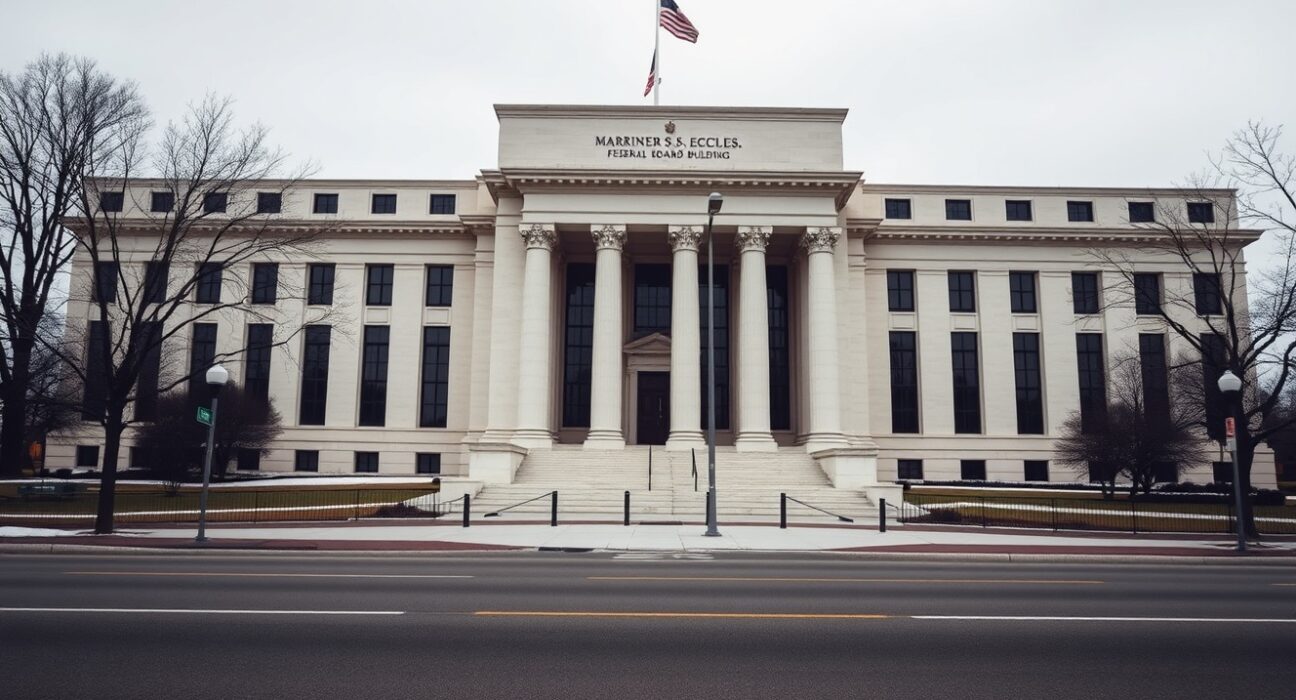
Investors hoping for a near-term shift in U.S. monetary policy may need to adjust their expectations significantly. TD Securities has released a new forecast suggesting the Federal Reserve will hold its benchmark interest rate steady through the end of 2026 and well into 2027, extending the current pause far longer than most market participants anticipate.
Why the Extended Hold?
TD Securities’ projection is rooted in the central bank’s ongoing struggle to bring inflation down to its 2% target. While headline inflation has cooled from its 2022 peaks, core services inflation—particularly in housing and wages—remains stubbornly elevated. The firm argues that the Fed will require sustained evidence of a slowing economy and loosening labor market before it can confidently begin a rate-cutting cycle.
The forecast marks a notable departure from the consensus view, which has repeatedly pushed back the expected timing of the first rate cut. Earlier in 2025, many economists anticipated a move in the first half of 2026. That timeline has now been pushed to 2027 by TD Securities, reflecting a growing recognition that the path back to price stability is longer and bumpier than initially hoped.
Implications for Markets and Borrowers
For financial markets, a prolonged period of restrictive policy carries several implications. Bond yields are likely to remain elevated, which could continue to pressure equity valuations, particularly in rate-sensitive sectors like real estate and technology. The U.S. dollar may also stay strong as higher yields attract foreign capital, potentially weighing on multinational corporate earnings.
For consumers and businesses, the message is clear: borrowing costs for mortgages, auto loans, and corporate debt will stay high for the foreseeable future. This could dampen economic activity further, but the Fed has consistently signaled it is willing to tolerate some economic slowdown to ensure inflation is fully contained.
What This Means for the Fed’s Credibility
The extended hold also tests the Fed’s communication strategy. Chair Jerome Powell and other officials have repeatedly emphasized a data-dependent approach, avoiding firm commitments on the timing of future moves. By projecting rates on hold through 2027, TD Securities is essentially arguing that the central bank will prioritize its inflation mandate over political or market pressure, even if it means maintaining a restrictive stance for years.
Conclusion
TD Securities’ forecast, while more aggressive than the consensus, underscores a key reality: the Federal Reserve’s battle against inflation is not yet won. For investors and businesses, planning for a ‘higher for longer’ interest rate environment is no longer a contingency—it may be the base case. The coming months will reveal whether the data supports this view or if economic weakness forces the Fed’s hand sooner than TD Securities currently expects.
FAQs
Q1: What is the main takeaway from TD Securities’ forecast?
A1: The firm predicts the Federal Reserve will not cut interest rates until 2027, maintaining its current restrictive policy much longer than most other forecasts suggest.
Q2: Why does TD Securities believe the Fed will hold rates so long?
A2: Persistent core inflation, particularly in housing and services, is expected to keep the Fed cautious. The central bank wants clear evidence that inflation is sustainably moving toward its 2% target before easing policy.
Q3: How might this affect the average consumer?
A3: Borrowing costs for mortgages, car loans, and credit cards are likely to remain high. This could reduce purchasing power and slow economic growth, but it also reflects the Fed’s commitment to controlling inflation.
Disclaimer: The information provided is not trading advice, Bitcoinworld.co.in holds no liability for any investments made based on the information provided on this page. We strongly recommend independent research and/or consultation with a qualified professional before making any investment decisions.
