

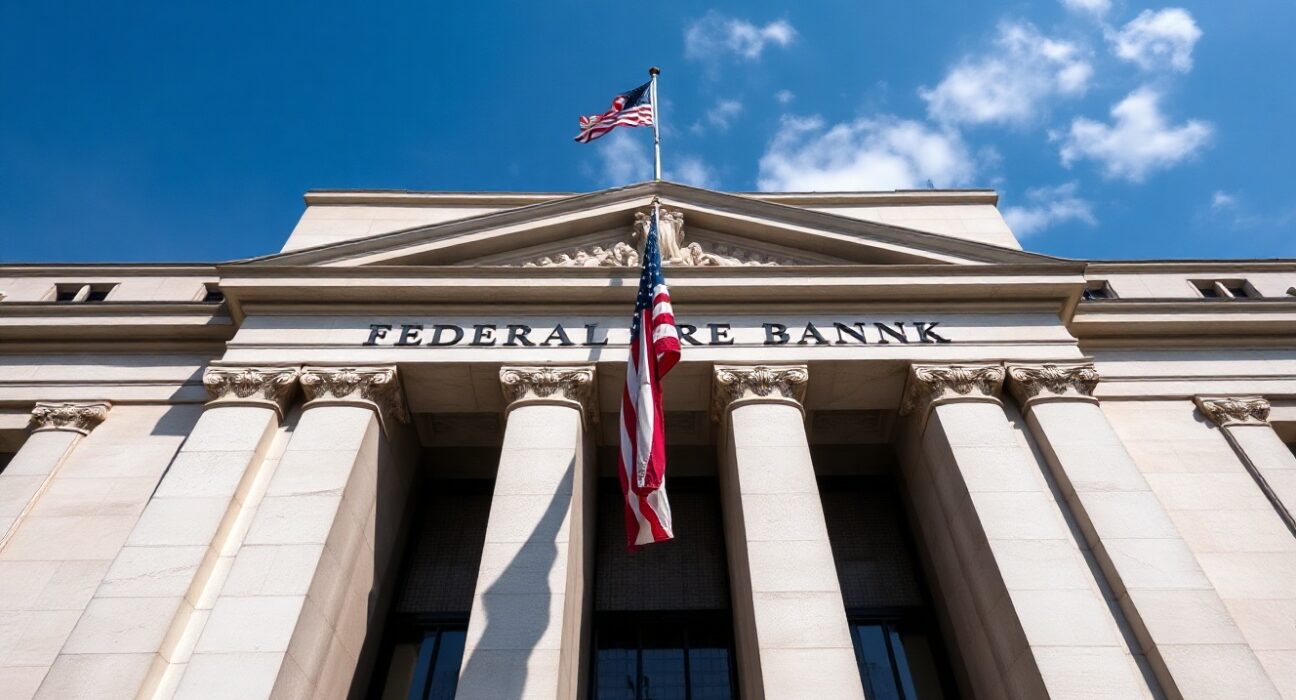
Federal Reserve Bank of New York President John Williams said he expects inflation to ease gradually in the coming months, while reiterating that the central bank stands ready to raise interest rates again if price pressures fail to return to the 2% target. In an interview published on July 31, Williams pointed to cooling energy prices and diminishing trade tariff effects as key factors that should help slow inflation in the second half of the year.
Williams’ Outlook on Inflation and Policy
Williams noted that the main drivers of inflation over the past year and a half — including energy costs and tariffs — have likely peaked. He argued that if the economy remains resilient, these factors should no longer exert significant upward pressure on prices. He also suggested that the disinflationary forces that were evident earlier in the year would begin to reassert themselves.
While reaffirming that the current level of interest rates is well-positioned to bring inflation back to target, Williams emphasized that he would not hesitate to act if incoming data show inflation is not on a sustainable path to 2%. He described a rate hike as “entirely appropriate” under such circumstances.
Focus on Core Inflation Data
Williams said he would closely monitor core inflation readings over the coming months to assess whether they are consistent with a gradual return to the 2% goal. He reiterated his personal projection that inflation will moderate in the second half of this year and decline further in 2026, with a long-term target of achieving stable 2% inflation by 2028.
His comments come as the Federal Reserve navigates a delicate balancing act between supporting economic growth and ensuring price stability. Market participants have been closely watching for signals about the timing and magnitude of potential rate moves.
Implications for Markets and Borrowers
For consumers and businesses, Williams’ remarks suggest that borrowing costs may remain elevated for some time, but also that the Fed sees a path toward easing inflation without triggering a sharp economic downturn. If inflation continues to cool as expected, the central bank could hold rates steady for an extended period, which would provide relief to mortgage holders and corporate borrowers.
However, any resurgence in price pressures could prompt another hike, which would likely increase borrowing costs further. Williams’ emphasis on data-dependence underscores the uncertainty that remains in the economic outlook.
Conclusion
John Williams’ latest remarks offer a cautiously optimistic view on inflation, while making clear that the Federal Reserve remains vigilant and prepared to act if necessary. His focus on core inflation data and the 2028 target provides a clear framework for future policy decisions. For now, the central bank appears content to wait and see, but the door to further rate hikes is not closed.
FAQs
Q1: What did John Williams say about inflation?
Williams said he expects inflation to ease gradually, citing lower energy prices and fading tariff effects. He sees inflation moderating in the second half of the year and declining further next year.
Q2: Is the Federal Reserve likely to raise interest rates again?
Williams indicated that a rate hike would be appropriate if inflation does not move toward the 2% target. However, he also noted that the current policy stance is well-positioned to bring inflation down.
Q3: What is the Fed’s target for inflation?
The Federal Reserve aims for a long-term inflation rate of 2%. Williams said he expects to achieve that target by 2028.
Disclaimer: The information provided is not trading advice, Bitcoinworld.co.in holds no liability for any investments made based on the information provided on this page. We strongly recommend independent research and/or consultation with a qualified professional before making any investment decisions.
