

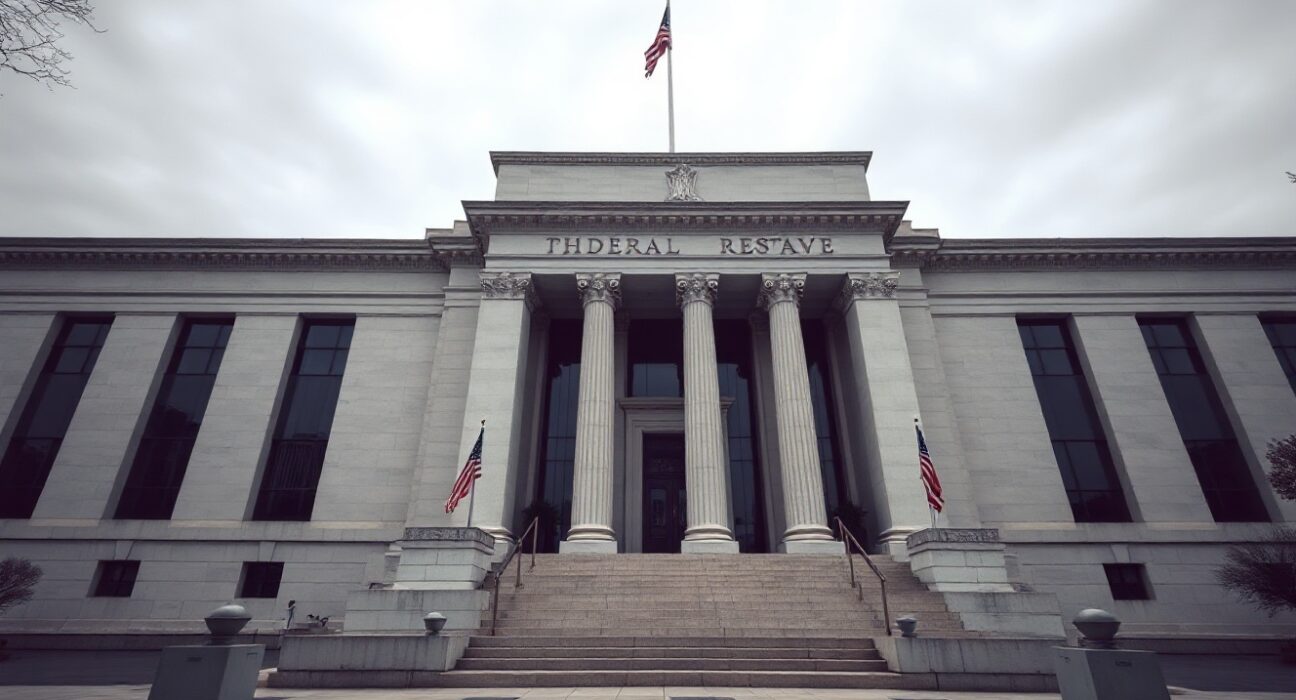
The appointment of Kevin Warsh as the next Federal Reserve chair has ushered in a distinctly hawkish phase for U.S. monetary policy, according to a new analysis from Deutsche Bank. The financial institution’s assessment, released this week, highlights early signals from the Fed under Warsh’s leadership that suggest a more aggressive approach to inflation control and interest rate adjustments.
Early Policy Signals Under Warsh
Deutsche Bank’s report notes that Warsh’s initial public comments and the tone of recent Federal Open Market Committee (FOMC) meetings indicate a clear departure from the more accommodative stance of his predecessor. The analysis points to a series of hawkish statements emphasizing the need to prioritize price stability over maximum employment, even at the risk of slowing economic growth. This shift, according to the bank’s economists, represents a return to a more traditional, inflation-focused central banking doctrine.
Market Implications and Investor Reaction
The hawkish pivot has already begun to influence financial markets. Bond yields have risen in anticipation of tighter monetary conditions, while equity markets have shown increased volatility. Deutsche Bank’s analysis suggests that investors should prepare for a sustained period of higher interest rates, with the potential for more aggressive rate hikes in the coming quarters. The report also warns that this could lead to a stronger U.S. dollar and put pressure on emerging market currencies.
Why This Matters for the Broader Economy
For businesses and consumers, the implications are significant. Higher borrowing costs could slow down investment and spending, potentially cooling an economy that has shown resilience. The Fed’s new direction also raises questions about the future of quantitative tightening and the central bank’s balance sheet strategy. Deutsche Bank’s analysis provides a framework for understanding how these policies might unfold, emphasizing that the Warsh era is likely to be defined by a commitment to restoring the Fed’s inflation-fighting credibility.
Conclusion
Deutsche Bank’s assessment underscores a pivotal moment for U.S. monetary policy. The early hawkish signals from the Federal Reserve under Kevin Warsh suggest a deliberate shift toward tighter financial conditions. As the new chair’s strategy becomes clearer, markets and the broader economy will need to adjust to a less accommodative central bank. The coming months will be critical in determining whether this approach successfully curbs inflation without triggering a recession.
FAQs
Q1: What does ‘hawkish’ mean in the context of the Federal Reserve?
A ‘hawkish’ stance refers to a monetary policy bias that prioritizes controlling inflation, often through higher interest rates or tighter money supply, even if it means slower economic growth.
Q2: How does Kevin Warsh’s approach differ from his predecessor?
Early indications suggest Warsh is more focused on aggressive inflation control and less willing to prioritize employment goals, marking a shift from the more dovish, growth-supportive policies of the previous administration.
Q3: What could this mean for interest rates in 2026?
Deutsche Bank’s analysis points to a higher probability of sustained or increased interest rates in the near term, with potential for more frequent rate hikes to combat persistent inflationary pressures.
Disclaimer: The information provided is not trading advice, Bitcoinworld.co.in holds no liability for any investments made based on the information provided on this page. We strongly recommend independent research and/or consultation with a qualified professional before making any investment decisions.
