

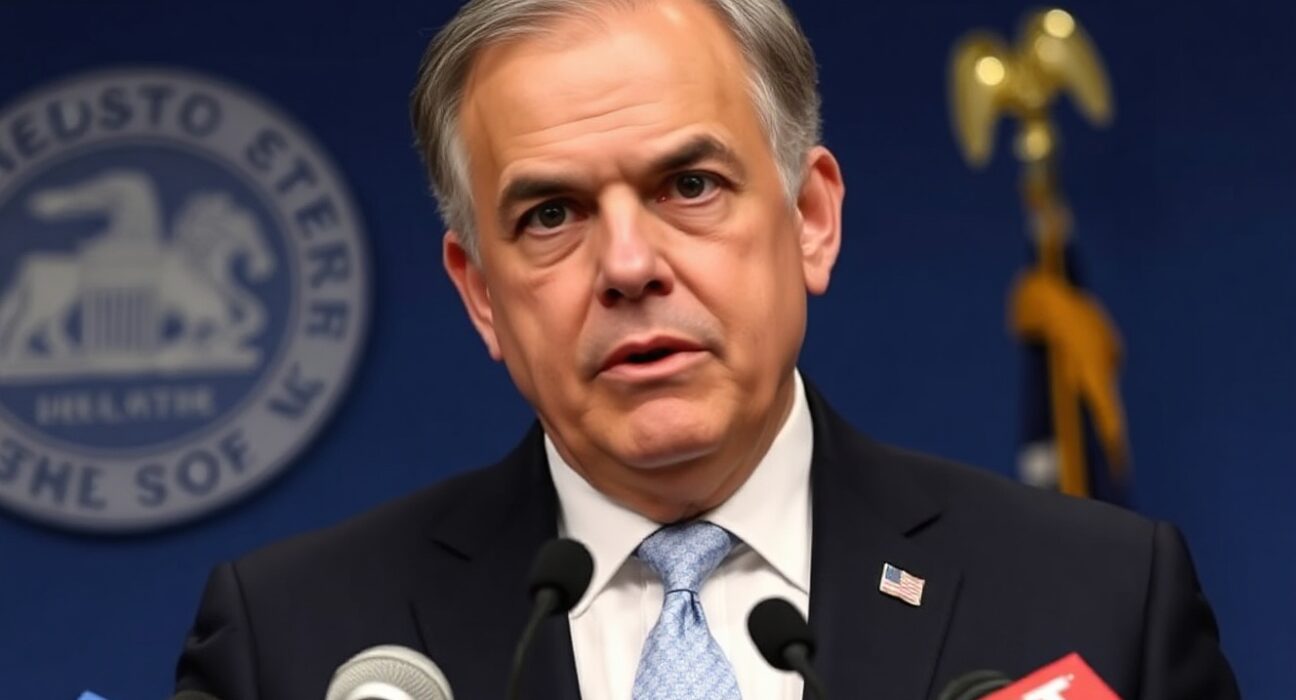
Minneapolis Federal Reserve President Neel Kashkari has issued a stark warning that escalating inflation risks stemming from geopolitical tensions in the Middle East could force the U.S. central bank to implement a series of interest rate hikes. Speaking at a recent economic forum, Kashkari highlighted that disruptions to global energy supplies and supply chains, exacerbated by the ongoing conflict, pose a significant upside risk to the inflation outlook.
Geopolitical Tensions and Inflationary Pressures
Kashkari’s comments come amid heightened uncertainty in global markets. The conflict in the Middle East has raised concerns about potential disruptions to oil production and shipping routes, which could drive up energy costs. Higher energy prices typically feed into broader inflation, impacting everything from transportation to manufacturing. Kashkari noted that if these supply-side shocks persist, the Fed may need to respond with tighter monetary policy to prevent inflation from becoming entrenched above its 2% target.
Implications for Monetary Policy
The Minneapolis Fed president’s remarks suggest that the central bank is prepared to act decisively if the geopolitical situation deteriorates further. While the Fed has held interest rates steady in recent meetings, Kashkari’s hawkish stance indicates that a series of rate hikes remains a viable tool. This could mean higher borrowing costs for consumers and businesses, potentially slowing economic growth. Kashkari emphasized that the Fed’s primary mandate remains price stability, even if it means cooling the labor market.
What This Means for Investors and Consumers
For investors, Kashkari’s warning signals increased volatility in bond and equity markets. Rate hikes typically lead to lower stock valuations and higher yields on government bonds. Consumers could face higher interest rates on mortgages, credit cards, and auto loans, dampening spending. However, Kashkari also acknowledged the uncertainty surrounding the outlook, noting that the Fed will remain data-dependent and adjust its policy stance as new information emerges.
Conclusion
Kashkari’s comments underscore the delicate balancing act the Federal Reserve faces as it navigates geopolitical risks alongside domestic inflation. While the central bank has made progress in bringing down inflation from its 2022 peaks, the Middle East conflict introduces a new variable that could complicate the path to price stability. Markets will be closely watching upcoming economic data and Fed communications for further clues on the trajectory of interest rates.
FAQs
Q1: Why is the Middle East conflict a risk to U.S. inflation?
The Middle East is a major oil-producing region. Conflict can disrupt supply, leading to higher energy prices, which increase costs across the economy and fuel inflation.
Q2: How would a series of rate hikes affect the average consumer?
Higher interest rates make borrowing more expensive, including mortgages, credit cards, and auto loans. This can reduce consumer spending and slow economic growth.
Q3: Is the Fed likely to raise rates soon?
Kashkari’s comments indicate it’s a possibility if inflation risks materialize, but the Fed remains data-dependent. No immediate rate hike is guaranteed, and future decisions will depend on economic data.
Disclaimer: The information provided is not trading advice, Bitcoinworld.co.in holds no liability for any investments made based on the information provided on this page. We strongly recommend independent research and/or consultation with a qualified professional before making any investment decisions.
