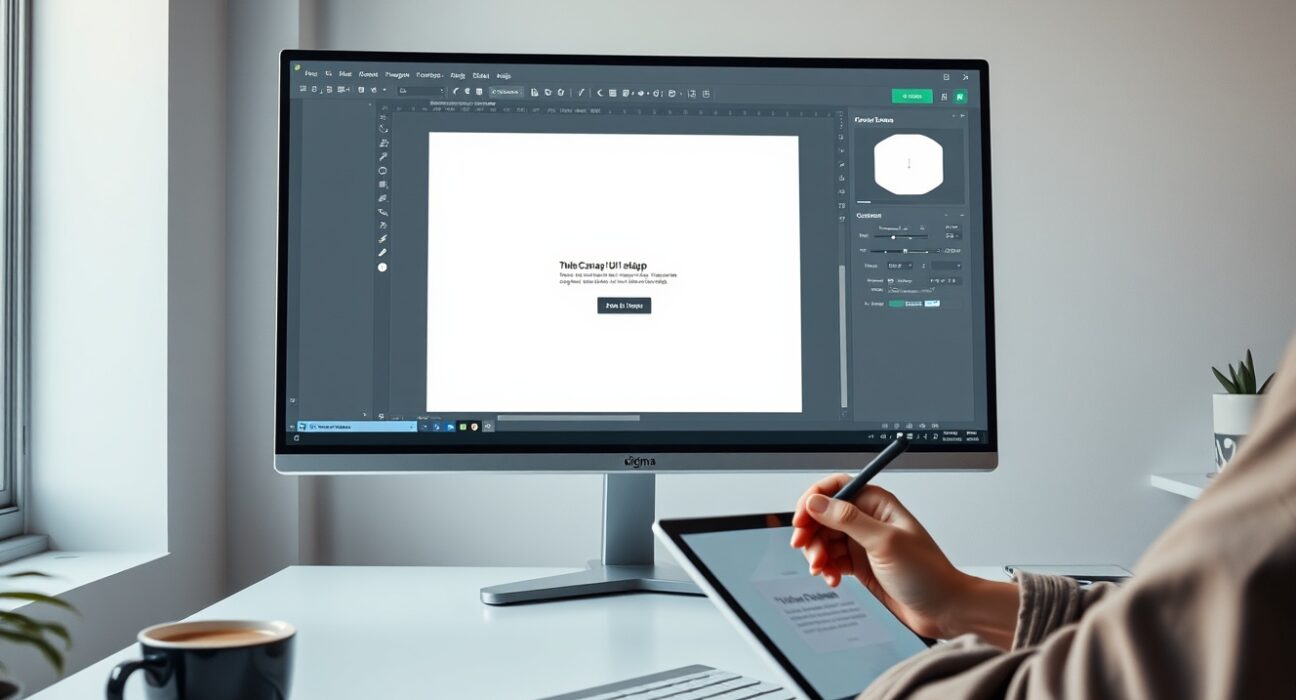
Figma has introduced a new AI agent that operates directly within its collaborative canvas, allowing users to generate new designs, edit existing ones, and automate repetitive tasks using natural language prompts. The feature, announced Tuesday, represents the company’s most direct integration of generative AI into its core design workflow.
How the AI agent works
The AI agent can be directed through text prompts to perform a range of design actions, from creating layout iterations to adjusting visual elements. Users can also launch multiple agents simultaneously to handle different tasks in parallel. Figma says the underlying models have been fine-tuned specifically for design contexts, enabling the assistant to understand elements like layers, components, and style properties.
Figma’s chief design officer, Loredana Crisan, said in a statement that as building software becomes easier, setting direction and deciding what to work on matters most. The agent is intended to help teams test ideas, visualize edge cases, and refine concepts together without getting bogged down in tedious manual work.
Strategic context and competitive landscape
The launch follows Figma’s recent partnerships with OpenAI and Anthropic to support AI coding tools like Claude Code and Codex within its environment. The company has also been expanding its feature set through acquisitions, including the node-based design tool Weavy last year, and adding new image editing capabilities.
Figma faces growing competition from Canva, Adobe, Flora, Krea, and Dessn. Despite these pressures, the company reported revenue of $333.4 million in the first quarter of 2026, a 46% increase year-over-year, suggesting that fears of AI reducing demand for design tools have not materialized in its financial results.
What this means for designers
The AI agent is first launching in Figma Design, with plans to expand to other Figma products over time. The company has indicated it wants to bring design and code closer together within its apps, potentially blurring the line between visual design and development. For designers, the tool may reduce time spent on repetitive tasks, but also raises questions about how AI will reshape creative workflows and job roles in the industry.
Conclusion
Figma’s new AI agent marks a significant step in embedding generative AI into professional design tools. By allowing natural language control and multi-agent collaboration, the company is betting that AI can augment rather than replace human creativity. The feature’s success will depend on how well it integrates into existing workflows and whether it delivers meaningful productivity gains without sacrificing design quality.
FAQs
Q1: When will Figma’s AI agent be available?
The AI agent is launching first in Figma Design, with a broader rollout to other Figma products planned for later.
Q2: Can the AI agent work with existing designs?
Yes. Users can direct the agent to edit existing designs, generate iterations, and automate tasks on current projects.
Q3: Does the AI agent require coding knowledge?
No. The agent is controlled through natural language text prompts, making it accessible to designers without programming skills.
Disclaimer: The information provided is not trading advice, Bitcoinworld.co.in holds no liability for any investments made based on the information provided on this page. We strongly recommend independent research and/or consultation with a qualified professional before making any investment decisions.