
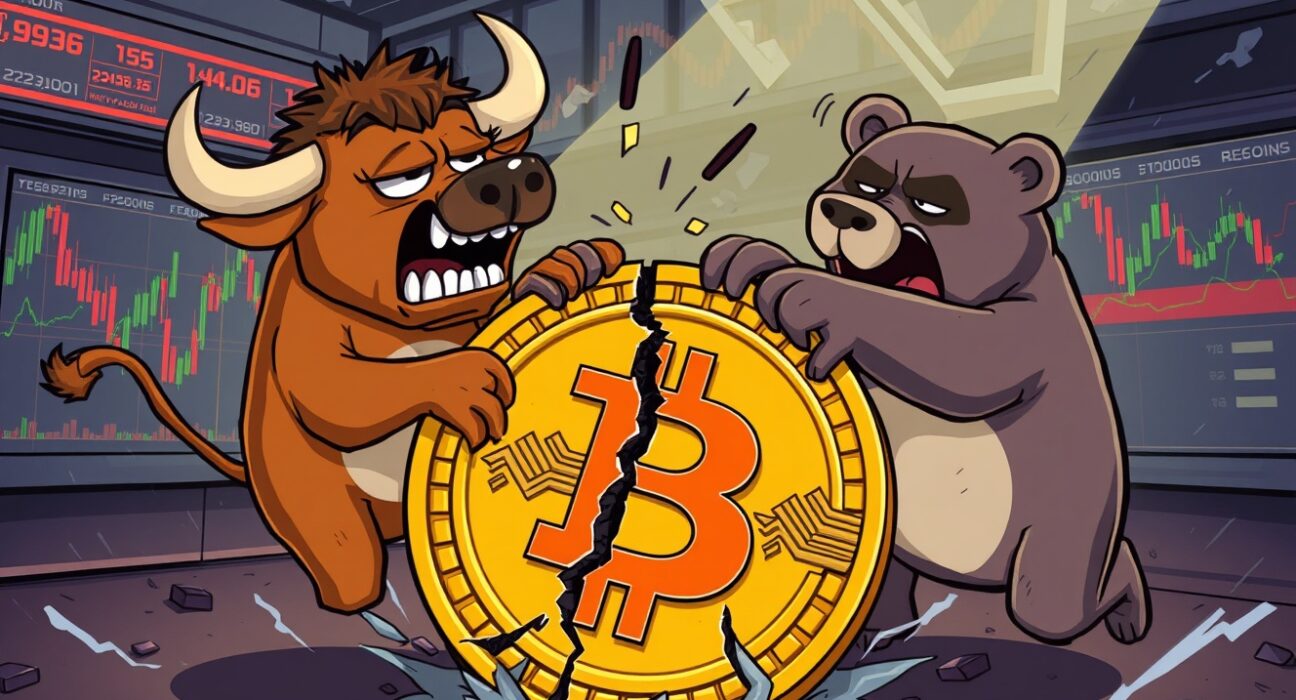
The cryptocurrency market just experienced a brutal hour of reckoning. Data from major exchanges reveals a staggering $119 million worth of futures liquidated in a mere 60 minutes. This intense volatility serves as a powerful reminder of the high-stakes nature of leveraged trading. For traders and investors alike, understanding these futures liquidated events is crucial for navigating the market’s turbulent waters.
What Does $119 Million in Futures Liquidated Actually Mean?
When we talk about futures being liquidated, we’re referring to the forced closure of leveraged positions. Essentially, exchanges automatically sell a trader’s assets when their position loses too much value to cover the initial borrowed funds. The past hour saw this happen on a massive scale, totaling $119 million. Therefore, this isn’t just a statistic; it represents significant, instant financial loss for thousands of traders who bet incorrectly on the market’s direction.
Why Do These Massive Liquidations Happen?
Such a concentrated wave of futures liquidated is typically the result of a sharp, unexpected price move. Let’s break down the common triggers:
- Leverage Overload: Traders using high leverage (like 10x or 20x) are highly vulnerable. A small price swing against their position can trigger a liquidation.
- Cascading Effect: Initial liquidations can force more selling, pushing the price further and triggering even more liquidations in a domino effect.
- Market Sentiment Shift: Sudden news, a large whale sell-off, or technical breakdowns can spark panic and rapid price declines.
In the past 24 hours, the total soared to $417 million futures liquidated, painting a picture of a highly volatile and corrective market session.
How Can Traders Navigate This Volatility?
Watching $119 million vanish is a sobering lesson. However, you can implement strategies to protect your capital. First, manage your risk by using sensible leverage. Lower leverage means a larger price buffer before liquidation. Second, always use stop-loss orders. These automatically exit your trade at a predetermined price, helping you avoid a forced liquidation. Finally, stay informed. Monitor funding rates and open interest; unusually high values can signal an overcrowded trade ripe for a squeeze.
The Bigger Picture: What’s Next After This Liquidation Wave?
A flush of futures liquidated often acts as a reset button for the market. It removes excessive leverage, which can reduce selling pressure and potentially pave the way for a more stable price foundation. For long-term investors, these events can create buying opportunities at lower prices. However, it also underscores the market’s inherent risk. The key takeaway is that while futures trading offers high reward potential, the risk of having your position futures liquidated is equally high and very real.
In conclusion, the $119 million futures liquidated event is a stark testament to crypto market volatility. It highlights the critical importance of risk management over greed. By understanding the mechanics behind liquidations and adopting disciplined trading habits, you can better weather these inevitable storms and participate in the market more safely.
Frequently Asked Questions (FAQs)
What causes a futures liquidation?
A futures liquidation occurs when a trader’s leveraged position loses enough value that their remaining collateral no longer covers the potential loss. The exchange then forcibly closes the position to prevent further debt.
Is a high liquidation event bullish or bearish?
It can be both. In the short term, it’s bearish as it forces sell-offs. However, by wiping out over-leveraged positions, it can reduce future selling pressure and is sometimes seen as a necessary cleanse before a potential price recovery.
How can I check liquidation data?
You can use data aggregation websites like Coinglass or Bybit’s tools, which track real-time and historical liquidation volumes across all major cryptocurrency exchanges.
Does this mainly affect Bitcoin?
While Bitcoin often sees the largest single value liquidated, such events impact the entire crypto market, especially altcoins paired with Bitcoin (like ETH or SOL), as their prices are highly correlated.
Can liquidations be predicted?
Not precisely, but warning signs exist. Extremely high funding rates and record levels of open interest often indicate a market overly skewed in one direction, increasing the risk of a liquidation cascade if the price reverses.
What’s the difference between long and short liquidations?
Long liquidations happen when the price falls sharply, wiping out bets on higher prices. Short liquidations occur during rapid price rallies, wiping out bets on lower prices. The recent $119 million event likely involved mostly long liquidations.
Found this breakdown of the massive futures liquidated event helpful? Share this article on Twitter or Telegram to help other traders understand market risks and the importance of managing leverage. Knowledge is the best defense in a volatile market.
To learn more about the latest Bitcoin trends, explore our article on key developments shaping Bitcoin price action and institutional adoption.
Disclaimer: The information provided is not trading advice, Bitcoinworld.co.in holds no liability for any investments made based on the information provided on this page. We strongly recommend independent research and/or consultation with a qualified professional before making any investment decisions.