

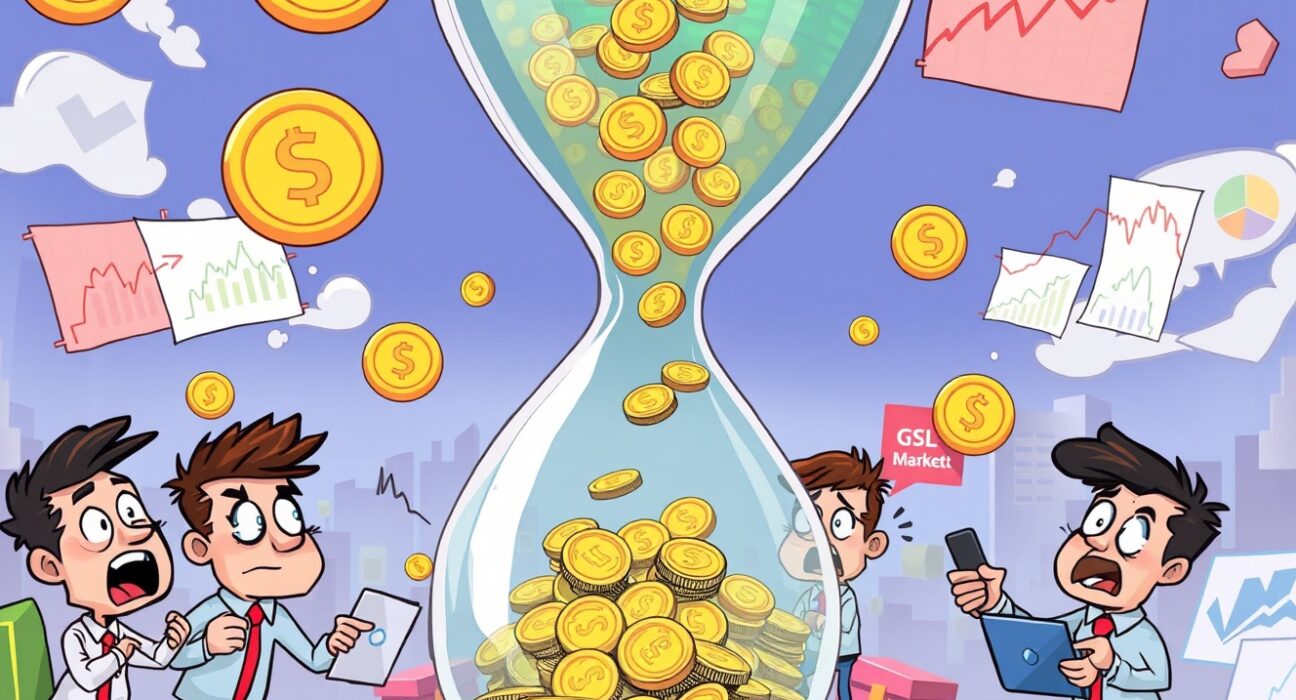
The cryptocurrency market just experienced a turbulent hour that saw a staggering $103 million worth of futures liquidated across major exchanges. This rapid sell-off event highlights the extreme volatility and high-risk nature of leveraged trading, serving as a crucial reminder for all market participants. Let’s break down what happened and what it means for your portfolio.
What Does $103 Million in Futures Liquidated Actually Mean?
When we talk about futures being liquidated, we’re referring to the forced closure of leveraged trading positions. This occurs when a trader’s collateral falls below the required maintenance margin. Essentially, the exchange automatically sells the position to prevent further losses. The past hour’s $103 million futures liquidated event represents a massive, coordinated unwinding of bets, primarily impacting traders using high leverage.
This scale of liquidation often creates a feedback loop. Forced selling drives the price down further, which can trigger more liquidations in a cascading effect. Therefore, understanding these events is key to navigating crypto volatility.
Why Do These Massive Liquidation Events Happen?
Several factors can converge to create the perfect storm for a futures liquidated cascade. The primary triggers usually include:
- Sudden Price Swings: A sharp, unexpected price drop in a major asset like Bitcoin can instantly put many leveraged long positions underwater.
- Overleveraged Markets: When excessive borrowing is prevalent, the market becomes fragile. Even a minor correction can wipe out highly leveraged traders.
- Market Sentiment Shifts: Negative news or macroeconomic data can spark a rapid shift from greed to fear, prompting a rush for the exits.
The $103 million futures liquidated in one hour, expanding to $243 million over 24 hours, suggests a significant sentiment shift and a market flushing out overextended positions.
How Can Traders Protect Themselves from Liquidation?
While liquidations are a market reality, prudent risk management can shield you from being a casualty. Here are actionable steps every futures trader should consider:
- Use Lower Leverage: Resist the temptation of 50x or 100x. Lower leverage (e.g., 3x-10x) provides a much larger buffer against price swings.
- Set Stop-Loss Orders: Define your maximum loss upfront. A stop-loss order can close your position automatically before a margin call triggers a forced liquidation.
- Monitor Funding Rates: Extremely high positive funding rates can signal an overcrowded long trade, often a precursor to a squeeze.
- Never Risk More Than You Can Afford: This timeless advice is paramount in futures trading, where losses can exceed your initial deposit.
Remember, the goal is to survive the volatility. The traders who avoided being part of the $103 million futures liquidated statistic are likely those who practiced strict discipline.
The Ripple Effect: What Happens After a Major Liquidation?
A wave of futures liquidated doesn’t just affect the traders involved. It has broader market implications:
- Increased Volatility: The forced selling adds selling pressure, often amplifying the initial price move.
- Market Reset: It can wash out “weak hands” and overleveraged positions, potentially creating a healthier foundation for the next move.
- Opportunity for Others: Sharp dips caused by liquidations can present buying opportunities for spot traders and investors with dry powder.
Therefore, while alarming, these events are a natural part of the market cycle, transferring capital from overconfident speculators to patient investors.
Conclusion: Navigating the Waves of Volatility
The event that saw $103 million in futures liquidated in a single hour is a powerful case study in crypto market dynamics. It underscores the non-negotiable importance of risk management in leveraged trading. Volatility is a double-edged sword; it creates the opportunity for large gains but also the risk of catastrophic losses. By understanding the mechanics of liquidation, using prudent leverage, and always having a risk plan, traders can aim to profit from the markets without becoming another line item in the next liquidation report.
Frequently Asked Questions (FAQs)
Q: What exactly is a futures liquidation?
A: A futures liquidation is the forced closure of a leveraged trading position by an exchange. This happens when the trader’s account equity falls below the required maintenance margin, triggering an automatic sell order to limit the exchange’s risk.
Q: Does a high liquidation volume mean the market is crashing?
A: Not necessarily. While it indicates severe stress and a sharp price move, it doesn’t always signal a prolonged crash. Often, it’s a short-term volatility spike that flushes out leverage before the market finds a new direction.
Q: Who benefits from futures being liquidated?
A: Counterparties on the opposite side of the trade (e.g., short sellers during a long squeeze) profit directly. Additionally, spot market buyers may benefit from temporarily lower prices caused by the forced selling pressure.
Q: How can I check real-time liquidation data?
A: Several crypto analytics websites like Coinglass or Bybit provide real-time liquidation heatmaps and charts, showing the volume and locations of major liquidations across exchanges.
Q: Are liquidations more common in crypto than traditional markets?
A: Yes, significantly. Crypto markets operate 24/7 with higher volatility and easier access to extreme leverage (like 100x), making liquidation events more frequent and dramatic than in most traditional futures markets.
Found this breakdown of the $103 million futures liquidated event helpful? Market wisdom is best when shared! Help fellow traders stay informed by sharing this article on your social media channels like Twitter or Reddit.
To learn more about the latest crypto market trends, explore our article on key developments shaping Bitcoin price action and institutional adoption.
Disclaimer: The information provided is not trading advice, Bitcoinworld.co.in holds no liability for any investments made based on the information provided on this page. We strongly recommend independent research and/or consultation with a qualified professional before making any investment decisions.
