
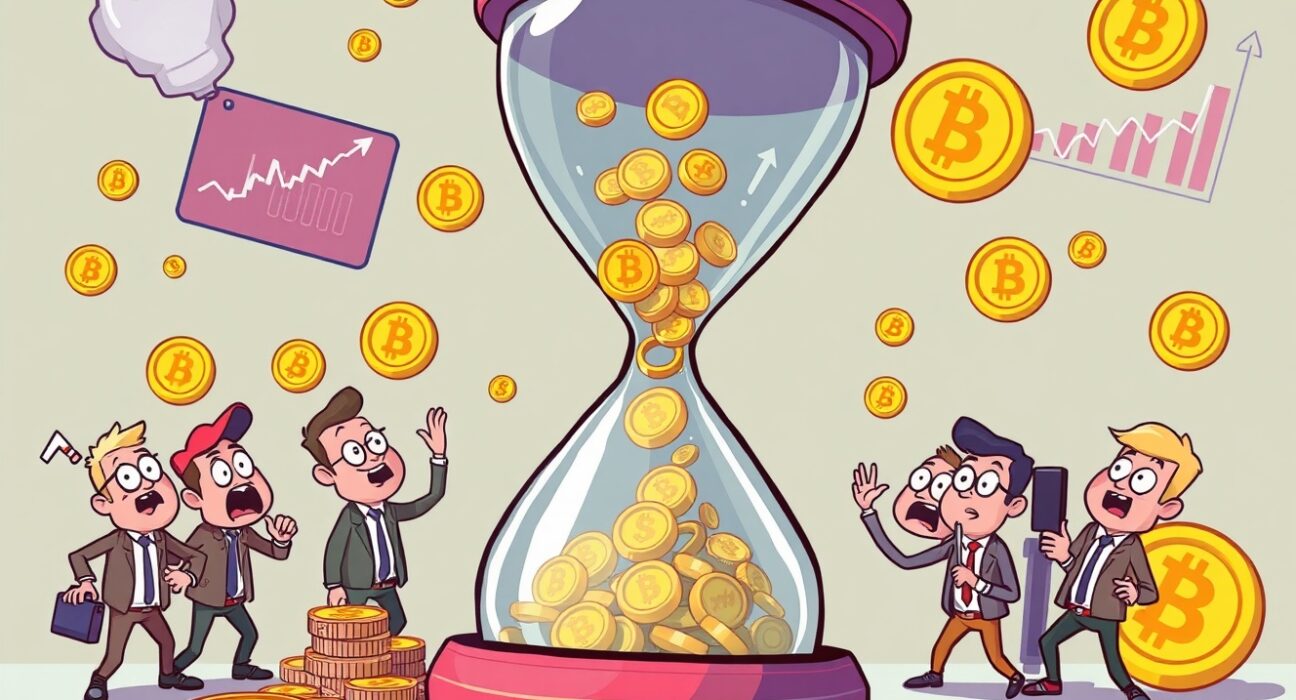
The cryptocurrency market just experienced a moment of intense pressure. In a single hour, a staggering $130 million worth of futures positions were liquidated across major exchanges. This rapid-fire event, part of a larger $265 million in liquidations over 24 hours, serves as a stark reminder of the volatile nature of crypto derivatives trading. But what does this mean for you, and why should every trader pay attention?
What Does “Futures Liquidated” Actually Mean?
Before we dive into the implications, let’s clarify the core event. When traders use leverage to open futures contracts, they post collateral. If the market moves against their position and their collateral falls below a maintenance threshold, the exchange automatically closes, or liquidates, the trade to prevent further loss. This hour saw $130 million in forced closures, indicating a sharp, unexpected price move that caught many leveraged traders off guard.
Why Did $130 Million in Futures Get Liquidated?
Such a concentrated wave of liquidations doesn’t happen in a vacuum. It’s typically the result of a powerful market move that triggers a cascade. Here are the common catalysts:
- Sharp Price Swings: A rapid 5-10% drop in Bitcoin or Ethereum can wipe out highly leveraged long positions.
- Liquidation Clustering: As initial positions get liquidated, the selling pressure can push prices down further, triggering more liquidations in a domino effect.
- High Leverage Use: Traders using 10x, 25x, or even 100x leverage have very little margin for error.
- Major News Events: Unexpected regulatory announcements or macroeconomic data can spark immediate volatility.
The Ripple Effect: How Liquidations Impact the Broader Market
This event is more than just bad news for the traders directly involved. A significant futures liquidated event creates ripples across the entire ecosystem. Forced selling from liquidations adds downward pressure on spot prices. Moreover, it can lead to increased funding rates as the market rebalances. Most importantly, it erodes trader confidence and can induce panic, leading to more conservative positioning in the short term.
How Can Traders Avoid Getting Caught in a Liquidation Storm?
Surviving and thriving in volatile markets requires strategy. Here are actionable steps to protect your capital:
- Use Lower Leverage: Consider 3x-5x instead of 20x+. It gives your position room to breathe.
- Set Stop-Loss Orders: Define your risk upfront with a stop-loss, rather than relying on the exchange’s liquidation engine.
- Monitor Funding Rates: Extremely high positive or negative rates can signal overcrowded trades and potential volatility.
- Never Over-allocate: Only risk capital you can afford to lose on leveraged trades.
Remember, the goal is to be the one observing the wave of positions being liquidated, not being swept away by it.
Looking Ahead: What’s Next After a Major Liquidation Event?
Historically, markets often find a local bottom or enter a period of consolidation after a large futures liquidated flush. It can wash out weak leverage and set the stage for a more stable move. However, it also signals that volatility is present and traders should remain vigilant. The key is to analyze whether the liquidations have reset the market or if further downside pressure remains.
Conclusion: Respect the Leverage, Preserve Your Capital
The $130 million futures liquidated event is a powerful lesson in risk management. While leverage can amplify gains, today’s data shows how brutally it can amplify losses. Successful trading isn’t just about predicting direction; it’s about managing risk through volatility. By understanding the mechanics of liquidations and employing prudent strategies, you can navigate these turbulent waters and keep your portfolio intact for the next opportunity.
Frequently Asked Questions (FAQs)
Q1: What is a futures liquidation in crypto?
A: A futures liquidation occurs when an exchange automatically closes a leveraged trader’s position because their collateral has fallen below the required maintenance margin, preventing further losses.
Q2: Why do liquidations happen so quickly?
A: They happen quickly due to automated systems. When price hits a certain level, the exchange’s engine instantly closes the position to protect itself and the trader from owing more than their collateral.
Q3: Does a high liquidation event mean the market will crash?
A: Not necessarily. While it indicates severe short-term volatility and pain for leveraged traders, it can sometimes “wash out” excessive leverage and lead to a market rebound or stabilization.
Q4: How can I check current liquidation levels?
A: Websites like Coinglass or Bybit provide real-time liquidation heatmaps, showing where large clusters of stop-loss and liquidation orders are placed.
Q5: Are futures liquidations bad for Bitcoin’s price?
A: In the immediate term, the forced selling from liquidations creates downward pressure. However, in the longer term, it can remove unstable leverage from the system.
Q6: Should I avoid futures trading because of liquidation risk?
A: Not if you understand the risks. Use low leverage, strict stop-losses, and proper position sizing. Treat futures as a high-risk tool, not a primary investment vehicle.
Found this breakdown of the $130 million futures liquidation helpful? Understanding market mechanics is key to smarter trading. Share this article on Twitter or Telegram to help other traders in your circle navigate volatility and manage their risk more effectively!
To learn more about the latest crypto market trends, explore our article on key developments shaping Bitcoin price action and institutional adoption.
Disclaimer: The information provided is not trading advice, Bitcoinworld.co.in holds no liability for any investments made based on the information provided on this page. We strongly recommend independent research and/or consultation with a qualified professional before making any investment decisions.