

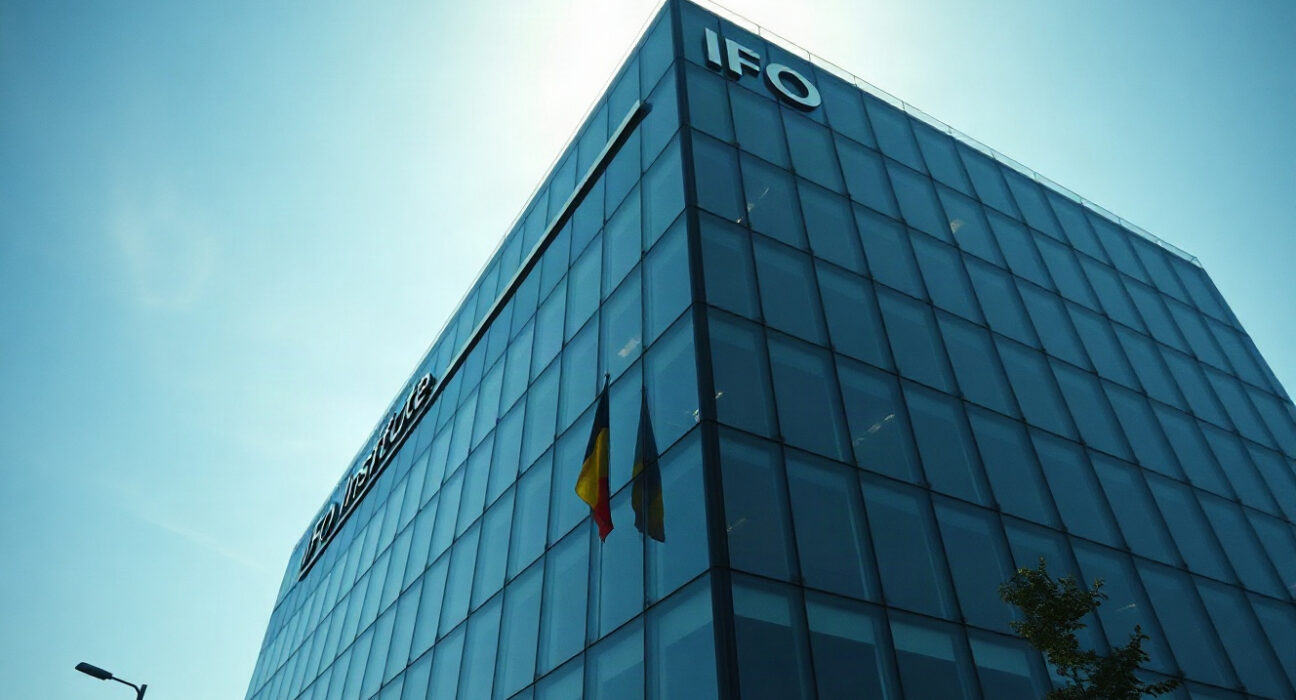
Germany’s IFO Business Climate Index rose to 88.8 in March, surpassing market expectations of 87.2 and marking the third consecutive monthly increase, according to data released on Tuesday. The improvement signals a gradual stabilization in Europe’s largest economy, which has struggled with high energy costs and weak global demand.
What the Latest IFO Data Shows
The headline index, which is based on a monthly survey of around 9,000 German firms, climbed from a revised 87.0 in February. The increase was driven by both a more optimistic assessment of the current situation and brighter expectations for the coming months. The current conditions sub-index rose to 88.9 from 87.5, while the expectations gauge advanced to 88.7 from 86.4.
Economists had anticipated a more modest recovery, making the actual reading a positive surprise. The data suggests that the German economy may be turning a corner after a period of stagnation, with the manufacturing sector showing signs of resilience despite persistent challenges.
Why the IFO Index Matters for the Eurozone
The IFO index is closely watched by financial markets and policymakers as a leading indicator of economic activity in Germany, the Eurozone’s largest economy. A sustained improvement in business sentiment could reduce pressure on the European Central Bank to cut interest rates further, while also supporting the euro in currency markets.
Recent data from other indicators, such as the ZEW economic sentiment index, have also shown improvement, reinforcing the view that the German economy is stabilizing. However, economists caution that the recovery remains fragile, with geopolitical tensions and weak global trade continuing to pose risks.
What This Means for Investors and Businesses
For investors, the better-than-expected IFO reading may lead to a reassessment of German growth prospects, potentially boosting confidence in European equities and the euro. For businesses, the improved sentiment could translate into higher investment and hiring plans, though many firms remain cautious due to high energy prices and regulatory uncertainties.
Conclusion
The March IFO Business Climate Index provides further evidence that Germany’s economic downturn is easing, offering a glimmer of hope for the broader Eurozone. While the recovery is expected to be gradual, the consistent upward trend in business morale is a welcome sign for policymakers and market participants alike.
FAQs
Q1: What is the IFO Business Climate Index?
The IFO Business Climate Index is a monthly survey of German businesses that measures their current assessment and expectations for the next six months. It is a widely used leading indicator for the German economy.
Q2: How does the IFO index affect the Eurozone?
As Germany is the largest economy in the Eurozone, changes in the IFO index can influence the European Central Bank’s monetary policy decisions and impact the euro’s value. A higher index typically signals stronger economic growth, which can lead to tighter monetary policy.
Q3: What does the latest reading mean for the German economy?
The rise to 88.8 suggests that German business sentiment is improving, which may indicate that the economy is stabilizing after a period of stagnation. However, the recovery is still fragile, and external risks remain.
Disclaimer: The information provided is not trading advice, Bitcoinworld.co.in holds no liability for any investments made based on the information provided on this page. We strongly recommend independent research and/or consultation with a qualified professional before making any investment decisions.
