

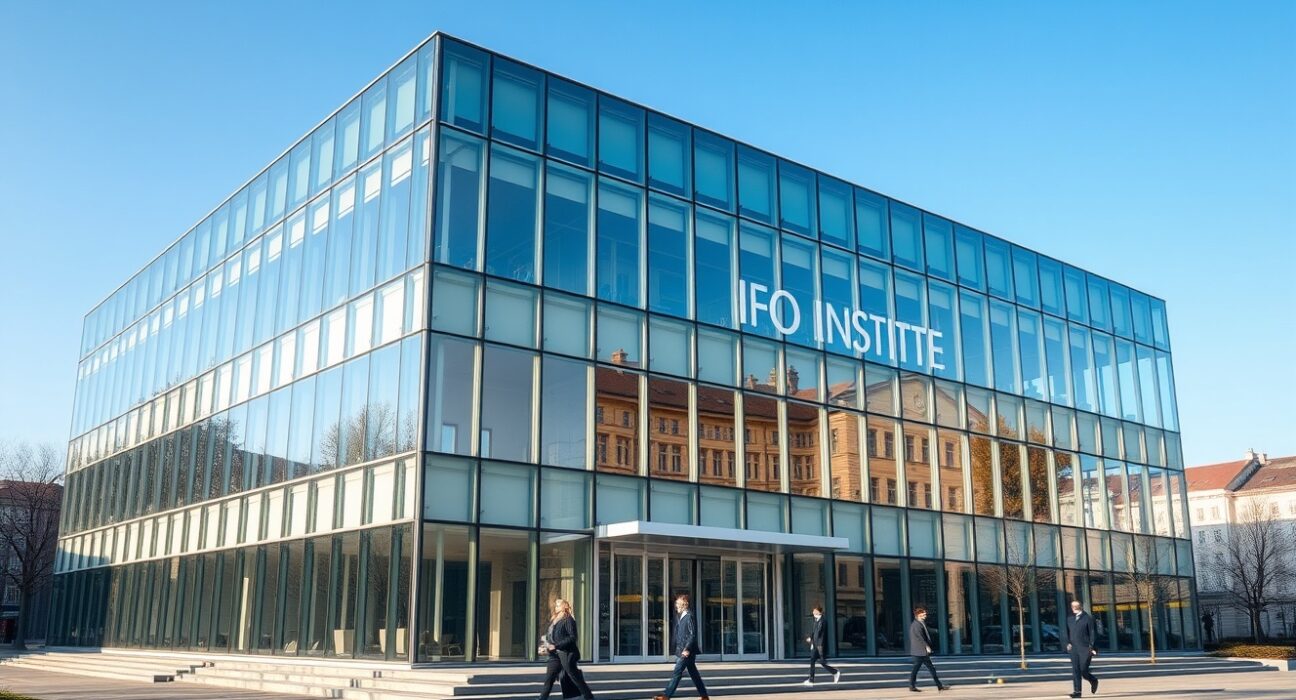
Germany’s IFO Business Climate index rose to 84.9 in May, surpassing both market expectations of 84.2 and the previous month’s revised reading of 84.0. The unexpected improvement offers a glimmer of hope for Europe’s largest economy, which has been navigating persistent industrial weakness and subdued global demand.
Breaking Down the Data
The headline figure, based on a survey of approximately 9,000 German firms, reflects a modest brightening in business sentiment across manufacturing, services, trade, and construction sectors. The current assessment component edged up to 88.3 from 87.9, while expectations for the next six months also improved slightly to 81.6 from 81.0. Analysts had anticipated a more cautious reading, making the beat a positive surprise for markets.
What This Means for the German Economy
While the uptick is welcome, the index remains well below its long-term average of around 100, indicating that the business community still views the overall economic environment as challenging. The manufacturing sector, in particular, continues to face headwinds from high energy costs, weak export orders, and structural adjustments in the automotive industry. However, the improvement in expectations suggests that companies may be pricing in a gradual recovery later in the year, possibly supported by easing inflation and anticipated interest rate cuts from the European Central Bank.
Market Reaction and Broader Implications
Financial markets responded positively to the data, with the euro gaining modestly against the US dollar and German Bund yields edging higher. For investors, the IFO reading serves as a leading indicator of economic momentum. A sustained recovery in business confidence could reduce the pressure on the ECB to accelerate monetary easing, though policymakers are likely to remain data-dependent. For consumers and businesses in Germany, the survey hints at a potential stabilization, though a full recovery is not yet in sight.
Conclusion
The May IFO Business Climate index beat expectations, offering a cautiously optimistic signal for Germany’s economic trajectory. While the data does not yet point to a strong rebound, it provides evidence that the downturn may be bottoming out. Markets and policymakers will watch the coming months’ releases closely to confirm whether this improvement is the start of a sustained trend or merely a temporary reprieve.
FAQs
Q1: What is the IFO Business Climate index?
The IFO Business Climate index is a widely followed monthly survey of around 9,000 German firms across manufacturing, services, trade, and construction. It measures current business conditions and expectations for the next six months, providing a leading indicator of economic activity in Germany.
Q2: Why did the index beat expectations in May?
The improvement was driven by slightly better assessments of current conditions and a marginal rise in business expectations. Analysts had forecast a reading of 84.2, but the actual figure came in at 84.9, reflecting a modest uptick in sentiment despite ongoing structural and cyclical challenges.
Q3: How does the IFO index affect financial markets?
The IFO index influences currency, bond, and equity markets because it signals the health of Germany’s economy, the largest in the eurozone. A better-than-expected reading can boost the euro and raise bond yields, as it may reduce the likelihood of aggressive ECB rate cuts. Conversely, a weak reading can weigh on market sentiment.
Disclaimer: The information provided is not trading advice, Bitcoinworld.co.in holds no liability for any investments made based on the information provided on this page. We strongly recommend independent research and/or consultation with a qualified professional before making any investment decisions.
