

Germany’s industrial production rose 0.4% month-on-month in April, according to data released by the Federal Statistical Office (Destatis) on Friday. The figure matched economists’ expectations, offering a modest sign of stabilization in Europe’s largest economy after a period of sluggish industrial activity.
Key Sectors Drive the Uptick
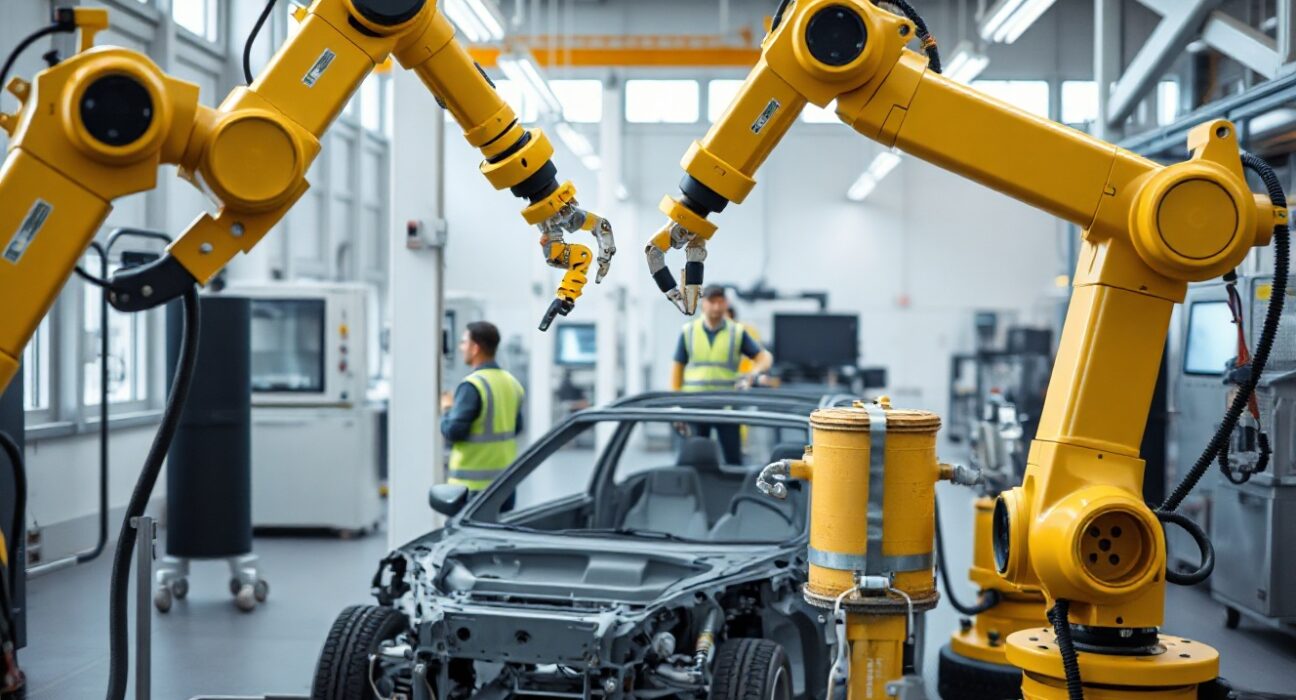
The increase was primarily driven by a rebound in the automotive sector and machinery manufacturing, which together account for a significant share of Germany’s industrial output. Energy-intensive industries also saw a slight recovery, supported by lower energy costs compared to the previous year. However, construction output declined, partially offsetting the gains.
Context and Broader Trends
Germany’s manufacturing sector has faced persistent headwinds over the past two years, including elevated energy prices, weaker global demand, and structural shifts in the automotive industry. The April data, while positive, does not yet signal a sustained turnaround. Industrial production remains below pre-pandemic levels in several key categories, and forward-looking indicators such as the Ifo Business Climate Index and PMI surveys continue to point to cautious sentiment among manufacturers.
Implications for the Eurozone Economy
As Germany is the largest economy in the Eurozone, its industrial output figures are closely watched by policymakers at the European Central Bank and by financial markets. The modest improvement in April supports the view that the Eurozone may be gradually recovering from the industrial downturn that began in late 2022. However, analysts caution that the recovery remains fragile and dependent on external demand, particularly from China and the United States.
Conclusion
The 0.4% monthly increase in Germany’s industrial production for April is a welcome development, but it does not fundamentally alter the challenging outlook for the country’s manufacturing sector. Investors and policymakers will continue to monitor upcoming data releases for signs of a more durable recovery.
FAQs
Q1: What does the 0.4% MoM increase in Germany’s industrial production mean?
It means that the total output of Germany’s factories, mines, and utilities rose by 0.4% in April compared to March, matching the average forecast of economists. This is a moderate positive signal for the economy.
Q2: Which sectors contributed most to the increase?
The automotive industry and machinery manufacturing were the main contributors. Energy-intensive industries also showed slight improvement, while construction output declined.
Q3: Why is Germany’s industrial production important for the global economy?
Germany is Europe’s largest economy and a major exporter of machinery, vehicles, and chemicals. Changes in its industrial output can influence global supply chains, trade flows, and the economic outlook for the entire Eurozone.
Disclaimer: The information provided is not trading advice, Bitcoinworld.co.in holds no liability for any investments made based on the information provided on this page. We strongly recommend independent research and/or consultation with a qualified professional before making any investment decisions.
