

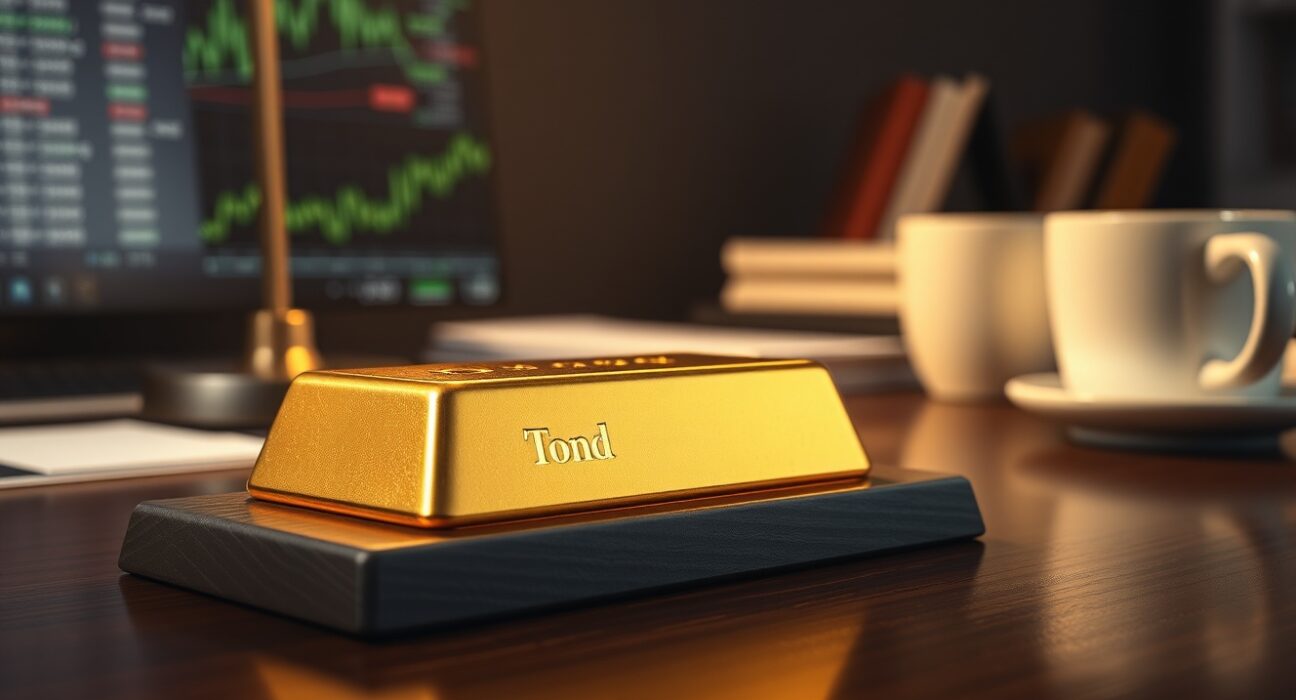
Gold prices are finding support from growing expectations that central banks may ease monetary policy in response to shifting energy markets, according to a recent analysis from ING. The report highlights how falling energy costs could temper inflation, potentially giving policymakers room to cut interest rates—a scenario that historically benefits gold.
Energy Costs and Monetary Policy Link
The relationship between energy prices and central bank policy is a key driver for gold. ING analysts note that lower energy costs reduce overall inflation pressures, which could lead to a less aggressive stance from the Federal Reserve and other major central banks. This is significant because gold, which offers no yield, tends to perform well when interest rates are low or declining, as the opportunity cost of holding it decreases.
Market Context and Recent Trends
Gold has been trading in a relatively tight range in recent weeks, as investors weigh persistent inflation against signs of economic slowdown. The ING report adds a fresh perspective by focusing on the energy sector as a potential catalyst. The analysis points to recent declines in crude oil and natural gas prices as factors that could reshape the inflation outlook. If energy-driven disinflation materializes, it could accelerate the timeline for rate cuts, providing a tailwind for gold prices.
Implications for Investors
For market participants, the key takeaway is the importance of monitoring energy markets as a leading indicator for gold. The traditional focus on jobs data and consumer price index releases may need to be complemented with energy supply and demand dynamics. ING’s analysis suggests that gold could see renewed upside momentum if energy prices continue to soften, reinforcing the metal’s role as a hedge against monetary policy shifts.
Conclusion
ING’s latest report underscores the nuanced interplay between energy markets and gold prices. While the immediate outlook for gold remains tied to broader economic data, the energy-driven rate hope narrative provides a compelling framework for understanding potential price movements. Investors should watch for further developments in energy markets as a key variable in the gold price equation.
FAQs
Q1: How do energy prices affect gold?
Lower energy prices can reduce inflation, leading central banks to consider cutting interest rates. Lower rates make gold more attractive as an investment because it doesn’t pay interest, and the opportunity cost of holding it decreases.
Q2: What did ING specifically say about gold?
ING analysts stated that energy-driven rate hopes are supporting gold prices. They pointed to falling energy costs as a potential catalyst for monetary policy easing, which historically benefits gold.
Q3: Should investors buy gold now based on this analysis?
The ING report provides a positive outlook for gold if energy prices remain low, but investors should consider their own risk tolerance and portfolio strategy. It’s one factor among many, and gold prices are also influenced by geopolitical events, currency movements, and overall market sentiment.
Disclaimer: The information provided is not trading advice, Bitcoinworld.co.in holds no liability for any investments made based on the information provided on this page. We strongly recommend independent research and/or consultation with a qualified professional before making any investment decisions.
