

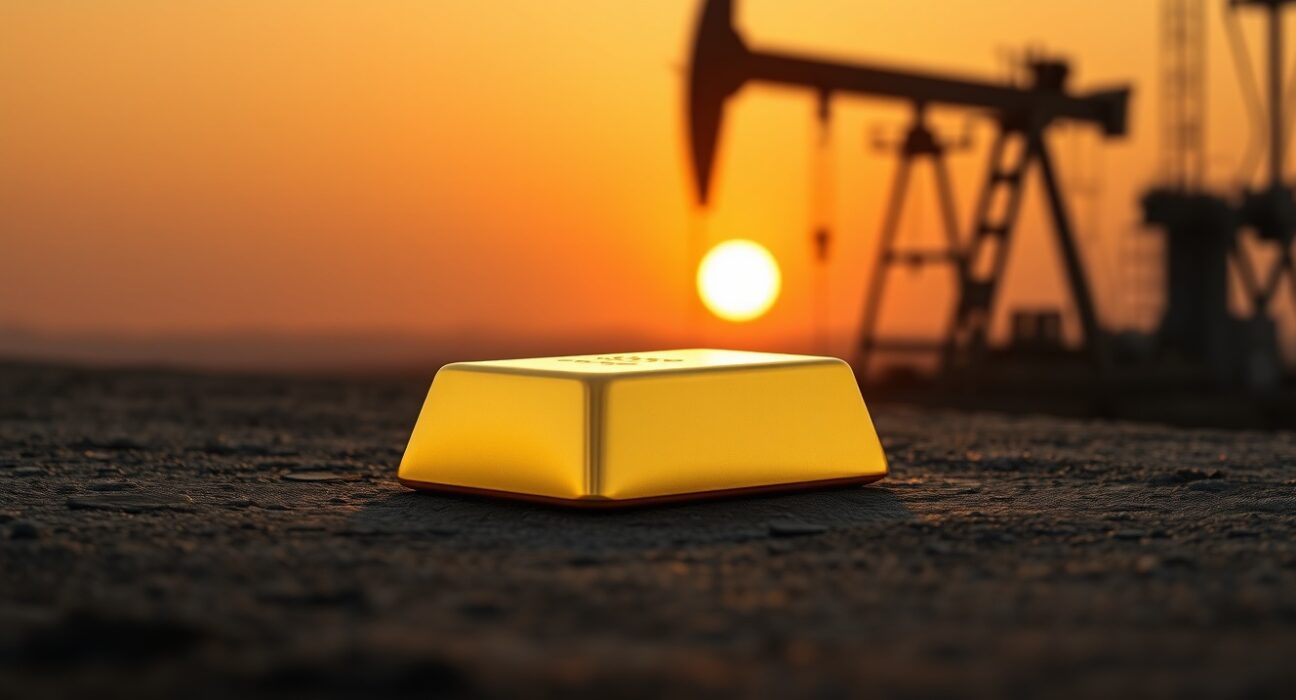
The gold market faces a fresh wave of uncertainty. Analysts at OCBC Bank warn that rising oil prices are clouding the outlook for Federal Reserve easing. This development directly challenges the gold price forecast. Many investors had pinned hopes on rate cuts. Now, those expectations face a significant hurdle.
Rising Oil Prices Complicate the Gold Price Forecast
OCBC’s latest report highlights a critical shift in the macroeconomic landscape. Surging crude oil costs are reigniting inflationary pressures. This trend directly impacts the gold price forecast. Higher inflation typically forces central banks to maintain tighter monetary policies. Consequently, the prospect of aggressive Fed easing diminishes. This scenario reduces the appeal of non-yielding assets like gold.
The connection between oil and gold is well-documented. Rising energy costs increase production expenses across the economy. This effect trickles down to consumer prices. For the Fed, this creates a dilemma. The central bank aims to support economic growth. However, it must also control inflation. Rising oil prices complicate this balancing act. They reduce the likelihood of rate cuts. This directly weakens the gold price forecast.
Fed Easing Hopes Diminish Amid Sticky Inflation
Market participants have long anticipated a pivot from the Federal Reserve. The hope for lower interest rates drove significant gold buying. However, the recent spike in oil prices changes the narrative. OCBC strategists note that sticky inflation is now a primary concern. The Fed may need to keep rates higher for longer. This shift in expectations pressures gold prices.
Historical data supports this view. Periods of high oil prices often correlate with Fed hawkishness. For example, the 2022 energy crisis led to aggressive rate hikes. Gold prices struggled during that period. A similar pattern may emerge now. The gold price forecast depends heavily on the Fed’s next move. If easing hopes fade, gold could face sustained selling pressure.
OCBC’s Expert Analysis on the Gold-Oil Dynamic
OCBC provides a detailed breakdown of this relationship. Their analysis uses a neutral, factual tone. They examine current oil supply constraints. Geopolitical tensions in the Middle East and production cuts by OPEC+ are key factors. These supply issues keep oil prices elevated. OCBC argues that this environment is bearish for gold in the short term.
The bank’s report also considers the impact on other asset classes. Rising oil costs hurt consumer spending. This slows economic growth. A weaker economy usually supports gold as a safe haven. However, the simultaneous inflation threat overrides this benefit. The net effect is negative for the gold price forecast. OCBC recommends caution for gold investors.
Market Reactions and Gold Price Volatility
Financial markets have already reacted to this shift. Gold prices experienced increased volatility in recent trading sessions. The precious metal failed to hold key support levels. Traders are reassessing their positions. The gold price forecast now includes a wider range of outcomes. Some analysts predict a correction. Others see a temporary setback.
The key driver remains the Fed’s communication. Any hawkish comments from Fed officials will reinforce the negative gold outlook. Conversely, dovish signals could revive the gold price forecast. However, OCBC believes the oil factor will dominate. As long as crude prices remain high, the path to Fed easing looks blocked.
Let’s look at the key factors influencing the current gold price forecast:
- Rising oil prices increase inflation expectations.
- Higher inflation reduces the chance of Fed rate cuts.
- Diminished easing hopes lower gold’s investment appeal.
- Stronger US dollar often accompanies higher oil, pressuring gold.
- Geopolitical risks provide some support but are overshadowed.
Comparing the Current Outlook to Past Cycles
This is not the first time oil has disrupted gold’s rally. A look at past cycles provides context. In 2011, rising oil prices initially supported gold. However, when oil surged past $100, it triggered global recession fears. The Fed eventually responded with QE3, which boosted gold. The current situation differs. The Fed is still unwinding its balance sheet.
The table below compares key indicators from past cycles to the current environment:
| Period | Oil Price Trend | Fed Policy | Gold Price Outcome |
|---|---|---|---|
| 2008 | Sharp spike to $140 | Emergency rate cuts | Initial drop, then rally |
| 2014-2015 | Collapse from $100 | Tapering, rate hikes | Prolonged decline |
| 2022 | Surge to $120 | Aggressive hikes | Strong correction |
| 2024-2025 | Rising to $90+ | Holding steady, potential delay | Uncertain, bearish bias |
This comparison shows a clear pattern. When oil rises and the Fed is not accommodative, gold suffers. The current gold price forecast aligns with this historical precedent. Investors should monitor oil inventories and OPEC decisions closely.
Implications for Gold Investors and Traders
For those holding gold, the near-term outlook requires careful navigation. The gold price forecast suggests limited upside. OCBC advises focusing on key technical levels. Support near $2,300 per ounce is critical. A break below this level could trigger further selling. Resistance is now at $2,450. A move above this would require a significant catalyst, such as a sharp drop in oil.
Diversification becomes crucial in this environment. Some investors may shift to inflation-protected securities. Others might consider gold mining stocks, which can benefit from higher gold prices but also face cost pressures from rising energy. The gold price forecast is not uniformly bearish. However, the path of least resistance appears lower.
OCBC’s report also touches on the role of central bank buying. Many central banks continue to accumulate gold. This provides a floor for prices. However, it may not be enough to offset the negative pressure from oil and Fed policy. The gold price forecast must balance these competing forces.
Broader Economic Impact and Future Scenarios
The oil-gold dynamic has broader economic implications. Sustained high oil prices can slow global growth. This creates a stagflationary environment. Stagflation is historically positive for gold. However, the timing matters. If the Fed prioritizes fighting inflation over growth, gold will struggle. The gold price forecast depends on which risk the Fed addresses first.
Looking ahead, several scenarios could alter the gold price forecast:
- Scenario 1: Oil prices retreat below $80. This would reduce inflation fears. The Fed could then cut rates. Gold would rally strongly.
- Scenario 2: Oil prices stay above $90. Inflation remains sticky. The Fed holds rates steady. Gold trades in a range, biased lower.
- Scenario 3: A recession hits. Oil demand collapses, prices fall. The Fed cuts rates aggressively. Gold surges as a safe haven.
OCBC currently leans towards Scenario 2. This is the most probable path. It supports a cautious gold price forecast. Investors should prepare for a period of consolidation or mild decline. Patience will be key.
Conclusion
The gold price forecast faces significant headwinds from rising oil prices. OCBC’s analysis clearly shows that elevated crude costs are clouding Fed easing hopes. This dynamic reduces the appeal of gold as an investment. While central bank buying and geopolitical risks offer some support, the dominant factor remains monetary policy. As long as oil stays high, the path to rate cuts looks blocked. The gold market must navigate this challenging environment. A cautious approach is warranted. The gold price forecast will likely remain under pressure until oil prices moderate or the Fed signals a clear dovish pivot.
FAQs
Q1: How does rising oil directly affect the gold price forecast?
Rising oil prices increase inflation expectations. This forces central banks like the Fed to maintain higher interest rates. Higher rates make non-yielding gold less attractive, leading to a bearish gold price forecast.
Q2: What did OCBC specifically say about gold and oil?
OCBC stated that rising oil clouds Fed easing hopes. Their analysis suggests this is a negative factor for gold in the short term. They recommend caution for gold investors until the inflation outlook clears.
Q3: Can gold still go up if oil prices remain high?
Yes, but it requires other strong catalysts. For example, a major geopolitical crisis or a sharp economic downturn could boost safe-haven demand for gold, overriding the negative oil impact. However, the base case gold price forecast is weaker.
Q4: What is the key support level for gold right now?
According to technical analysis referenced in the context, the key support level for gold is around $2,300 per ounce. A break below this level could signal further declines in the gold price forecast.
Q5: How should investors adjust their portfolio given this gold price forecast?
Investors should consider diversifying. Reducing exposure to gold in favor of assets that benefit from higher oil, like energy stocks, could be prudent. Alternatively, holding gold for long-term portfolio insurance remains valid, but short-term trading should be cautious.
Disclaimer: The information provided is not trading advice, Bitcoinworld.co.in holds no liability for any investments made based on the information provided on this page. We strongly recommend independent research and/or consultation with a qualified professional before making any investment decisions.
