

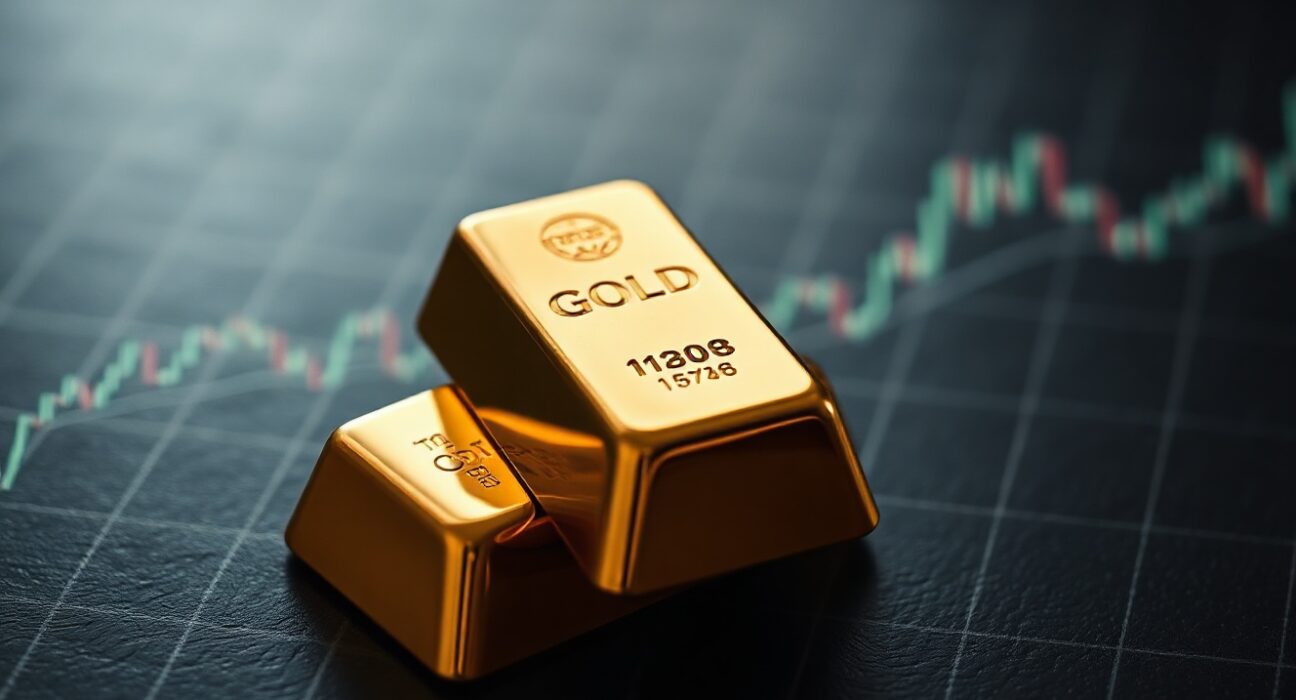
Gold prices are pressing higher, with XAU/USD approaching the $4,100 mark, as renewed expectations of Federal Reserve tightening fuel market repositioning. The precious metal’s resilience comes amid shifting interest rate projections and broader macroeconomic uncertainty, drawing attention from both institutional and retail investors.
Why Gold Is Moving Higher Despite Rate Hike Bets
Traditionally, higher interest rates weigh on gold, a non-yielding asset. However, the current rally reflects a more complex calculus. Markets are pricing in additional rate increases from the Fed to combat persistent inflation, but concerns over economic growth and geopolitical risks are simultaneously boosting safe-haven demand. This tension has created a supportive environment for gold, as investors weigh the cost of holding the metal against the risk of holding currencies or bonds in a tightening cycle. The $4,100 level represents a key psychological and technical threshold, and a break above it could signal further upside momentum.
Market Context and Analyst Views
The latest move in gold follows stronger-than-expected U.S. economic data, which has reinforced the case for the Fed to maintain its hawkish stance. Analysts are divided on whether gold can sustain these levels. Some argue that if the Fed signals a pause or a slower pace of hikes later this year, gold could rally further. Others caution that a prolonged tightening cycle could eventually cap gains, as real yields rise and the dollar strengthens. The current price action suggests the market is still absorbing mixed signals from Fed officials and economic reports.
What This Means for Investors
For investors, the $4,100 level is more than a number. It represents a decision point. A sustained move above this level could attract momentum buyers and push gold toward previous all-time highs. On the other hand, a rejection here could lead to a period of consolidation or a pullback toward support levels near $3,900. The key driver remains the Fed’s communication and upcoming inflation data, which will shape rate expectations in the weeks ahead.
Conclusion
Gold’s approach toward $4,100 underscores the delicate balance between tightening monetary policy and persistent demand for safe-haven assets. The outcome depends largely on the Fed’s next moves and how markets interpret economic data. For now, XAU/USD remains in focus as a barometer of broader market sentiment and inflation expectations.
FAQs
Q1: Why does gold sometimes rise when interest rates go up?
Gold can rise during rate hikes if investors believe the tightening will slow economic growth or if inflation remains high, making gold an attractive store of value despite higher opportunity costs.
Q2: What is the significance of the $4,100 level for gold?
The $4,100 level is a key psychological and technical resistance point. A break above it could signal strong bullish momentum, while a failure to hold may lead to a retracement or consolidation.
Q3: How does Federal Reserve policy affect gold prices?
Fed policy influences gold through interest rates and the dollar. Higher rates typically pressure gold, but if the market anticipates a slowdown or inflation persists, gold can still rally as a hedge.
Disclaimer: The information provided is not trading advice, Bitcoinworld.co.in holds no liability for any investments made based on the information provided on this page. We strongly recommend independent research and/or consultation with a qualified professional before making any investment decisions.
