

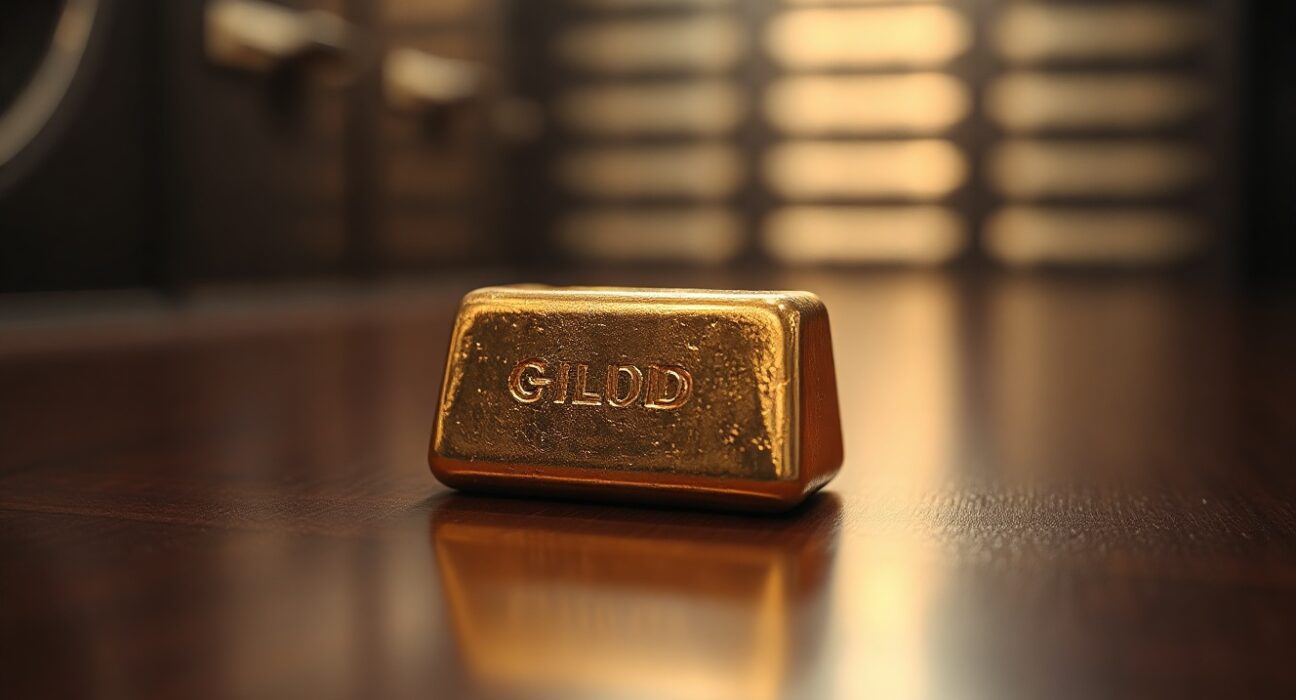
Gold prices staged a modest recovery on Tuesday, bouncing back from a one-week low as some dip-buying emerged. However, the yellow metal’s upside potential remains constrained by a hawkish stance from the Federal Reserve and the persistent strength of the US dollar, which continue to weigh on non-yielding assets.
Hawkish Fed Signals Dampen Gold’s Appeal
The Federal Reserve’s recent comments have reinforced expectations that interest rates will remain higher for longer than previously anticipated. A higher interest rate environment increases the opportunity cost of holding gold, which offers no yield, making it less attractive to investors. Recent economic data, including stronger-than-expected job figures and persistent inflation readings, have provided the Fed with little incentive to ease its monetary policy stance.
US Dollar Strength Adds Headwinds
Compounding the pressure on gold is the robust performance of the US dollar. The dollar index has been trading near multi-month highs, buoyed by the Fed’s hawkish outlook and a relatively resilient US economy compared to other major economies. A stronger dollar typically makes commodities priced in the currency, such as gold, more expensive for buyers using other currencies, thereby dampening demand.
Market Implications and Trader Sentiment
For traders, the current environment presents a conflicting picture. While the short-term technical rebound from the one-week low offers a potential entry point for nimble traders, the fundamental backdrop remains bearish. Market participants are now closely watching for any shifts in Fed rhetoric or economic data that could alter the trajectory of interest rates. Without a clear catalyst to reverse the prevailing dollar strength and hawkish Fed narrative, any rally in gold is likely to be sold into.
Conclusion
Gold’s recovery from its recent low appears fragile, with the twin forces of a hawkish Federal Reserve and a strong US dollar limiting its upside. While short-term bounces are possible, the precious metal faces significant headwinds that are likely to cap its gains in the near term. Investors should remain cautious and monitor upcoming economic releases and Fed commentary for clearer directional cues.
FAQs
Q1: Why does a hawkish Fed hurt gold prices?
A hawkish Fed signals a commitment to higher interest rates to combat inflation. Higher rates increase the opportunity cost of holding gold, which doesn’t pay interest or dividends, making it less competitive against yield-bearing assets like bonds.
Q2: How does a strong US dollar affect gold?
Gold is priced in US dollars. When the dollar strengthens, it takes fewer dollars to buy the same amount of gold, which typically pushes gold prices down. A strong dollar also makes gold more expensive for international buyers, reducing global demand.
Q3: Could gold still rally despite these headwinds?
Yes, gold could rally if there is a sudden geopolitical crisis, a sharp economic downturn that forces the Fed to reverse course, or if the dollar weakens unexpectedly. However, the current fundamental outlook suggests such rallies may be short-lived.
Disclaimer: The information provided is not trading advice, Bitcoinworld.co.in holds no liability for any investments made based on the information provided on this page. We strongly recommend independent research and/or consultation with a qualified professional before making any investment decisions.
