

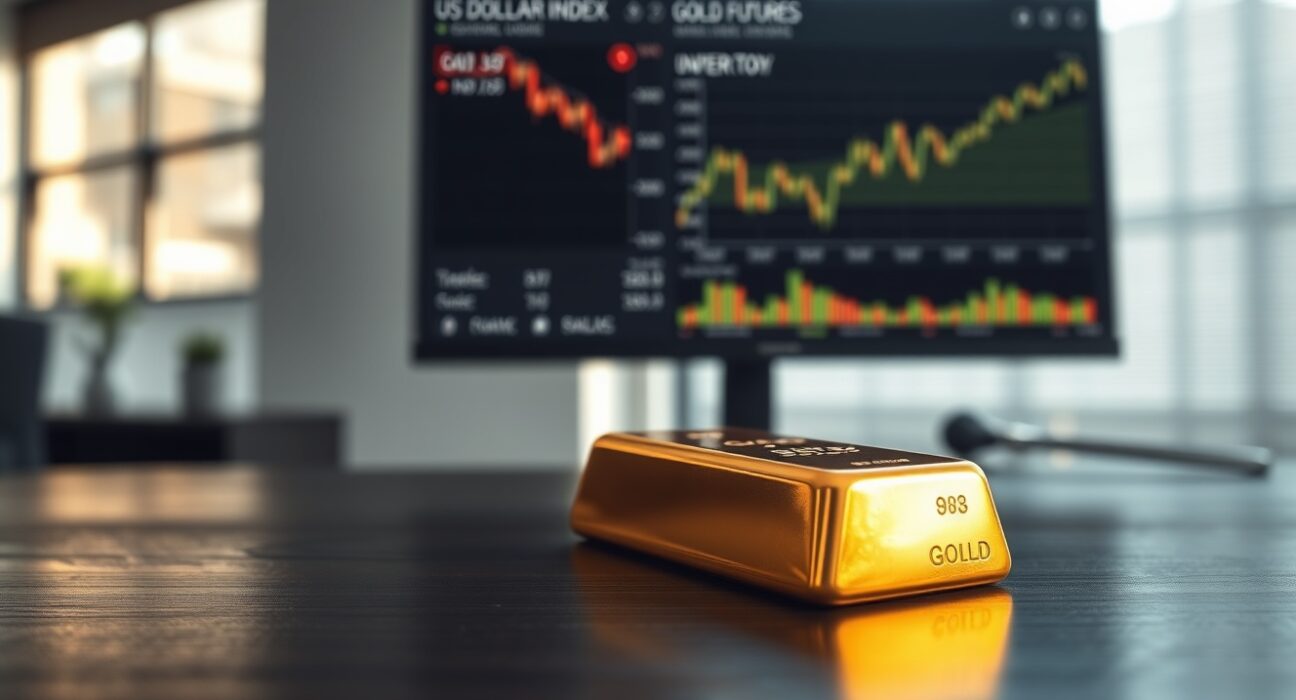
Gold prices have staged a notable rebound in recent trading sessions, driven by a weakening US Dollar and falling Oil prices. The shift in market sentiment comes as renewed diplomatic efforts between the United States and Iran fuel hopes for a potential nuclear deal, reshaping the outlook for key commodities and currencies.
Diplomatic Hopes Weigh on the Dollar
The US Dollar Index (DXY) has retreated from recent highs, losing ground as traders price in a possible easing of geopolitical tensions in the Middle East. Reports of indirect talks and a more conciliatory tone from both Washington and Tehran have reduced demand for the greenback as a safe-haven asset. A weaker Dollar makes gold, which is priced in the US currency, more attractive to international buyers, providing a direct boost to bullion prices.
Oil Prices Decline, Supporting Gold’s Appeal
Crude Oil prices have also felt the pressure from the prospect of a US-Iran deal. A successful agreement could lead to the lifting of sanctions on Iranian oil exports, potentially adding significant supply to a global market already grappling with demand concerns. Brent crude has slipped below key support levels, and West Texas Intermediate (WTI) has followed suit. The decline in energy costs has broader implications, potentially easing inflationary pressures and reducing the need for aggressive monetary tightening by central banks. This environment is generally supportive for non-yielding assets like gold.
Market Implications for Investors
For investors, the correlation between these three assets—Gold, the US Dollar, and Oil—offers a clear signal of shifting risk appetite. The traditional inverse relationship between the Dollar and gold has reasserted itself. Meanwhile, the drop in Oil prices is being interpreted as a net positive for global growth, which in turn reduces the urgency for safe-haven positioning in the Dollar. However, analysts caution that the situation remains fluid. Negotiations are notoriously fragile, and any breakdown in talks could quickly reverse the current trends.
Conclusion
The rebound in gold reflects a broader recalibration of market expectations around US foreign policy and its ripple effects on currency and commodity markets. While the outlook remains dependent on the progress of diplomatic channels, the current price action suggests that gold is once again benefiting from its role as a hedge against Dollar weakness and shifting geopolitical landscapes. Traders will be closely watching for any concrete developments from the negotiating table.
FAQs
Q1: Why does a weaker US Dollar boost gold prices?
Gold is priced in US Dollars. When the Dollar weakens against other currencies, it takes fewer of those currencies to buy the same amount of gold. This makes gold cheaper and more attractive for international buyers, increasing demand and pushing prices higher.
Q2: How would a US-Iran nuclear deal affect Oil prices?
A nuclear deal could lead to the lifting of economic sanctions on Iran, allowing the country to resume full-scale oil exports. This would increase global oil supply, which typically puts downward pressure on crude prices.
Q3: Is the current gold rally sustainable?
The sustainability of the rally depends heavily on the progress of US-Iran negotiations and broader macroeconomic data. If a deal materializes and the Dollar continues to weaken, gold could see further gains. However, a breakdown in talks or a surprise hawkish shift from the Federal Reserve could quickly reverse the trend.
Disclaimer: The information provided is not trading advice, Bitcoinworld.co.in holds no liability for any investments made based on the information provided on this page. We strongly recommend independent research and/or consultation with a qualified professional before making any investment decisions.
