

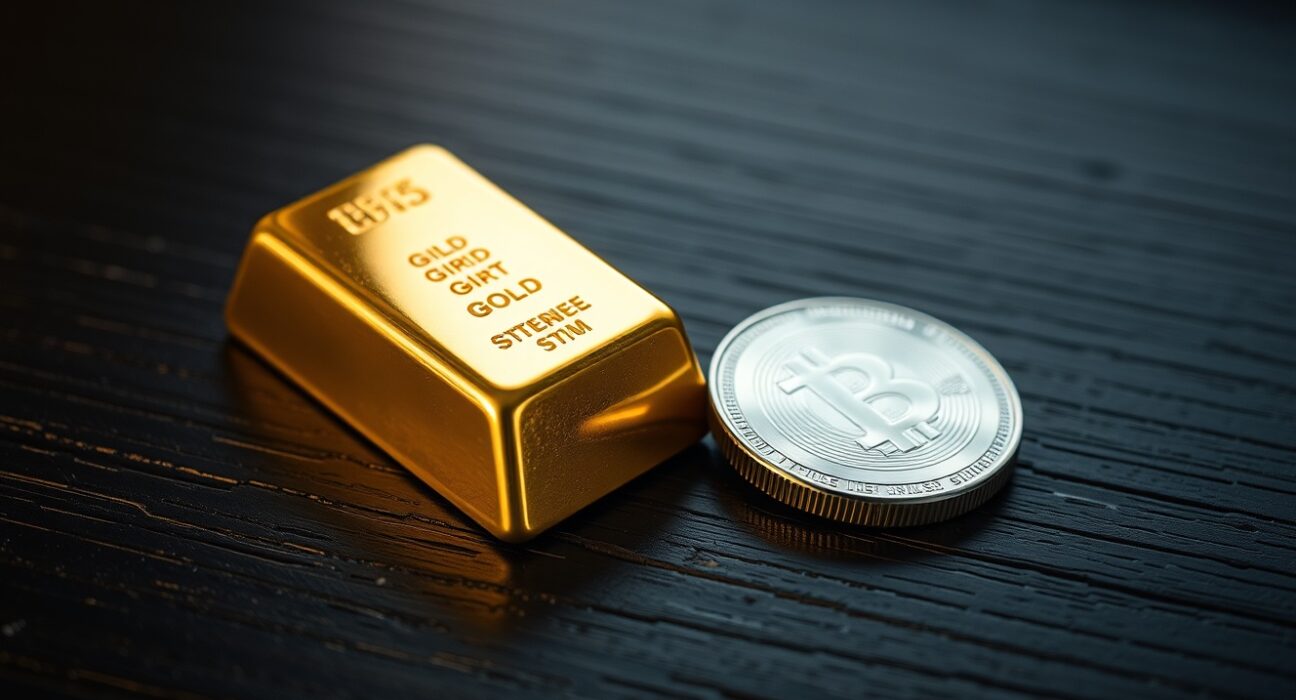
The gold-silver ratio, a measure of how many ounces of silver it takes to buy one ounce of gold, has been a staple of precious metals analysis for centuries. As of early 2026, the ratio hovers near historically elevated levels, prompting investors and analysts to question whether this classic indicator still holds practical value in today’s complex financial landscape.
Understanding the Gold-Silver Ratio
The gold-silver ratio is calculated by dividing the current price of gold per ounce by the current price of silver per ounce. For example, if gold is trading at $2,000 per ounce and silver at $25 per ounce, the ratio is 80:1. Historically, the ratio has fluctuated widely, from as low as 15:1 in ancient times to over 100:1 during periods of economic crisis. The ratio is often used as a sentiment indicator: a high ratio may suggest silver is undervalued relative to gold, while a low ratio may indicate the opposite.
Historical Context and Modern Shifts
For much of the 20th century, the gold-silver ratio was relatively stable, influenced by bimetallic monetary standards and industrial demand. However, the decoupling of currencies from gold in 1971 and the rise of silver as a critical industrial metal—used in solar panels, electronics, and medical devices—have altered its dynamics. In recent years, the ratio has been more volatile, often spiking during financial turmoil as investors flock to gold for safety, while silver’s dual role as both a monetary and industrial asset can amplify its price swings.
Why the Ratio Matters Today
For traders, the ratio can signal potential entry or exit points. A historically high ratio, like the levels seen in 2020 during the COVID-19 pandemic, has often preceded a period of silver outperformance. For long-term investors, the ratio offers a framework for portfolio allocation between the two metals. However, critics argue that the ratio’s predictive power has diminished in an era of algorithmic trading, ETF flows, and shifting industrial demand for silver. The ratio’s relevance may also be limited by the fact that gold and silver are fundamentally different assets—gold is primarily a store of value, while silver has significant industrial consumption.
Expert Perspectives and Market Implications
Some analysts maintain that the gold-silver ratio remains a useful tool when combined with other indicators. “The ratio is not a standalone signal, but it provides valuable context about relative valuations,” says a senior commodities strategist. Others caution that relying on historical averages can be misleading, as the structural factors driving supply and demand for each metal have changed. The ratio’s current level, near 90:1 as of early 2026, suggests that silver may be historically cheap compared to gold, but investors must weigh this against silver’s industrial demand outlook, interest rates, and broader macroeconomic trends.
Conclusion
The gold-silver ratio remains a relevant, albeit imperfect, tool for precious metals investors. While it should not be used in isolation, it offers a historical lens through which to assess relative value and market sentiment. As with any indicator, its usefulness depends on the investor’s time horizon and willingness to consider broader market conditions. For those tracking precious metals, the ratio continues to be a metric worth watching—but not one to blindly follow.
FAQs
Q1: What is the gold-silver ratio telling us in 2026?
A ratio near 90:1 suggests that silver is historically cheap relative to gold. However, this may reflect structural factors like silver’s industrial demand rather than a clear buying opportunity.
Q2: Is the gold-silver ratio a reliable trading signal?
It can be a useful reference point, but it is not consistently reliable on its own. Traders often combine it with technical analysis, market sentiment, and macroeconomic data.
Q3: How has the gold-silver ratio changed over time?
The ratio has ranged from about 15:1 in ancient times to over 100:1 during financial crises. Modern averages have generally been higher, partly due to silver’s growing industrial use and gold’s role as a safe haven.
Disclaimer: The information provided is not trading advice, Bitcoinworld.co.in holds no liability for any investments made based on the information provided on this page. We strongly recommend independent research and/or consultation with a qualified professional before making any investment decisions.
