

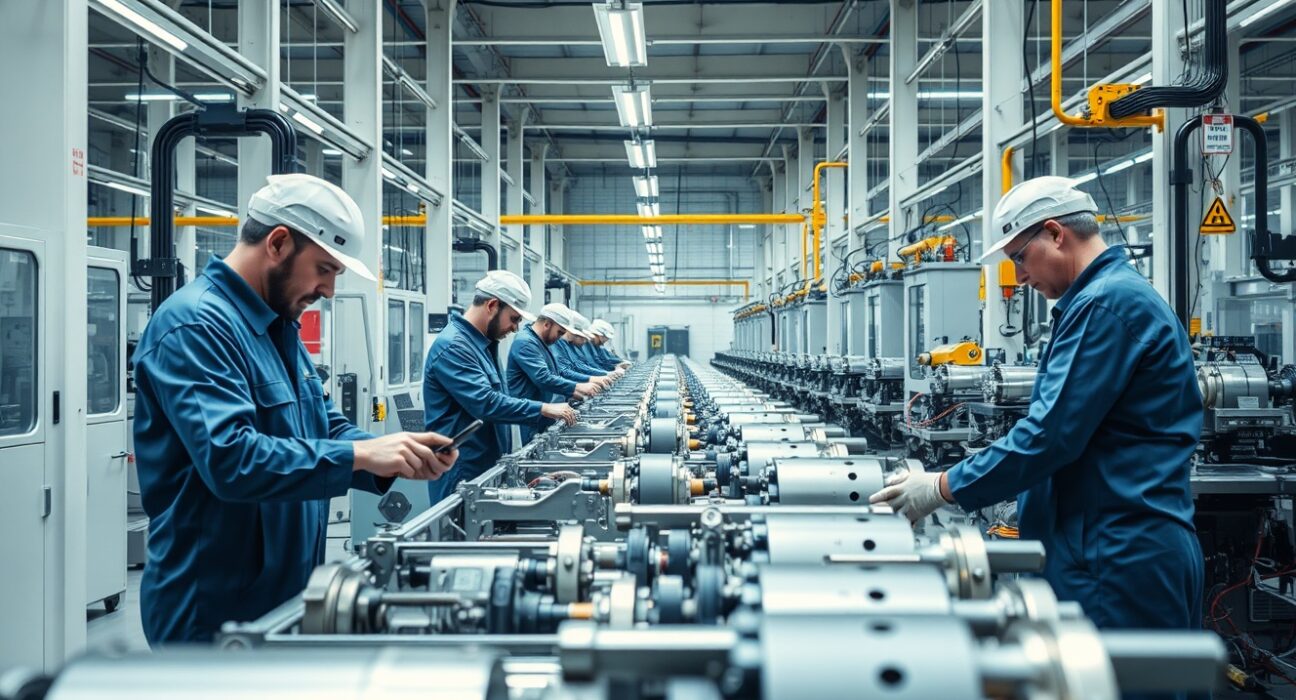
Greece’s manufacturing sector continued its expansion in June, with the S&P Global Manufacturing Purchasing Managers’ Index (PMI) rising to 53.8 from 53.3 in May. The latest reading marks the second consecutive month of improvement and signals a sustained recovery in the country’s industrial activity.
Key Drivers Behind the PMI Increase
The PMI, a key indicator of economic health in the manufacturing sector, has remained above the 50.0 neutral threshold for several months, indicating expansion. The June figure of 53.8 suggests a solid pace of growth, driven by increased new orders, higher production levels, and a steady improvement in employment conditions. According to survey data, manufacturers reported stronger demand from both domestic and international markets, contributing to the positive momentum.
Implications for the Greek Economy
The sustained expansion in manufacturing is a positive signal for Greece’s broader economic recovery, which has been gaining traction following years of fiscal adjustment. The sector’s resilience is particularly noteworthy given global headwinds, including persistent inflation and supply chain disruptions in other parts of Europe. Analysts suggest that Greece’s competitive labor costs and improving business environment are attracting investment and supporting export growth.
Sector Performance and Business Confidence
Sub-indices within the PMI report showed broad-based strength. Output and new orders both rose at faster rates, while employment increased modestly. Business confidence also improved, with firms expressing optimism about future production levels. Input cost inflation remained elevated but showed signs of easing, which could support profit margins in the coming months.
Conclusion
The June PMI reading reinforces the view that Greece’s manufacturing sector is on a stable growth trajectory. While challenges remain, including global economic uncertainty and input price pressures, the current data points to a resilient industrial base. Policymakers and investors will watch upcoming releases for confirmation that this trend can be sustained through the second half of the year.
FAQs
Q1: What does a PMI above 50 mean?
A PMI reading above 50 indicates expansion in the manufacturing sector, while a reading below 50 signals contraction. The June figure of 53.8 suggests solid growth.
Q2: Why is the manufacturing PMI important for Greece?
Manufacturing is a key component of Greece’s economy, contributing to employment, exports, and overall GDP. A rising PMI signals improving business conditions and economic momentum.
Q3: How does the June PMI compare to historical data?
The June reading of 53.8 is above the long-term average for Greece and represents a continuation of the post-pandemic recovery. It is consistent with a moderate but steady expansion phase.
Disclaimer: The information provided is not trading advice, Bitcoinworld.co.in holds no liability for any investments made based on the information provided on this page. We strongly recommend independent research and/or consultation with a qualified professional before making any investment decisions.
