

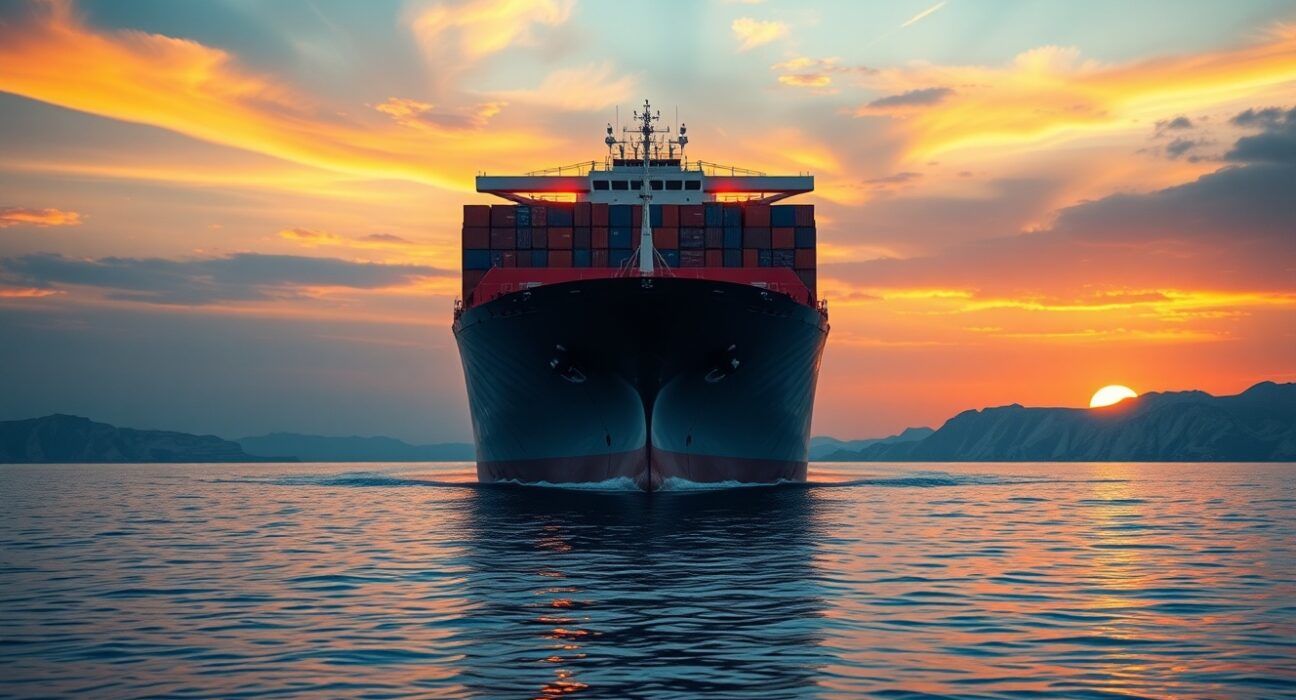
International shipping faces a pivotal moment as major seafarers’ unions and industry representatives formally designate the Middle East Gulf region, including the critical Strait of Hormuz, a ‘Warlike Operations Area.’ This significant declaration, confirmed in late March 2025, grants maritime crews a fundamental right to refuse sailing into these perilous waters. Consequently, this decision immediately disrupts global supply chains and elevates security concerns for one of the world’s most vital trade corridors.
Understanding the Warlike Operations Area Declaration
The ‘Warlike Operations Area’ designation represents a severe escalation in maritime risk assessment. Historically, this classification applies only to zones where armed conflict poses a direct and imminent threat to civilian vessels. Furthermore, the decision stems from a joint committee comprising the International Transport Workers’ Federation (ITF) and the Joint Negotiating Group (JNG), which represents global shipowners. This unified stance underscores the gravity of the perceived threat. The declaration specifically covers the Persian Gulf, the Gulf of Oman, and the Strait of Hormuz. This narrow chokepoint alone facilitates the transit of approximately 21 million barrels of oil daily, representing nearly a quarter of global seaborne oil trade.
Under the terms of the International Bargaining Forum (IBF) framework, this designation triggers specific contractual clauses for seafarers. Most importantly, crew members now possess a legally enforceable right to disembark and repatriate at the nearest safe port if they decline to enter the zone. Additionally, those who choose to sail into the designated area become entitled to substantial danger pay bonuses and enhanced insurance coverage. This framework aims to protect the welfare and safety of the nearly 1.9 million seafarers who crew the world’s merchant fleet.
Geopolitical Context and Rising Maritime Threats
This declaration does not occur in a vacuum. It follows a marked increase in hostile incidents targeting commercial shipping throughout 2024 and early 2025. Regional tensions have escalated significantly, involving drone attacks, mine discoveries, and hijacking attempts on vessels. For instance, the United Kingdom Maritime Trade Operations (UKMTO) agency has documented over 15 serious incidents in the first quarter of 2025 alone. These events have created an environment of sustained risk for unarmed merchant ships and their crews.
Expert Analysis on the Decision’s Impact
Maritime security analysts highlight the declaration’s profound implications. “This is a defensive measure born from necessity,” explains Dr. Lena Schmidt, a senior fellow at the Oceanic Security Institute. “Unions have a duty of care. When national naval forces issue warnings and insurers raise war risk premiums, the industry must respond formally. This designation legally empowers the individual seafarer, placing the ultimate safety decision in their hands.” The move also pressures flag states and coastal nations to enhance protective measures. Moreover, it signals to global commodities markets that transit through the Gulf now carries unprecedented operational and financial risk.
The economic ramifications are immediate and severe. War risk insurance premiums for vessels entering the zone have skyrocketed, sometimes doubling or tripling overnight. Shipping companies now face a stark choice: absorb these massive costs, reroute vessels around the Cape of Good Hope—adding 10-14 days and significant fuel expenses to Asia-Europe voyages—or risk crew shortages. The following table outlines the key comparative impacts:
| Factor | Pre-Declaration | Post-Declaration |
|---|---|---|
| Crew Right of Refusal | Limited / Case-by-case | Formal and Contractual |
| Typical War Risk Premium | 0.05% – 0.1% of hull value | 0.2% – 0.5%+ of hull value |
| Alternative Route (Suez to Cape) | Not commercially viable | Now under active consideration |
| Industry Stance | Advisory Warnings | Unified ‘Warlike’ Designation |
Historical Precedents and Legal Framework
The ‘Warlike Operations Area’ label has rare historical precedent. Authorities last applied it broadly during the Iran-Iraq ‘Tanker War’ of the 1980s and in specific zones off Somalia during the peak of piracy. The legal foundation derives from international maritime labor conventions and collective bargaining agreements. These agreements prioritize the principle of a seafarer’s right to a safe workplace. The declaration itself results from a formal review of threat intelligence from multiple sources, including:
- Naval intelligence reports from coalition task forces in the region.
- Direct incident data from reporting centers like UKMTO.
- Security advisories from flag state administrations.
- On-the-ground assessments from union inspectors and port officials.
This multi-source evidence base provides the justification required for such a severe classification. The process demonstrates the industry’s commitment to evidence-based decision-making, a core tenet of maritime risk management.
Immediate Consequences for Global Trade and Logistics
The global logistics network now contends with severe disruption. Charter rates for tankers and container ships servicing the Gulf have increased sharply due to the compounded risk and potential for crew shortages. Furthermore, energy markets reacted swiftly to the news, with Brent crude oil futures experiencing notable volatility. Import-dependent nations in Asia and Europe are urgently assessing their strategic oil reserve levels and supply chain resilience. Port authorities in Fujairah, Dubai, and Dammam are implementing enhanced security protocols to reassure shipping lines. However, the fundamental risk lies in the transit lanes between ports, not within the ports themselves.
Shipping companies are activating contingency plans developed for such a scenario. These plans often involve:
- Implementing enhanced voyage planning with strict no-night-transit rules.
- Increasing armed security team deployments where flag state laws permit.
- Establishing direct communication links with naval forces.
- Conducting intensive pre-voyage briefings for all crew members.
Conclusion
The declaration of the Gulf region as a Warlike Operations Area marks a critical juncture for international maritime safety and global trade. This decision, driven by seafarers’ unions and the shipping industry, reflects the intolerable level of risk now present in these strategic waters. It empowers crews, disrupts logistics, and increases costs across the global economy. The long-term resolution depends on a de-escalation of regional tensions and the restoration of safe passage guarantees. Until then, the world must navigate the consequences of a vital trade artery operating under a formal state of heightened peril.
FAQs
Q1: What exactly does a ‘Warlike Operations Area’ designation mean?
A ‘Warlike Operations Area’ is a formal classification under international maritime agreements. It signifies that an area poses a severe and imminent threat from armed conflict or warlike acts to civilian shipping. This triggers special contractual clauses for seafarers, including the right to refuse entry and eligibility for double pay and enhanced benefits.
Q2: Which specific unions and groups made this declaration?
The declaration was made by the International Transport Workers’ Federation (ITF), representing seafarers’ unions globally, and the Joint Negotiating Group (JNG), which represents international shipowners’ associations. The decision was finalized through the International Bargaining Forum (IBF) framework.
Q3: Can a shipowner force a crew to sail into the Gulf now?
No. Following this declaration, seafarers on vessels covered by IBF agreements have a contractual right to refuse to sail into the designated zone. If they refuse, the company must repatriate them at the nearest safe port at its own expense and cannot penalize them.
Q4: How will this affect consumer goods and energy prices?
The impact will likely be upward pressure on costs. Increased insurance premiums, potential rerouting (adding time and fuel), and risk surcharges will raise shipping costs. These costs may eventually filter through to prices for oil, liquefied natural gas (LNG), and containerized goods moving through the region.
Q5: Has this happened before in recent history?
Yes, but rarely. Similar designations were applied during the Iran-Iraq Tanker War (1980-1988) and in specific high-risk piracy zones off the coast of Somalia and in the Gulf of Guinea during periods of extreme threat. The Gulf-wide designation is the most significant such action in over three decades.
Disclaimer: The information provided is not trading advice, Bitcoinworld.co.in holds no liability for any investments made based on the information provided on this page. We strongly recommend independent research and/or consultation with a qualified professional before making any investment decisions.
