

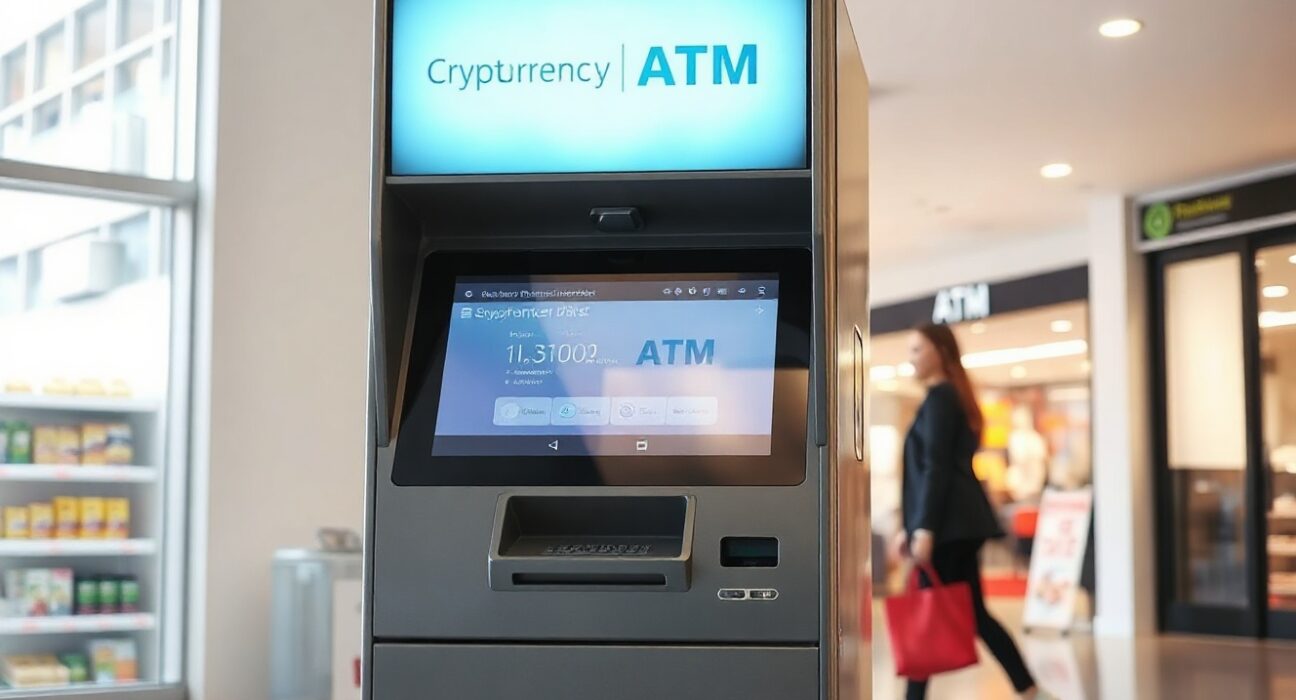
Hawaii has become the first U.S. state to enact a comprehensive ban on cryptocurrency kiosks and ATMs, following Governor Josh Green’s signing of a bill that prohibits the ownership, operation, and management of digital financial asset trading kiosks that accept U.S. dollars and dispense cryptocurrency. The legislation, which takes effect immediately, targets a growing source of consumer fraud that has drawn national attention.
Why the Ban Was Introduced
The move comes amid a sharp rise in crypto-related scams, which have exploited the anonymity and irreversibility of digital asset transactions. According to the FBI’s 2024 Internet Crime Report, losses from cryptocurrency fraud exceeded $11 billion nationwide last year, with a significant portion involving physical kiosks that allow cash-to-crypto conversions. These machines have become a favored tool for scammers who direct victims to deposit cash, often under false pretenses, with little recourse for recovery.
Hawaii’s action is a direct response to these trends. State lawmakers cited consumer protection concerns and the difficulty of tracing fraudulent transactions through kiosks. The ban is intended to eliminate a high-risk channel that has disproportionately affected elderly and less tech-savvy residents, who are often targeted by impersonation schemes and investment fraud.
Implications for the Crypto Industry
The statewide prohibition marks a significant regulatory escalation in the United States, where crypto kiosks have operated in a largely unregulated gray area. Unlike traditional ATMs, these machines are not subject to the same federal oversight, and their operators vary widely in compliance with anti-money laundering (AML) and know-your-customer (KYC) requirements.
Industry observers note that Hawaii’s ban could set a precedent for other states considering similar measures. While some jurisdictions have imposed licensing requirements or operational restrictions, Hawaii’s outright ban is the most aggressive stance to date. The move may also pressure federal regulators, such as the Financial Crimes Enforcement Network (FinCEN), to revisit national rules governing crypto kiosks.
What This Means for Consumers
For Hawaii residents, the ban removes a convenient but risky method of buying cryptocurrency with cash. Those who rely on kiosks for privacy or lack access to traditional banking may need to explore alternative avenues, such as online exchanges or peer-to-peer platforms, which come with their own set of risks and regulatory considerations.
Consumer advocates have welcomed the ban, arguing that the risks of kiosks outweigh their benefits. The FBI and other agencies have repeatedly warned that scammers often instruct victims to use these machines because they are difficult to trace and offer little protection against fraud. By eliminating them, Hawaii aims to reduce the incidence of these crimes and provide a model for other states to follow.
Conclusion
Hawaii’s statewide ban on crypto kiosks and ATMs is a landmark consumer protection measure that addresses a documented and growing threat. While it may inconvenience some legitimate users, the decision reflects a broader regulatory shift toward safeguarding residents from financial fraud. As other states watch closely, this action could signal the beginning of more stringent oversight of the cryptocurrency industry across the U.S.
FAQs
Q1: What exactly does Hawaii’s ban prohibit?
The ban prohibits the ownership, operation, and management of digital financial asset trading kiosks that accept U.S. dollars and provide cryptocurrency. This includes crypto ATMs and similar machines.
Q2: When does the ban take effect?
The ban takes effect immediately upon the governor’s signing, meaning all such kiosks must cease operations in Hawaii without delay.
Q3: Why are crypto kiosks considered risky?
Crypto kiosks are risky because they allow anonymous cash transactions that are nearly impossible to reverse, making them a preferred tool for scammers who defraud victims, particularly the elderly. The FBI reported over $11 billion in crypto fraud losses nationwide last year.
Disclaimer: The information provided is not trading advice, Bitcoinworld.co.in holds no liability for any investments made based on the information provided on this page. We strongly recommend independent research and/or consultation with a qualified professional before making any investment decisions.
