

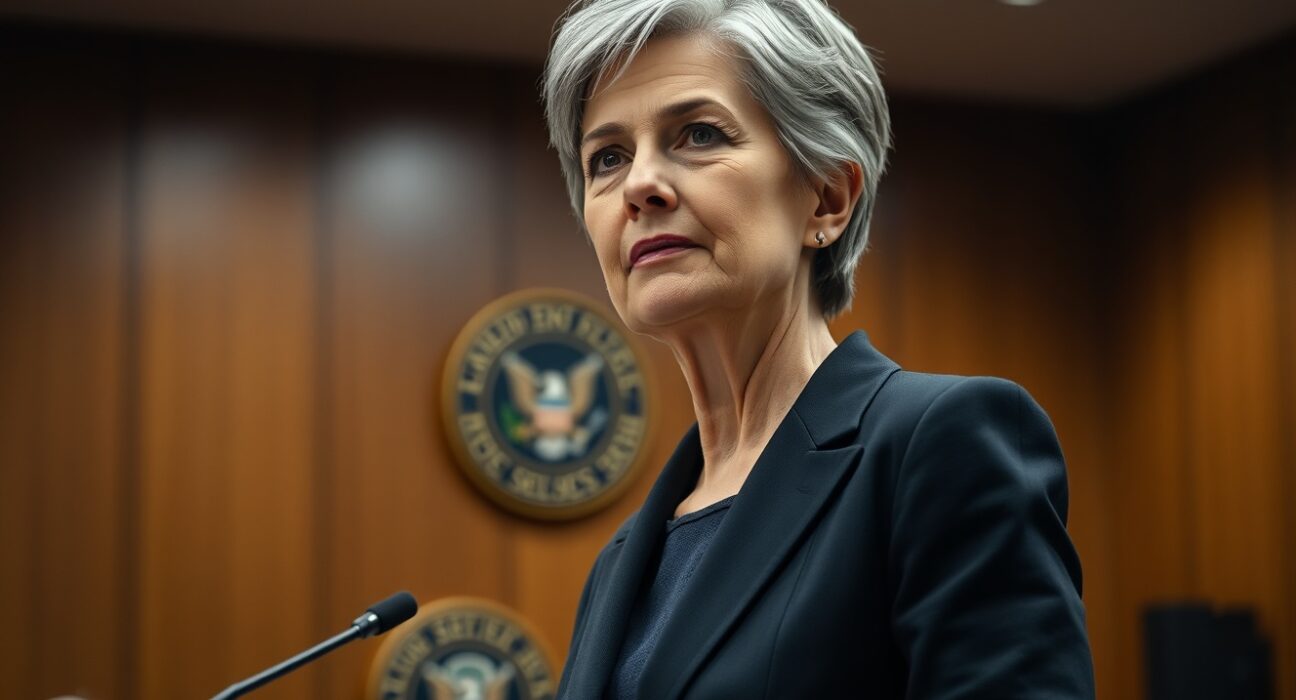
Hester Peirce, a U.S. Securities and Exchange Commission (SEC) commissioner widely known in the cryptocurrency industry as ‘Crypto Mom’ for her supportive stance on digital assets, plans to resign from her post in November, according to a report from BeInCrypto. Peirce has accepted a position as an associate professor at Regent University School of Law, marking a return to academia after nearly seven years at the regulatory agency.
A Vocal Advocate in a Turbulent Era
Peirce joined the SEC in January 2018 and quickly became one of the most recognizable figures in cryptocurrency regulation. Throughout her tenure, she frequently criticized the enforcement-heavy approach taken by former SEC Chairman Gary Gensler, who pursued aggressive actions against crypto firms, alleging widespread securities law violations. Peirce argued that such tactics stifled innovation and pushed blockchain development overseas.
Her departure comes at a pivotal moment for the SEC, which is currently operating with only three commissioners following the recent resignation of a Democratic member. The commission typically has five seats, and the reduced number could slow decision-making on pending rules and enforcement matters.
What Peirce’s Exit Means for Crypto Regulation
The future direction of the SEC’s cryptocurrency policies may hinge on how the White House fills Peirce’s seat. With the agency already divided along partisan lines, her replacement could shift the balance of power. Industry observers note that a new commissioner appointed by the current administration might continue or soften the agency’s stance on digital assets.
Peirce has been a consistent voice for clearer, more permissive rules for cryptocurrencies, often dissenting from enforcement actions against companies like Ripple Labs and Coinbase. She also championed the concept of a ‘safe harbor’ for token projects, which would give startups time to decentralize before facing full securities registration requirements.
Impact on Market and Legal Landscape
Her resignation adds uncertainty to an already complex regulatory environment. Major crypto firms are still awaiting clarity on whether tokens like Ethereum and Solana are securities, and several high-profile lawsuits remain unresolved. Peirce’s absence could embolden stricter enforcement or, conversely, open the door for a more industry-friendly appointee, depending on political dynamics.
For investors and companies, the change signals that the SEC’s internal debates over crypto policy are far from settled. The agency’s next moves will be closely watched as Congress also considers legislation to define digital asset oversight.
Conclusion
Hester Peirce’s departure from the SEC in November marks the end of an influential chapter in cryptocurrency regulation. Her transition to academia at Regent University allows her to continue shaping legal thought on digital assets, while the SEC faces a period of transition. The agency’s ability to maintain regulatory coherence amid reduced commissioner count and shifting political priorities will be critical for the crypto industry’s future in the United States.
FAQs
Q1: Why is Hester Peirce called ‘Crypto Mom’?
She earned the nickname for her consistently pro-innovation stance on cryptocurrency regulation, often advocating for lighter-touch oversight and dissenting from aggressive SEC enforcement actions against crypto firms.
Q2: When will Peirce officially leave the SEC?
She is expected to resign in November, though the exact date has not been announced. Her new role as a law professor at Regent University begins after her departure.
Q3: How will her resignation affect the SEC’s crypto policies?
The impact depends on who replaces her. If the White House appoints a commissioner with similar views, the agency’s approach may remain unchanged. A more conservative or pro-enforcement appointee could shift the balance, potentially leading to stricter regulations.
Disclaimer: The information provided is not trading advice, Bitcoinworld.co.in holds no liability for any investments made based on the information provided on this page. We strongly recommend independent research and/or consultation with a qualified professional before making any investment decisions.
