

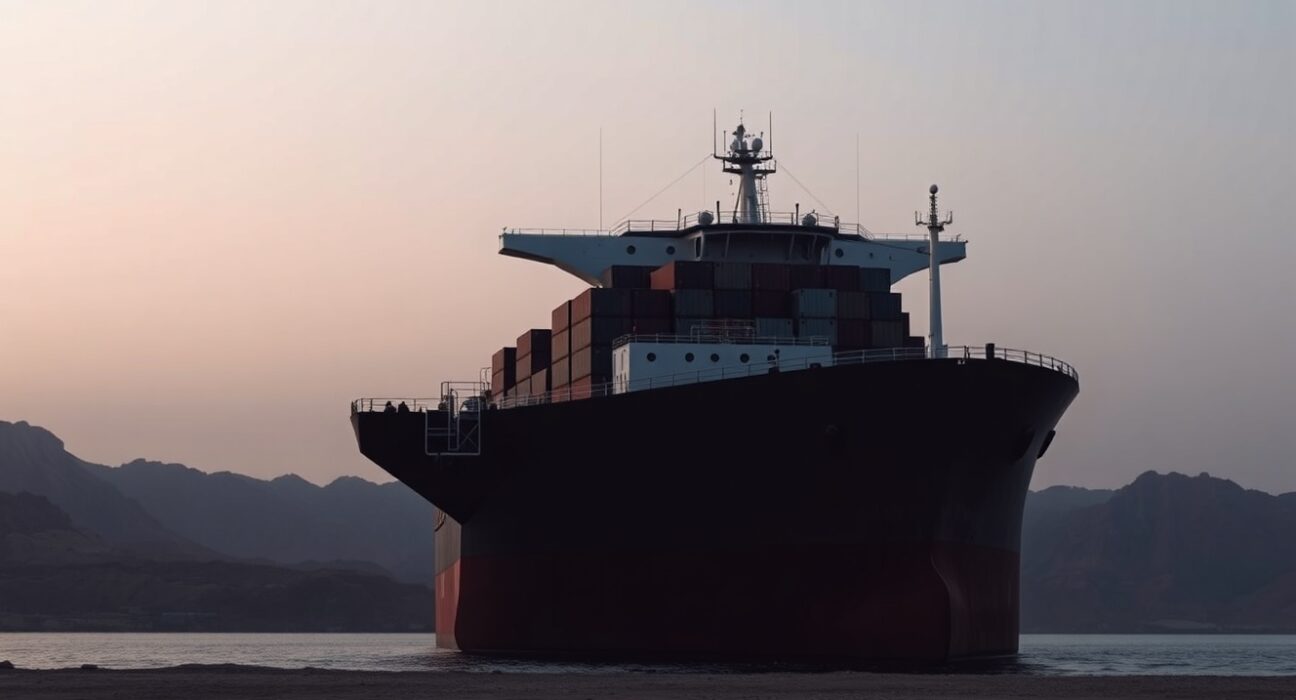
Maritime authorities issued a stark warning in early 2025 about a sophisticated cryptocurrency scam targeting commercial vessels stranded in the strategic Strait of Hormuz. According to reports from the Greek maritime risk management firm MARISKS, scammers are impersonating Iranian officials and demanding payments in Bitcoin and Tether for fraudulent “safe passage approval.” This scheme directly exploits Iran’s established policy of accepting digital currency for official maritime tolls, creating a dangerous and convincing facade for ship operators. Currently, hundreds of ships and approximately 20,000 sailors face this threat in one of the world’s most critical shipping lanes.
Anatomy of the Strait of Hormuz Crypto Scam
The fraudulent operation follows a specific and alarming pattern. Initially, scammers contact vessel masters or shipping company offices via satellite communication or email. They present themselves as representatives of Iranian maritime authorities. Subsequently, they issue official-looking invoices demanding payment for passage through Iranian territorial waters. Crucially, these invoices specify payment exclusively in Bitcoin (BTC) or Tether (USDT), mirroring Iran’s legitimate procedures. The urgency of the situation for stranded ships creates pressure to comply quickly, often bypassing standard verification protocols.
MARISKS, a respected firm in maritime risk assessment, confirmed the scheme’s spread after investigating multiple reports from its client network. The firm emphasizes that the scammers possess detailed knowledge of regional maritime protocols and cryptocurrency transaction processes. This knowledge makes their communications appear highly credible to stressed crews and logistics managers. Furthermore, the geopolitical tension in the region provides a perfect backdrop for such deception, as legitimate fees and procedures can change rapidly.
Exploiting Iran’s Official Cryptocurrency Policy
This scam’s effectiveness hinges entirely on its exploitation of a real-world policy. Iran formally began accepting cryptocurrency for oil and gas exports in recent years, extending this to certain port and transit fees. This move aimed to circumvent international financial sanctions. Consequently, the concept of paying a digital toll is not fictitious, which blurs the line for potential victims. The table below outlines the key differences between legitimate and fraudulent demands:
| Legitimate Iranian Toll | Fraudulent Scam Demand |
|---|---|
| Uses official government channels and verified contact points. | Initiated via unsolicited emails or unverified satellite calls. |
| Provides detailed, traceable payment instructions to official wallets. | Directs payments to anonymous, often newly created, cryptocurrency wallets. |
| Issues proper documentation and receipts through port authorities. | Fails to provide verifiable confirmation or official documentation after payment. |
| Follows a consistent fee structure based on ship tonnage and cargo. | Often presents inflated or irregular fee amounts with urgent deadlines. |
Security analysts note that the scam’s sophistication indicates possible insider knowledge of shipping logistics. The criminals likely monitor maritime traffic data to identify targets that are stationary or delayed in the strait. They then time their fraudulent demands to coincide with peak operational stress for the crew and company.
Expert Analysis from Maritime Security
Captain Dimitrios Vlachos, a veteran maritime security consultant, provided critical context. “The convergence of geopolitical strain, legitimate crypto adoption, and high-value maritime traffic creates a perfect storm for fraud,” Vlachos explained. He further detailed that stranded ships face immense financial pressure from daily operating costs, known as demurrage, which can exceed tens of thousands of dollars. This pressure makes them vulnerable to schemes promising swift resolution. Vlachos advises all shipping companies to implement a mandatory dual-verification protocol for any cryptocurrency payment demand in the region.
The Broader Impact on Global Shipping and Crypto Adoption
This incident represents a significant escalation in cyber-physical threats to global supply chains. The Strait of Hormuz is a vital chokepoint, with about 20% of the world’s oil shipments passing through it. Any disruption or fear of fraud has immediate ripple effects on global energy prices and shipping insurance premiums. Moreover, the scam threatens to undermine trust in legitimate cryptocurrency applications within international trade. Industry bodies like the International Chamber of Shipping (ICS) are now developing new guidelines specifically addressing crypto-related maritime fraud.
The human impact is equally severe. An estimated 20,000 sailors aboard the stranded vessels work under difficult conditions. The added psychological burden of targeted financial scams compounds their stress. Seafarer welfare organizations have begun distributing advisories in multiple languages, warning crews about the specific tactics used by the scammers. Key red flags include:
- Unsolicited Contact: Legitimate authorities rarely make first contact for fees via unsecured channels.
- Pressure to Pay Quickly: Scammers create artificial urgency to prevent victim verification.
- Anonymous Wallets: Demands for payment to non-official, anonymous cryptocurrency addresses.
- Vague Documentation: Inability to provide official government seals or verifiable reference numbers.
Conclusion
The emergence of the Strait of Hormuz crypto scam highlights a dangerous new frontier in maritime crime, where digital currency fraud directly impacts physical global trade. This scheme successfully exploits a legitimate geopolitical and financial reality, making detection difficult for even experienced shipping operators. The incident underscores the critical need for enhanced verification protocols, industry-wide information sharing, and specific training for maritime personnel on cryptocurrency threats. As digital assets become more integrated into global commerce, the shipping industry must adapt its security frameworks to address these hybrid risks, ensuring the safety of both assets and crew in vital waterways like the Strait of Hormuz.
FAQs
Q1: What is the Strait of Hormuz cryptocurrency scam?
Scammers are impersonating Iranian authorities and demanding Bitcoin or USDT payments from stranded ships for fake “safe passage” approvals, exploiting Iran’s real policy of accepting crypto for tolls.
Q2: How are the scammers contacting their targets?
They primarily use unsolicited satellite communications or emails that mimic official channels, often targeting vessels known to be delayed or stationary in the strait.
Q3: Has Iran actually authorized cryptocurrency payments for maritime tolls?
Yes, Iran has a formal policy of accepting cryptocurrency for certain official transactions, including some port and transit fees, which is why this scam appears credible.
Q4: What should a shipping company do if they receive such a demand?
They must initiate a mandatory dual-verification process. This involves contacting known, official Iranian port authorities through independent channels to confirm any invoice before even considering payment.
Q5: What is the broader significance of this scam for global trade?
It represents a serious hybrid threat that combines cyber fraud with physical supply chain disruption. It risks increasing insurance costs, delaying critical shipments, and eroding trust in legitimate uses of cryptocurrency for international commerce.
Disclaimer: The information provided is not trading advice, Bitcoinworld.co.in holds no liability for any investments made based on the information provided on this page. We strongly recommend independent research and/or consultation with a qualified professional before making any investment decisions.
