

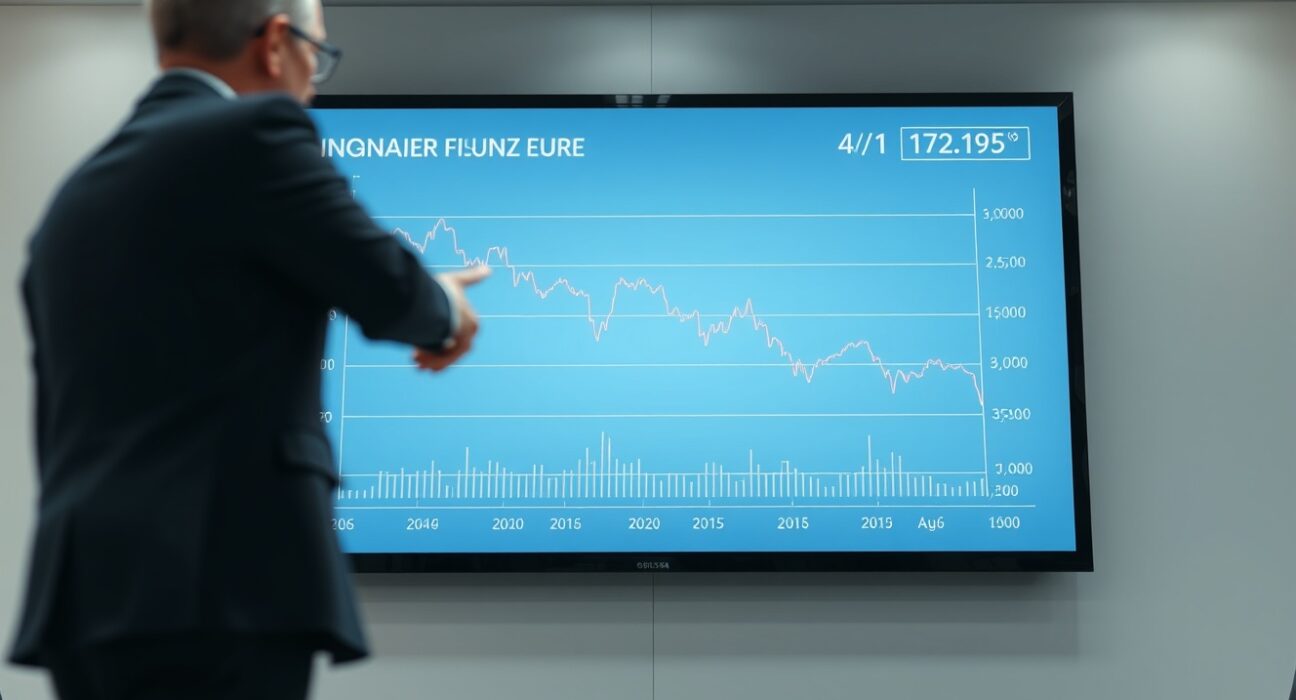
Analysts at ING Bank suggest that Hungary’s evolving inflation outlook, which they describe as increasingly dovish, is creating a favorable environment for the central bank to continue its monetary easing cycle. This assessment provides a fresh perspective on the forint’s near-term trajectory and the Magyar Nemzeti Bank’s (MNB) policy direction.
ING’s Dovish Inflation Assessment
ING’s analysis points to a moderation in inflationary pressures within the Hungarian economy. The bank’s economists note that the disinflationary trend, combined with a weaker economic backdrop, gives the MNB more room to lower interest rates without immediately risking a sharp depreciation of the forint. This view contrasts with some market expectations that the central bank might pause its cutting cycle due to lingering price pressures in certain sectors.
The assessment is based on recent data showing a decline in core inflation and a stabilization of consumer prices, particularly in energy and food components. ING argues that the overall inflation path is now ‘dovish,’ meaning it supports a looser monetary policy stance rather than a restrictive one.
Implications for the Hungarian Forint
For the Hungarian forint, this dovish outlook carries significant implications. While rate cuts typically put downward pressure on a currency by reducing its yield attractiveness, ING’s analysis suggests that the market has already priced in a significant portion of this easing. Therefore, further well-communicated cuts may not trigger a dramatic sell-off. Instead, the forint’s stability will depend on how the MNB balances its easing cycle with external factors, such as the European Central Bank’s (ECB) policy and global risk sentiment.
The forint has been trading in a relatively narrow range against the euro in recent weeks, reflecting a cautious market that is weighing domestic monetary policy against external headwinds. ING’s report reinforces the view that the MNB’s primary focus remains on supporting a sluggish economy, even if it means accepting a slightly weaker currency in the short term.
Market Context and Investor Takeaway
Investors and businesses with exposure to the forint should monitor the MNB’s forward guidance closely. The central bank’s next policy meeting will be a key event, as it will reveal whether the governing council shares ING’s dovish interpretation of the inflation data. If the MNB signals a readiness to cut rates further, the forint could face renewed, albeit gradual, depreciation pressure. However, if the bank strikes a more cautious tone, the currency might find some support.
For now, ING’s analysis provides a clear, data-driven rationale for expecting more rate cuts, which is a central factor for anyone trading or hedging Hungarian assets. The broader European economic environment and the forint’s status as an emerging market currency will also play a role in its performance.
Conclusion
ING’s latest report adds a credible, expert voice to the debate on Hungary’s monetary policy. The bank’s conclusion that a dovish inflation path supports further rate cuts is a well-reasoned position based on observable economic trends. While the forint’s future remains tied to both domestic decisions and global markets, this analysis provides a useful framework for understanding the central bank’s likely course of action in the coming months.
FAQs
Q1: What does ‘dovish inflation path’ mean in this context?
A: It means that the current and projected rate of inflation in Hungary is low enough and stable enough that it does not force the central bank to keep interest rates high. Instead, it gives the bank room to lower rates to stimulate the economy.
Q2: How do further rate cuts typically affect the Hungarian forint?
A: Rate cuts usually make a currency less attractive to investors seeking yield, which can lead to depreciation. However, if the market has already anticipated the cuts, the actual impact on the forint may be limited.
Q3: Why is ING’s analysis important for the market?
A: ING is a major international bank, and its research is widely followed by institutional investors. Its dovish assessment can influence market expectations and trading strategies regarding the forint and Hungarian government bonds.
Disclaimer: The information provided is not trading advice, Bitcoinworld.co.in holds no liability for any investments made based on the information provided on this page. We strongly recommend independent research and/or consultation with a qualified professional before making any investment decisions.
