

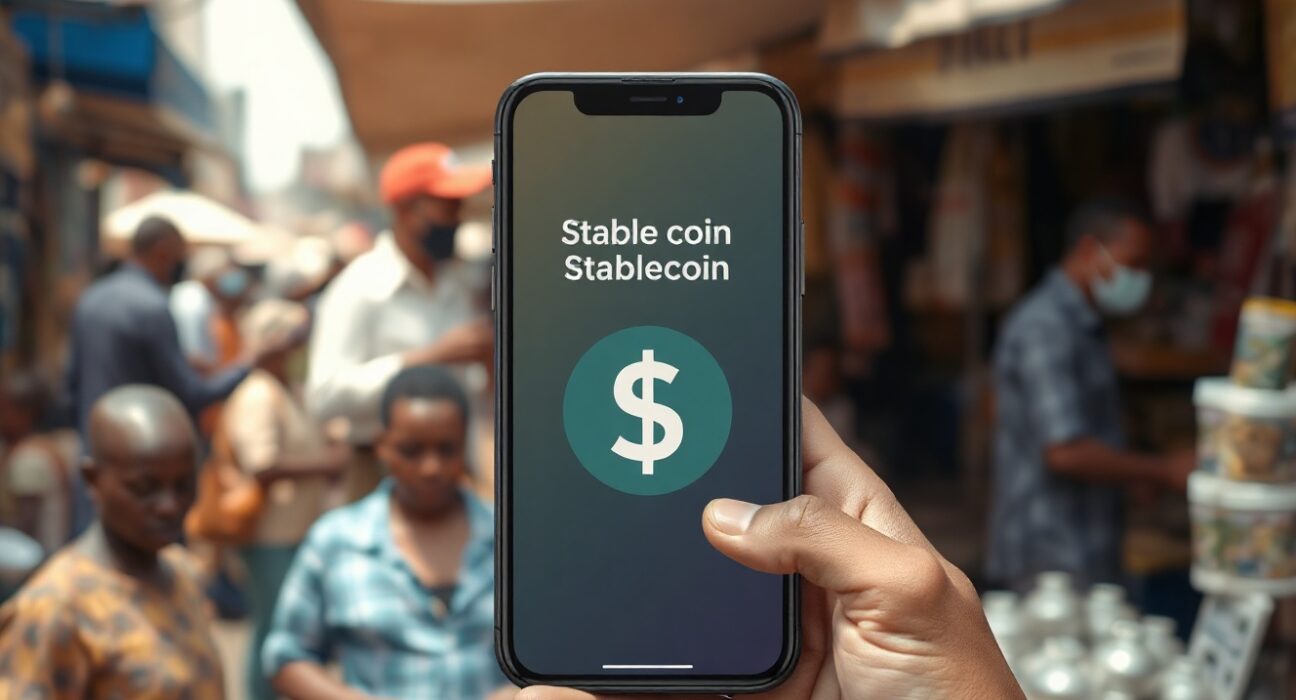
The International Monetary Fund (IMF) has raised concerns that Nigeria’s rapid adoption of dollar-pegged stablecoins is testing the limits of the country’s monetary and regulatory frameworks, according to a report by The Block. In its latest assessment, the IMF noted that Nigerian households and small businesses are increasingly turning to stablecoins for remittances and international payments, driven by a sharp decline in the local currency, the Naira, persistent high inflation, and limited access to foreign exchange.
Why Stablecoins Are Gaining Traction in Nigeria
Nigeria has one of the highest cryptocurrency adoption rates globally, with stablecoins—digital tokens pegged to the U.S. dollar—becoming a preferred tool for preserving value and conducting cross-border transactions. The IMF’s report highlights that this trend is not merely speculative but reflects a pragmatic response to economic pressures. Since 2023, the Naira has lost significant value against the dollar, eroding purchasing power and savings. Inflation, which has remained in double digits, further compounds the problem, making dollar-denominated assets attractive as a store of value.
The fund warned that widespread use of dollar-based stablecoins could weaken demand for the Naira, potentially undermining the effectiveness of monetary policy. If a significant portion of domestic transactions shifts to stablecoins, the central bank’s ability to control money supply, influence interest rates, and manage inflation could be severely constrained.
Regulatory Challenges and Policy Implications
Nigeria’s central bank has historically taken a cautious stance toward cryptocurrencies, including a 2021 directive that barred banks from facilitating crypto transactions. However, peer-to-peer trading and decentralized platforms have allowed the market to thrive. The IMF’s report suggests that the current regulatory framework is ill-equipped to handle the scale and speed of stablecoin adoption, creating risks for financial stability and consumer protection.
What This Means for the Broader Market
The situation in Nigeria is not isolated. Other emerging economies facing currency depreciation and capital controls are also seeing increased stablecoin usage. The IMF’s analysis underscores a growing tension between decentralized digital currencies and traditional monetary systems. For Nigerian policymakers, the challenge is twofold: they must address the root causes of currency instability while developing a regulatory environment that can accommodate innovation without compromising monetary sovereignty.
Conclusion
The IMF’s warning serves as a critical reminder that stablecoins are no longer a niche phenomenon but a force with real implications for national monetary policy. For Nigeria, the path forward will require a delicate balance between embracing financial innovation and safeguarding economic stability. The coming months will be telling as regulators and market participants navigate this evolving landscape.
FAQs
Q1: Why are Nigerians using stablecoins instead of the Naira?
High inflation and the Naira’s rapid depreciation have eroded trust in the local currency. Dollar-pegged stablecoins offer a more stable store of value and are widely used for remittances and international payments, where access to traditional foreign exchange is limited.
Q2: How could stablecoins undermine Nigeria’s monetary policy?
If a large portion of transactions shifts to stablecoins, the central bank loses control over money supply and interest rate transmission. This reduces the effectiveness of tools used to manage inflation and stabilize the economy.
Q3: Is Nigeria’s central bank planning to regulate stablecoins?
While the central bank has maintained a restrictive stance on crypto, the IMF report may pressure regulators to develop a clearer framework. Some analysts expect a move toward licensing and oversight rather than outright prohibition, though no formal policy changes have been announced.
Disclaimer: The information provided is not trading advice, Bitcoinworld.co.in holds no liability for any investments made based on the information provided on this page. We strongly recommend independent research and/or consultation with a qualified professional before making any investment decisions.
